Motorhome routes in the Netherlands
Discover our motorhome routes along the Wadden coast, the Veluwe and Zeeland.
Planning a motorhome trip to the Netherlands? Flat country, short legs and — after Germany and France — the densest network of pitches in Europe. Browse our routes or build your own with the AI route planner. Read more ↓
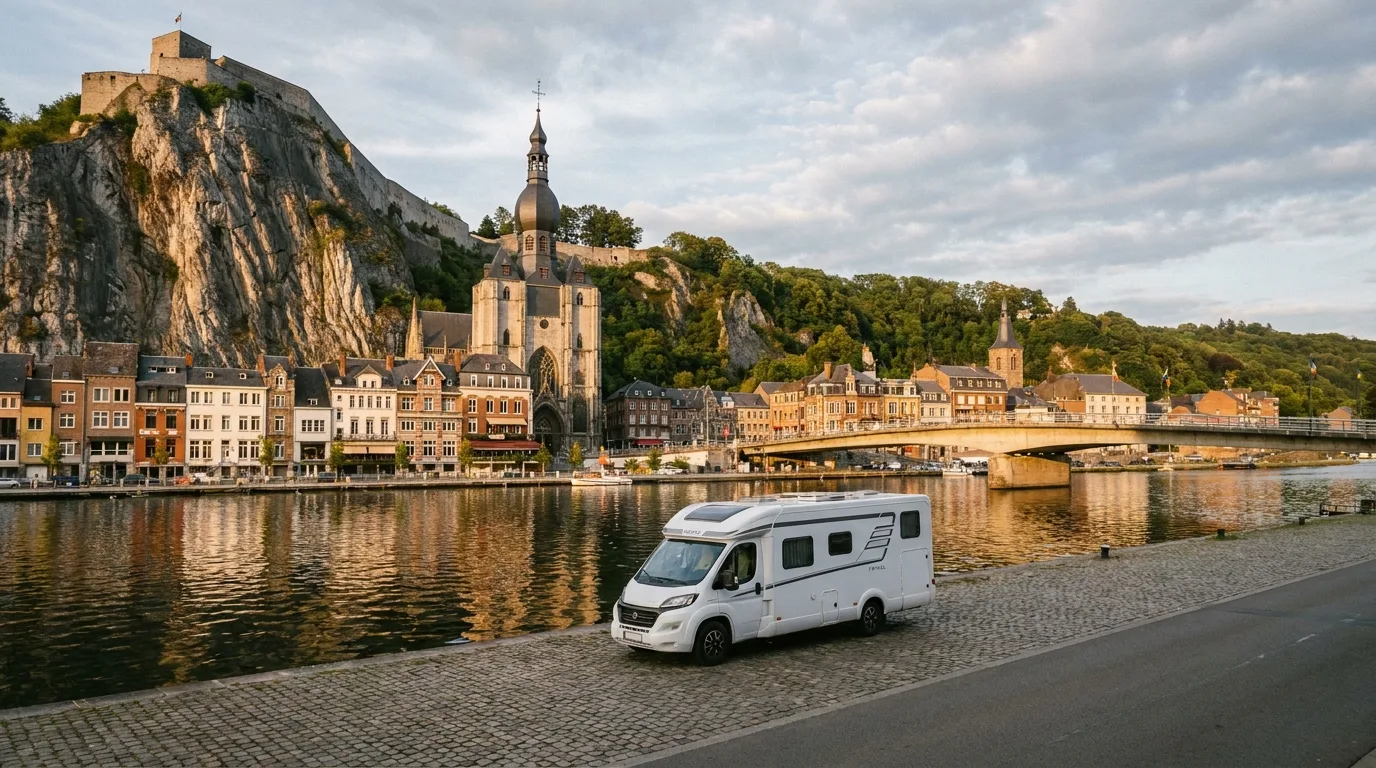
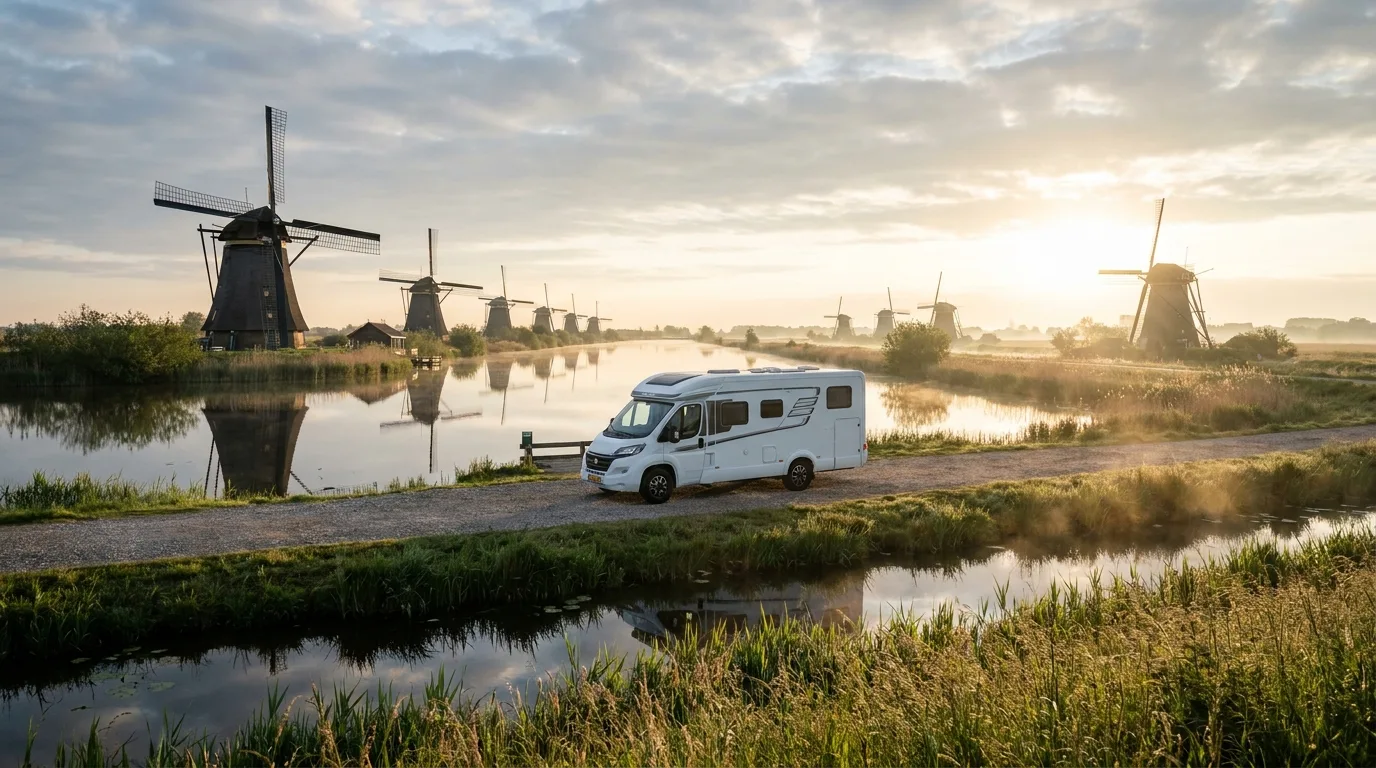
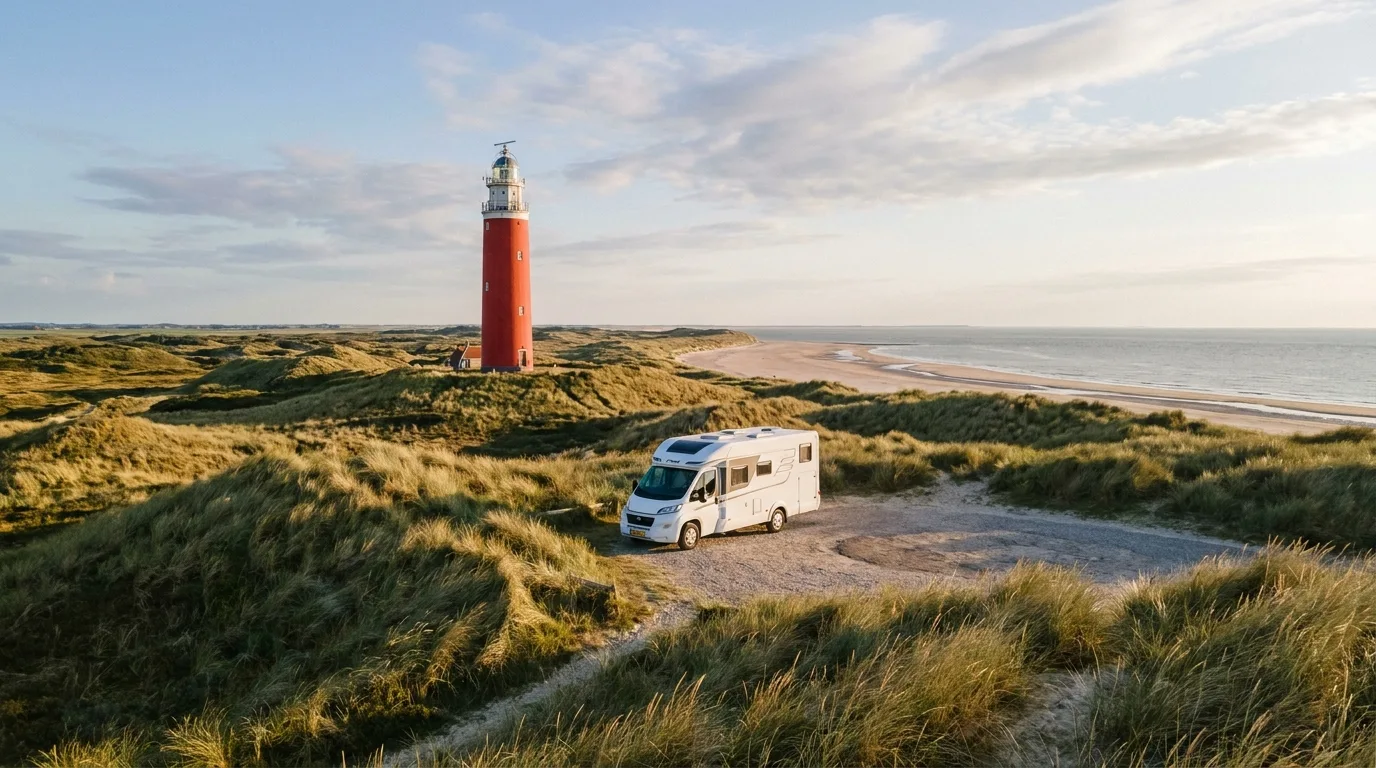
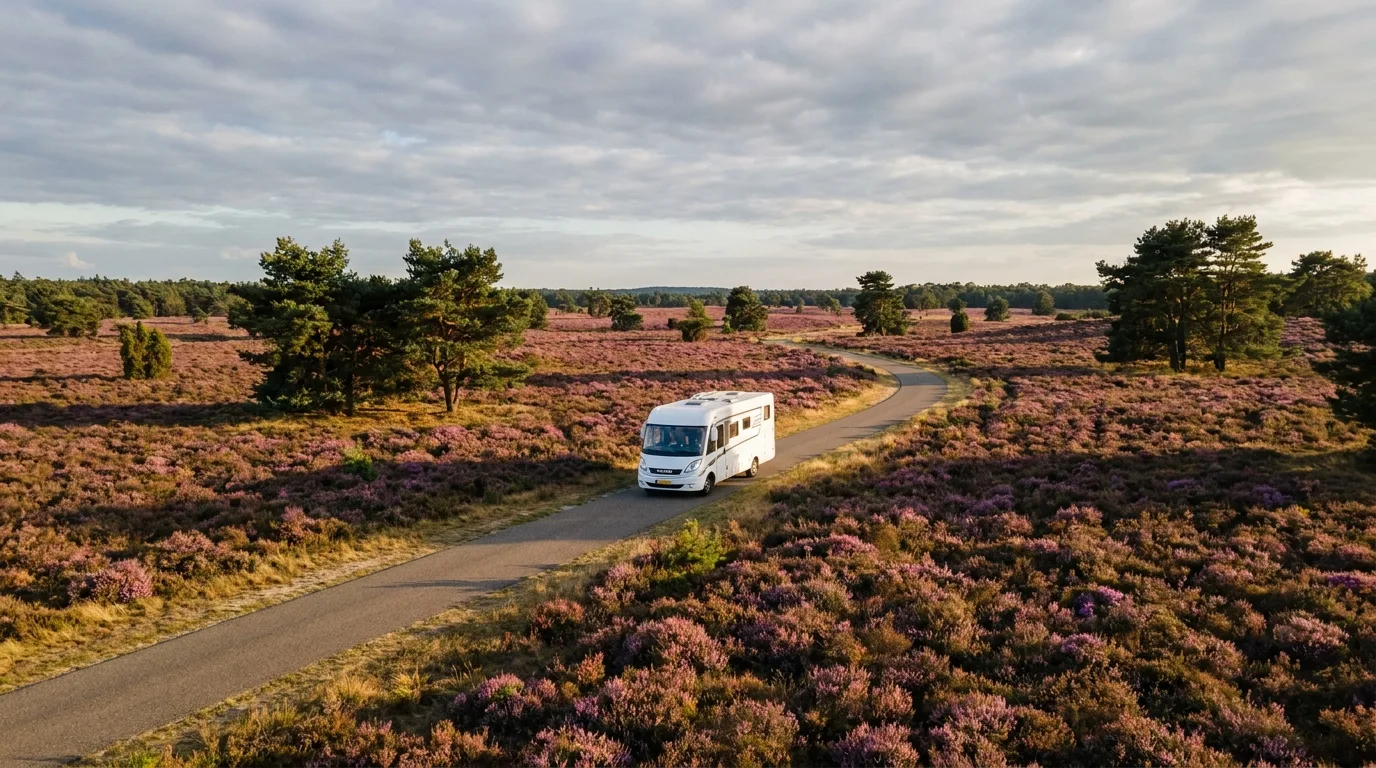
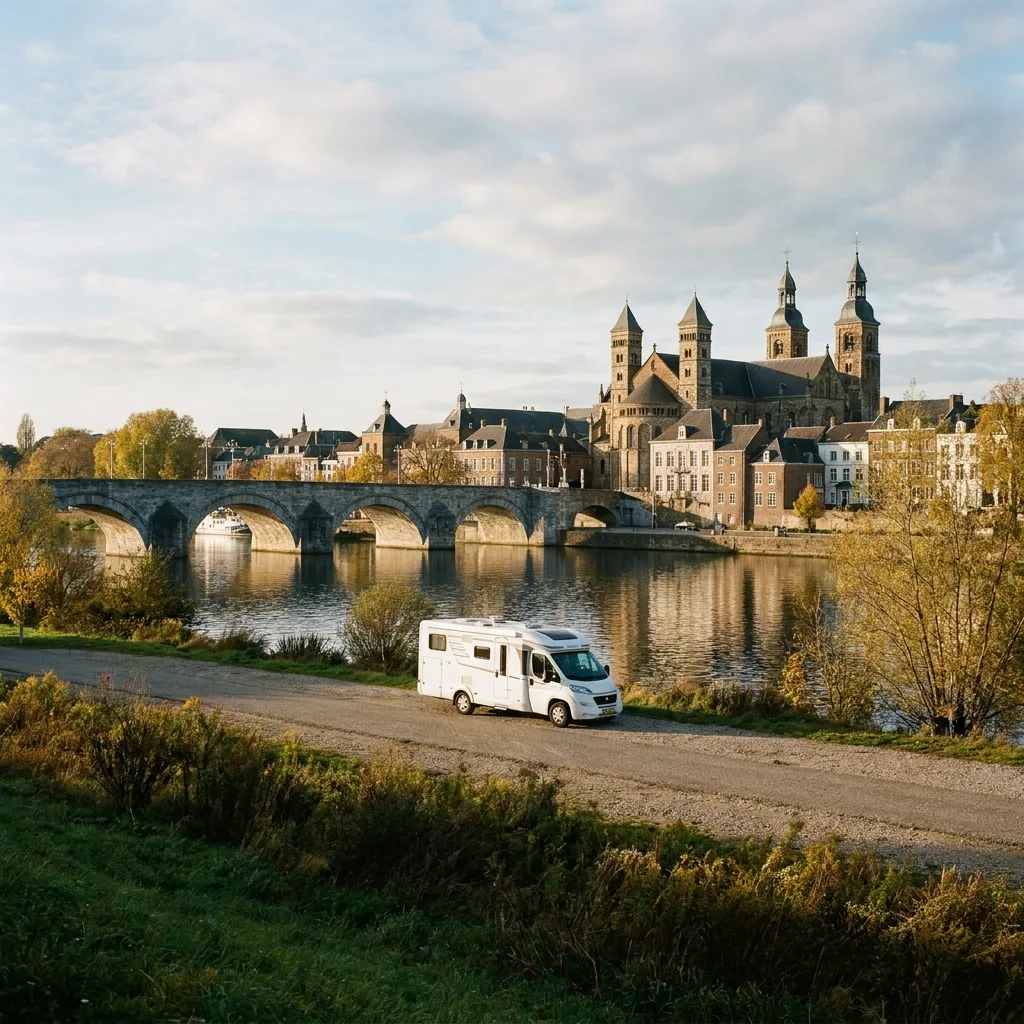
Motorhome trips in the Netherlands: short legs, lots of water
The Netherlands is flat, the legs are short and after Germany and France it has the densest network of motorhome pitches in Europe. You never have to drive far to find a place for the night. Build your own trip with the AI route planner.
Camproads covers 60 destinations in the Netherlands and maps 694 pitches and campsites, across 4 worked-out routes.
Motorhome routes in the Netherlands
This route is fully customisable.
This route is fully customisable.
This route is fully customisable.
This route is fully customisable.
Overnight stays and parking
Sleeping on the public road is regulated per municipality and prohibited almost everywhere. In addition, parking vehicles longer than 6 metres or higher than 2.40 metres is usually not allowed within built-up areas. Plan your nights at an aire or campsite.
Low-emission zones
Low-emission zones for diesel passenger cars apply in Amsterdam, Utrecht and Arnhem (emission class 5 or better) and in The Hague (class 4 or better). The zero-emission zones for city logistics cover vans and trucks and do not affect a motorhome registered as M1.
Exploring the cities
Historic city centres are best explored on foot or by bike from the edge. Park the motorhome at a pitch or park-and-ride on the outskirts and continue from there — it is quicker, cheaper and avoids height restrictions.
Best time to travel
The best months are May, June and September. The bulb fields flower from mid-April to early May.
Costs
- Pitch: 20 to 30 euros per night.
- Tolls and vignette: no vignette and no motorway toll.
Frequently asked questions
Overnight rules
The Netherlands has no national rule on sleeping in a motorhome: every municipality decides for itself in its local by-law, and in practice nearly all of them forbid it. The sharpest article is not the camping ban but the parking rule for large vehicles: inside built-up areas you usually may not park a vehicle longer than 6 metres or higher than 2.40 metres, which covers virtually every motorhome. On top of that, a recreational vehicle may often stand on a designated road for no more than three consecutive days — that is not a right to sleep there for three nights. Overstaying costs 130 euros plus administrative charges.
Where a distinction is drawn, it is between parking and camping. Sleeping inside a closed motorhome is tolerated in some places; an awning, chairs, levelling legs or a barbecue turn it into wild camping. Do not assume a car park at the beach or beside an attraction will be overlooked — those are exactly the places that get checked.
The real answer is the dense network of camperplaatsen. The Netherlands has thousands, from municipal sites to pitches at marinas, farms and campsites. Expect 20 to 30 euros a night, with electricity and tourist tax charged separately. Free overnighting of the Swedish or Portuguese kind barely exists here. In July and August book ahead on the coast; motorhome aires are small and rarely take reservations, so arrive early.
Watch the milieuzone, not the zero-emission zone. The zero-emission zones introduced in nineteen municipalities from 2025 apply to vans and lorries and do not affect a motorhome registered as an M1 passenger vehicle. The much older low-emission zone for diesel cars does affect you: Amsterdam, Utrecht and Arnhem require at least Euro 5, The Hague at least Euro 4. Rotterdam, Delft and Maastricht have no low-emission zone for cars at all. Petrol, LPG and electric vehicles may enter everywhere. Your emission class is printed on your registration document.
Beyond that the Netherlands is straightforward: no vignette and no motorway tolls. The Westerscheldetunnel has been free since the end of 2024 for vehicles under 3 metres high, the Kiltunnel near Dordrecht costs 5 euros above 2.30 metres, and the Blankenburg link near Rotterdam charges per journey. During the day almost every motorway is limited to 100 km/h. Do not drive a motorhome into the historic city centres: the canal streets are narrow, cyclists are everywhere and car parks are too low at 1.90 to 2.30 metres. Park on the edge and take a tram, bus or bicycle. May, June and September are the most pleasant months; the tulips flower from roughly mid-April to early May.
Checked on August 22, 2026
All destinations
Scandinavia
Iceland
British Isles
France & Corsica
Alps & Germany
Spain & Portugal
Italy & its islands
Adriatic coast
Poland & the Baltics
Netherlands & Belgium
Ready for your adventure?
Choose a ready-made route or create your own trip with our AI generator
Create your own routeOr rent your motorhome directly