Take this trip by motorhome
Save €400–€800 on average vs. a travel agency
Duration
x daysDistance
0 km
stops
0
Choose a date and duration that fits your preferences
About this route
Highlights
- ✦Explore the Casa-Museu Salvador Dalí in the fishing village of Cadaqués
- ✦Admire the architecture of the Sagrada Família in Barcelona
- ✦Visit the Abadía de Montserrat, high in the rugged mountain range
- ✦Wander through the Mercado Central and the Catedral de Valencia
- ✦Drive past the imposing Peñón de Ifach in Calpe
- ✦Discover the spectacularly located Castell de Guadalest
- ✦Enjoy the unspoiled beaches of Playa de Genoveses in Cabo de Gata
The route
Stop 1
Cabo de Gata

Stop 2
Cap de Creus
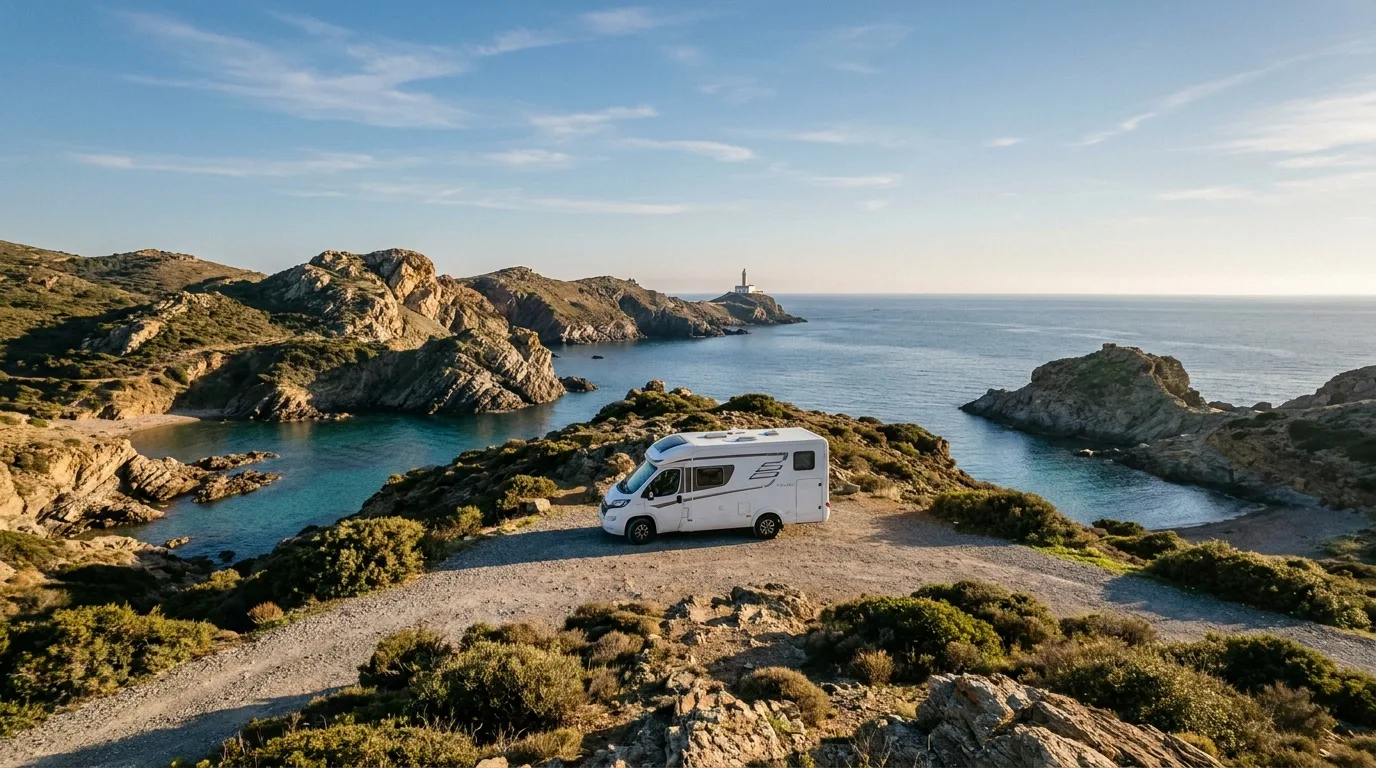
The rugged Cap de Creus peninsula forms the easternmost point of the Spanish mainland. Here, the foothills of the Pyrenees meet the Mediterranean Sea in a landscape of wind- and salt-eroded rock formations. The iconic Far de Creus lighthouse marks the rocky coastline and offers sweeping views over the deep blue bays. Hikers explore the rugged paths of Tudela-Paratge, where the natural sculptures once served as inspiration for Salvador Dalí. coves like Cala Culip invite visitors to a refreshing swim in the clear water between the cliffs. The constant presence of the Tramuntana wind lends the surroundings a wild and untamed character. The contrast between the dark slate and the whitecaps of the sea creates a unique color palette. A visit to this natural park offers an intense experience of the elements on the Costa Brava.

Stop 3
Girona
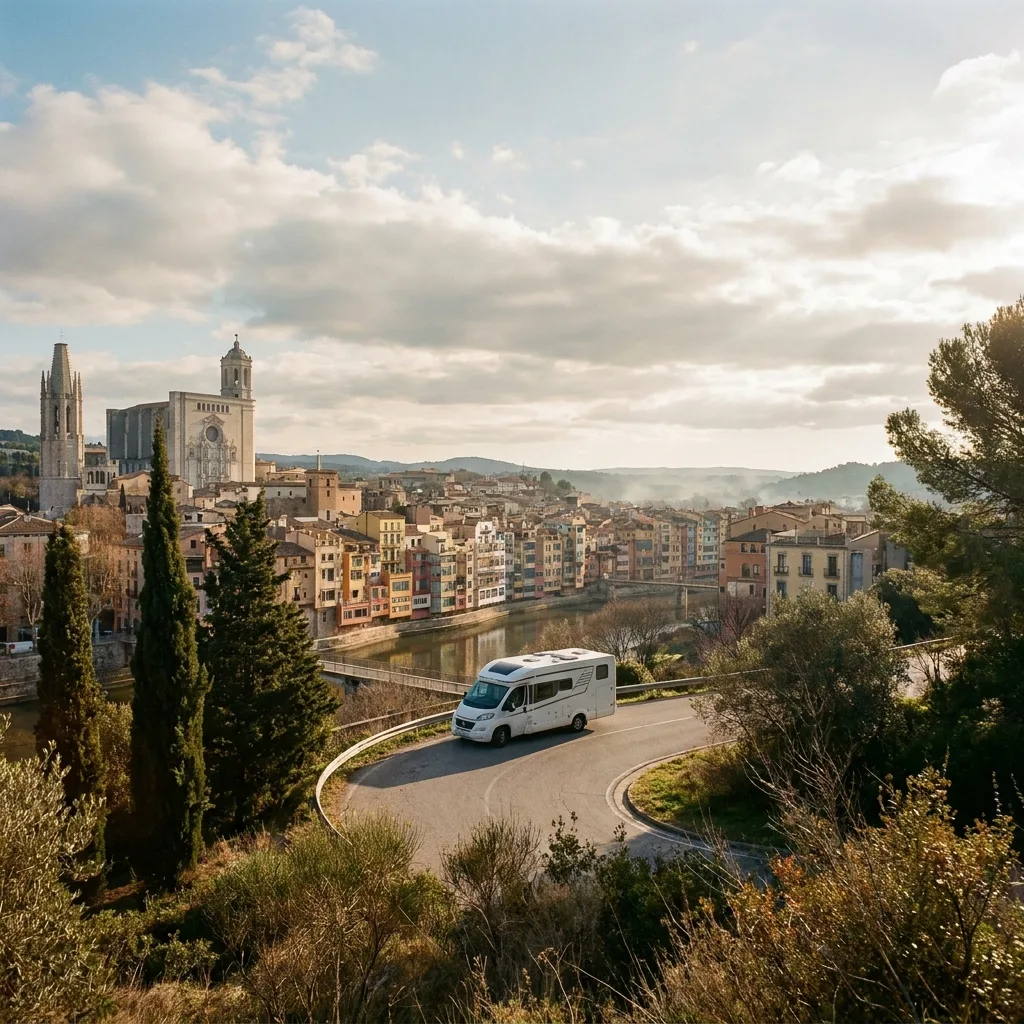
Girona is beautifully situated at the confluence of four rivers and offers a labyrinth of medieval streets. The colorful Cases de l'Onyar reflect in the water, forming an iconic cityscape as you walk across the bridges. In the heart of the city, the imposing Girona Cathedral towers above everything with its wide Gothic nave. The well-preserved Jewish Quarter invites you to wander for hours through narrow alleys and courtyards. From the old city walls, walkers can survey the entire city, enjoying panoramic views over the rooftops and nearby mountains. The city exudes an authentic Catalan atmosphere that feels less hectic than the nearby coastal cities. Gastronomy plays a major role here, with numerous local markets and high-quality dining establishments in the historic core. It is a place where history and modern life seamlessly intertwine.

Stop 4
Tossa de Mar
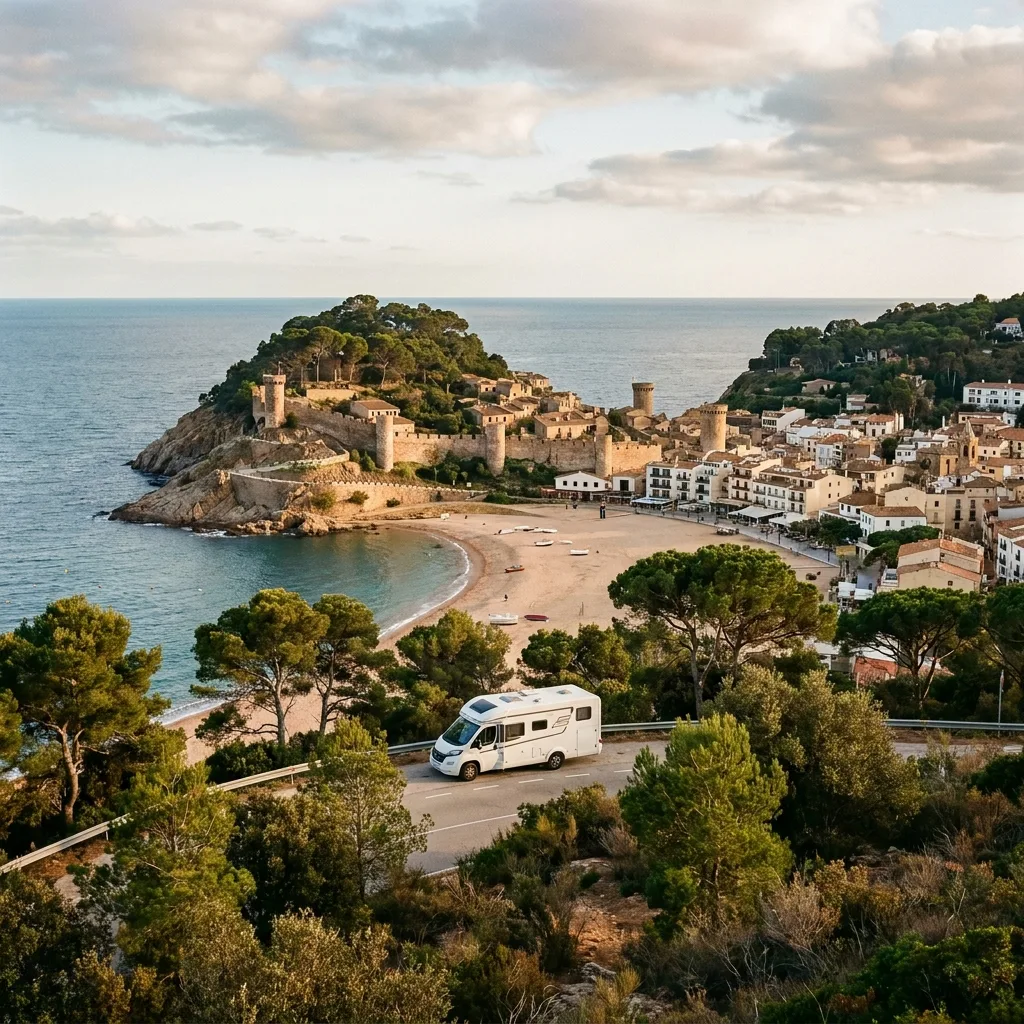
Tossa de Mar, situated on the rugged Costa Brava coastline, stands out for its medieval ramparts, which directly adjoin the sea. The historic Vila Vella quarter is a labyrinth of narrow alleyways and stone houses nestled within the well-preserved town walls. From the watchtowers of Castell de Tossa, you have a panoramic view of the bay and the surrounding forested hills. Directly at the foot of these fortifications lies Platja Gran, where the blue Mediterranean Sea meets the coarse sand. Hikers can follow the Cami de Ronda for spectacular trails along cliffs and coves in the vicinity of the village. In the evenings, the illumination of the old town walls creates a characteristic silhouette against the dark coastline. The combination of maritime history and natural beauty makes the location a tranquil spot among the busier resorts. Visitors find here a balance between cultural heritage and the relaxed atmosphere of an authentic fishing village.

Stop 5
Barcelona
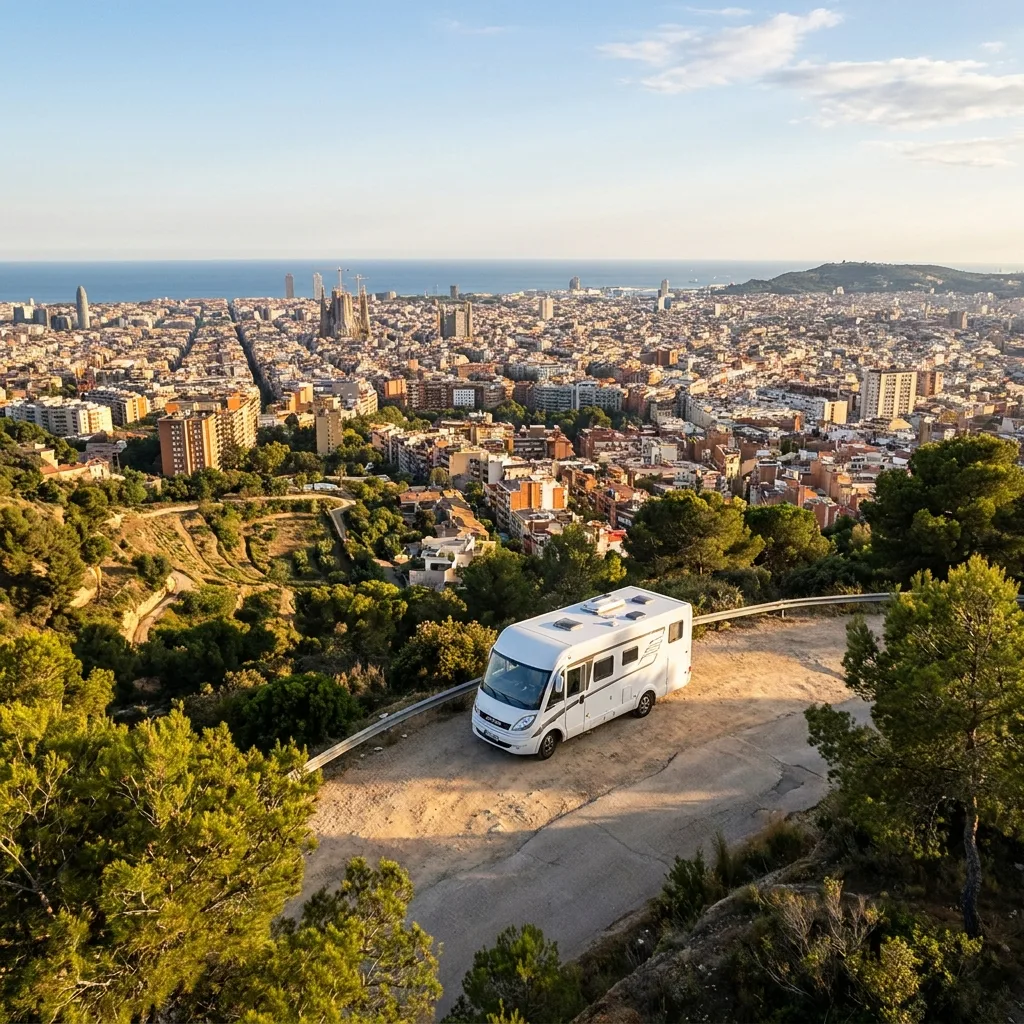
On the shores of the Mediterranean Sea lies Barcelona, a city with a distinctive collection of modernist architecture. The imposing Sagrada Família dominates the skyline with its detailed facades and towering spires. A walk through Park Güell offers panoramic city views amidst colorful mosaics and organic shapes. In the narrow, labyrinthine streets of the Barri Gòtic, you can soak in the atmosphere of its medieval past. Along the expansive city beaches, you can enjoy the sea breeze and a relaxed afternoon by the water. Wide boulevards like Passeig de Gràcia invite you to wander for hours past luxury shop windows and historic facades. Various markets spread throughout the city offer an abundance of local specialties and fresh produce. A visit to this Catalan capital is a versatile experience where culture and relaxation seamlessly blend.

Stop 6
Montserrat
The rugged Montserrat mountain range rises from the Catalan hinterland with its distinctive, rounded peaks. At the heart of this nature park lies the Abadía de Montserrat, which appears to cling to the steep rock faces. Visitors hike here along ancient paths to the Santa Cova, a chapel carved deep into the rocks. For those seeking higher elevations, the climb to Sant Jeroni offers a panoramic view over the region all the way to the Pyrenees. The spiritual atmosphere in the sanctuary is enhanced by the daily choral singing that echoes through the basilica. Among the limestone formations lie numerous hiking trails that lead past secluded hermitages and viewpoints. The combination of religious heritage and its specific geological formations makes this place a recognizable part of the landscape above the coastal plain. A stay on the mountain's slopes offers the opportunity to experience the sunset over the peaks in complete tranquility.

Stop 7
Sitges
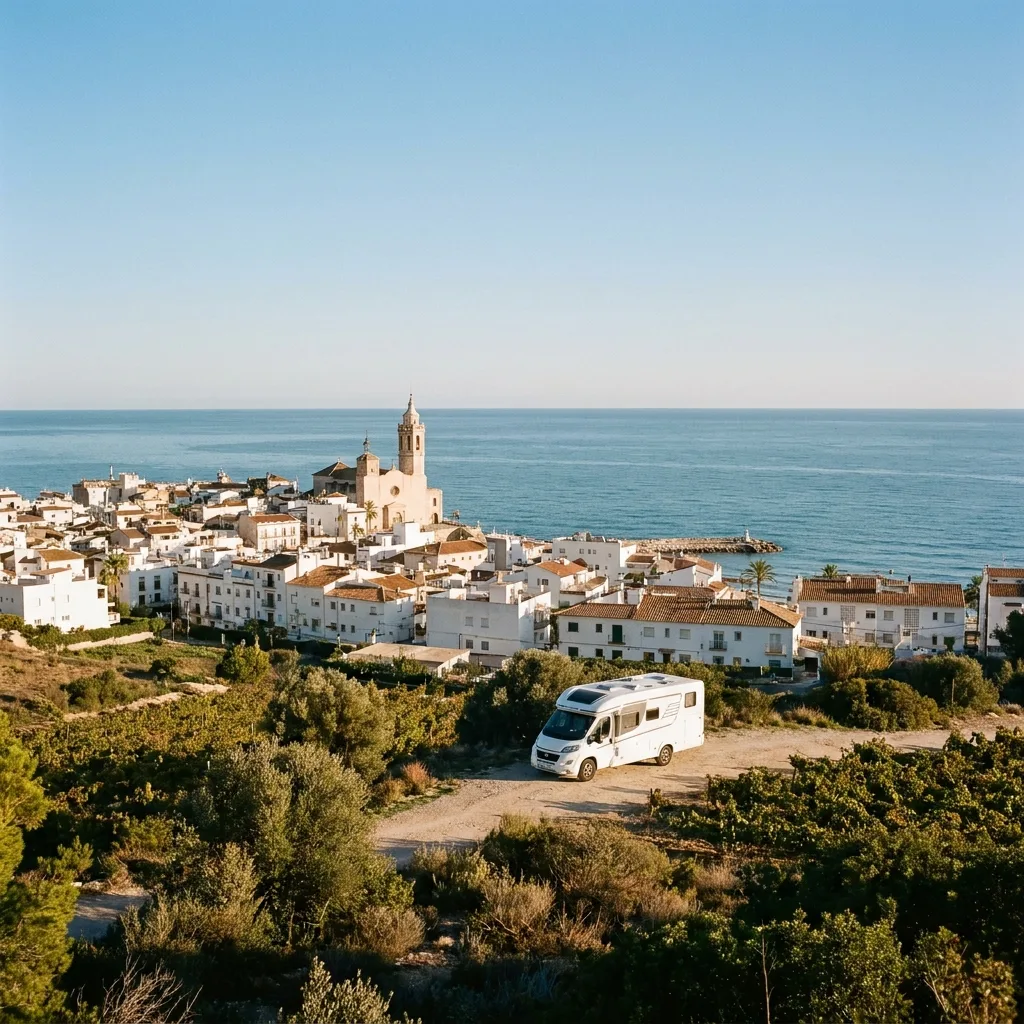
Situated on the Mediterranean Sea, this coastal town offers a characteristic mix of culture and relaxation. The iconic Església Sant Bartomeu dominates the skyline from its prominent position on the boulevard. Along the waterfront, the golden sands of Platja Sant Sebastià invite a stroll with views of the surf. In the narrow streets of the old town, you'll find the Museu Cau Ferrat. The whitewashed facades and blue accents in the historic quarter give the area an undeniable Mediterranean charm. Terraces along the promenade offer the perfect spot to soak up the local atmosphere as the sun slowly sets. It is a destination where historic architecture and a relaxed beach life effortlessly blend.

Stop 8
Tarragona
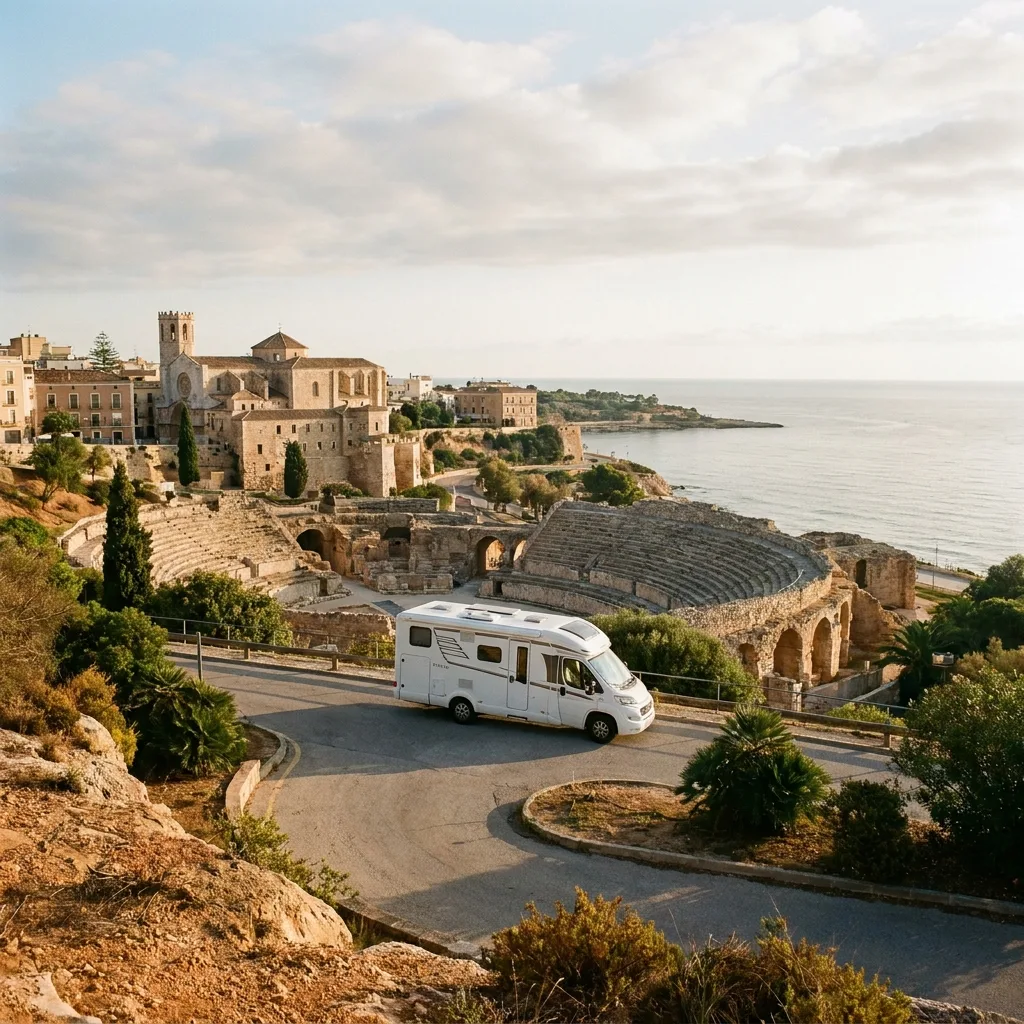
Tarragona offers a unique combination of Roman history and a relaxed Mediterranean atmosphere right on the coast. In the well-preserved Amfiteatre de Tarragona, you overlook the blue sea while exploring the stands of the ancient theatre. The walk along the robust Roman city walls leads you through the historic centre to the impressive Catedral de Tarragona. From the Balcó del Mediterrani, you have a panoramic view of the harbour and the expansive sandy beaches of the Costa Dorada. In the narrow streets of the upper town, you'll find charming squares where the history of the Roman provincial capital is still tangible. Its proximity to the coast makes it possible to combine cultural visits with a stroll along the surf. A visit to the Circ Romà offers a fascinating insight into how chariot races once shaped social life. This seaside city offers a quieter alternative to the large Catalan metropolis further down the coast.

Stop 9
Ebro Delta
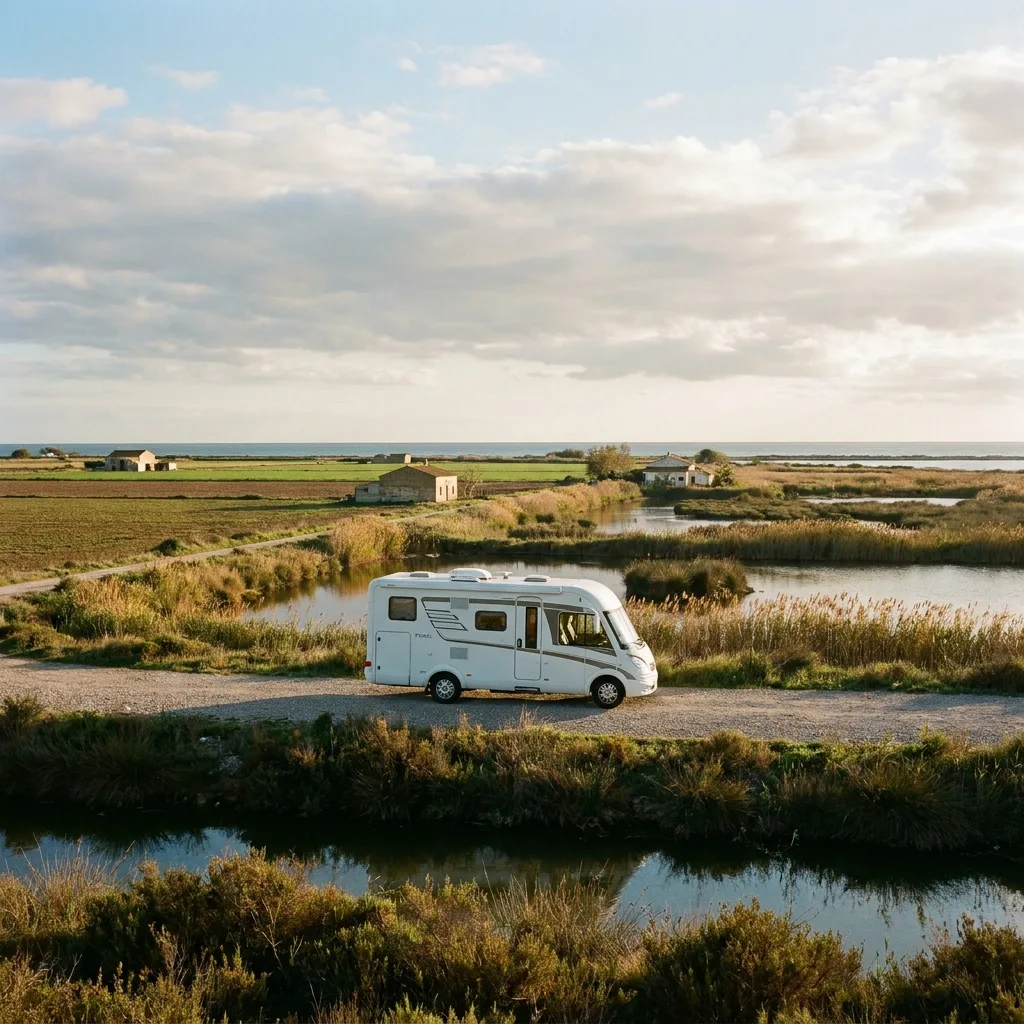
The vast marsh landscape of the Ebro Delta is one of the most important wetlands along the Mediterranean Sea. Endless rice paddies colour the flat landscape green or gold, depending on the season you visit the region. On the sandy paths along the canals, you can cycle for hours while numerous bird species, including pink flamingos, forage for food in the shallow Laguna de l'Encanyissada. The tranquility on the wide sandy beaches such as Platja de l'Eucaliptus offers a stark contrast to the busier resorts in the area. Fishing boats depart daily from small harbours near Isla de Buda to bring fresh seafood ashore. In the early morning, a mysterious mist often hangs over the reed beds and the winding river arms. It is a place where the Ebro River finally meets the sea in a dynamic interplay of fresh and saltwater. Its vastness and tranquility make it a beloved destination for travellers seeking space and authenticity.
Want to actually take this trip?
We put together the complete package for you — motorhome, ferry, campsites — in one personal email.
Stop 10
Morella
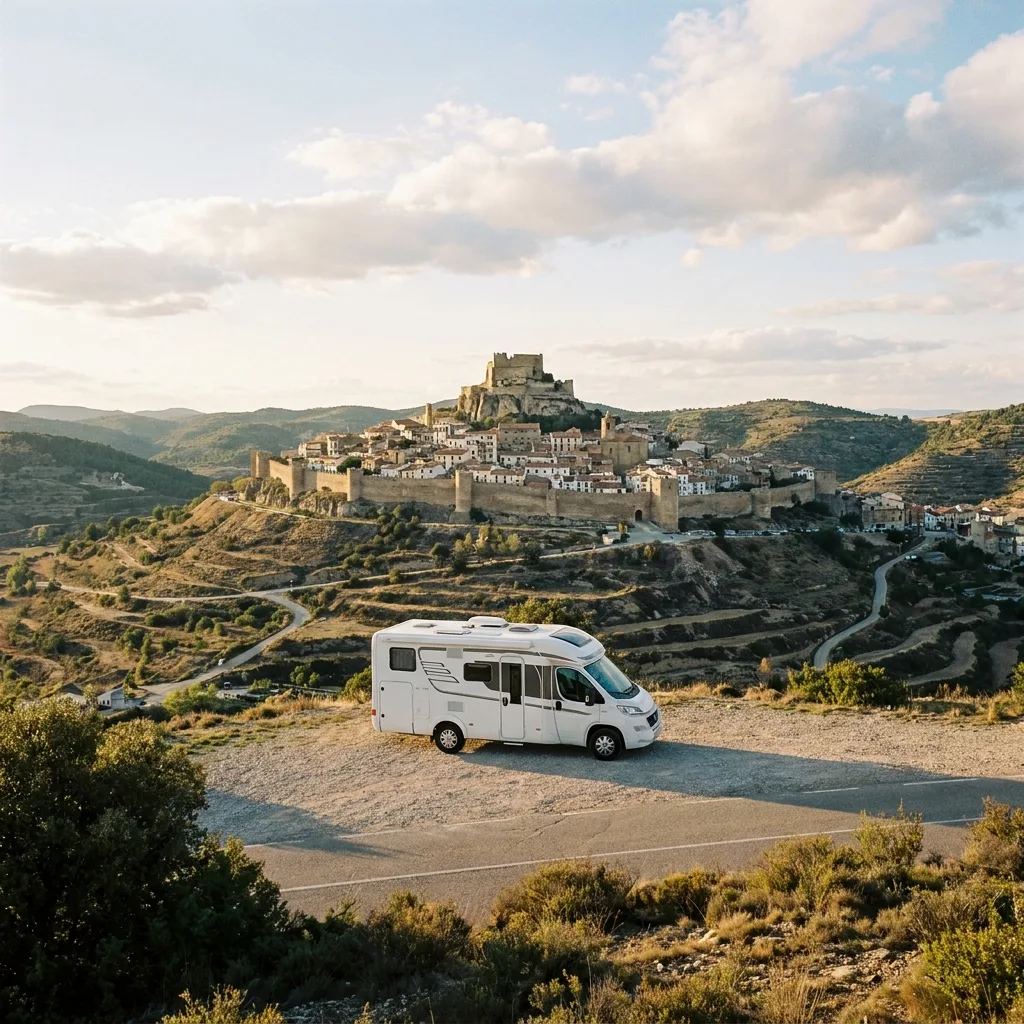
Morella rises impressively above the rugged mountain landscape of the Maestrazgo region. The imposing Murallas de Morella surround the entire city, immediately conveying a sense of timelessness. Narrow, steep streets lead up to the Castillo de Morella, which strategically towers over the houses on a rocky plateau. Within the walls, the Basílica Santa María offers a magnificent example of Gothic architecture with its richly decorated portals. Hikers explore the surrounding hills along ancient paths, offering expansive views over the province of Castellón. Local shops sell artisanal textile products and truffles, characteristic of this high-altitude region. The evening sun casts a warm glow over the sand-colored facades as the silence of the mountains descends.

Stop 11
Valencia
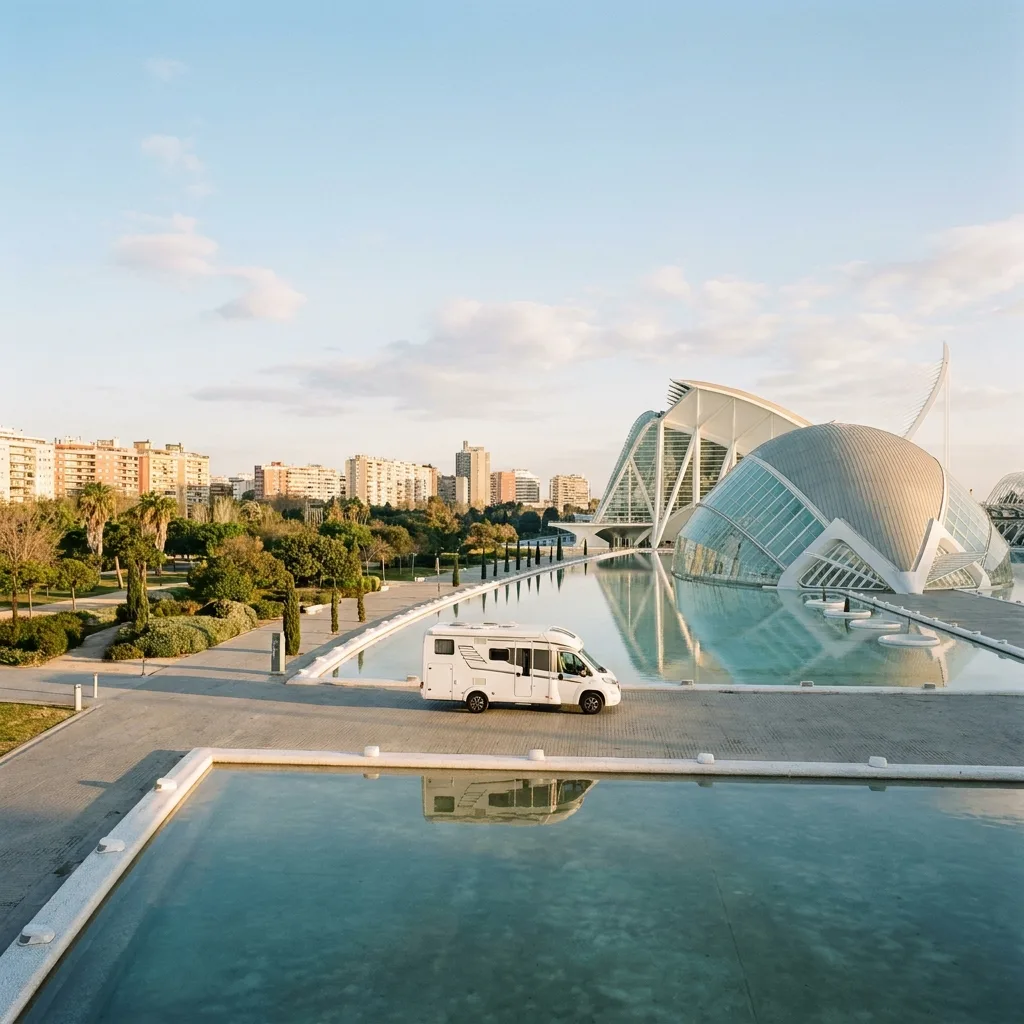
Valencia combines a historic city center with modern architecture directly on the Mediterranean Sea. In the dried-up bed of the Turia River, you can walk through a miles-long park that traverses the city. The futuristic buildings of Arts i Ciències contrast with the Gothic monuments in the old town. A visit to the Mercat Central stimulates the senses with local scents and fresh produce. The wide sandy beaches are a short distance from the city and offer space for relaxation. In the atmospheric neighborhoods, you can experience daily life and local gastronomy. The L'Oceanogràfic complex showcases the diversity of underwater life in various ecosystems.

Stop 12
Altea
Altea is located on the Costa Blanca and is distinguished by its whitewashed houses built against a hill. The heart of the town is formed by the historic old town with its narrow streets and stairs. Here, the iconic church Nuestra Señora Consuelo immediately catches the eye with its characteristic blue domes. Along the coastline, the pebble-rich Playa de Altea stretches out for a walk along the surf. From the Mirador de Cronistas, you have a panoramic view of the Mediterranean Sea and the rock of Calpe. The atmosphere here is calmer and more authentic than in the surrounding resorts with many high-rise buildings. Local craft shops and terraces create a lively dynamic in the old village center. A stay here offers a combination of Mediterranean coastal experience and the charm of a traditional Spanish village.

Stop 13
Cartagena
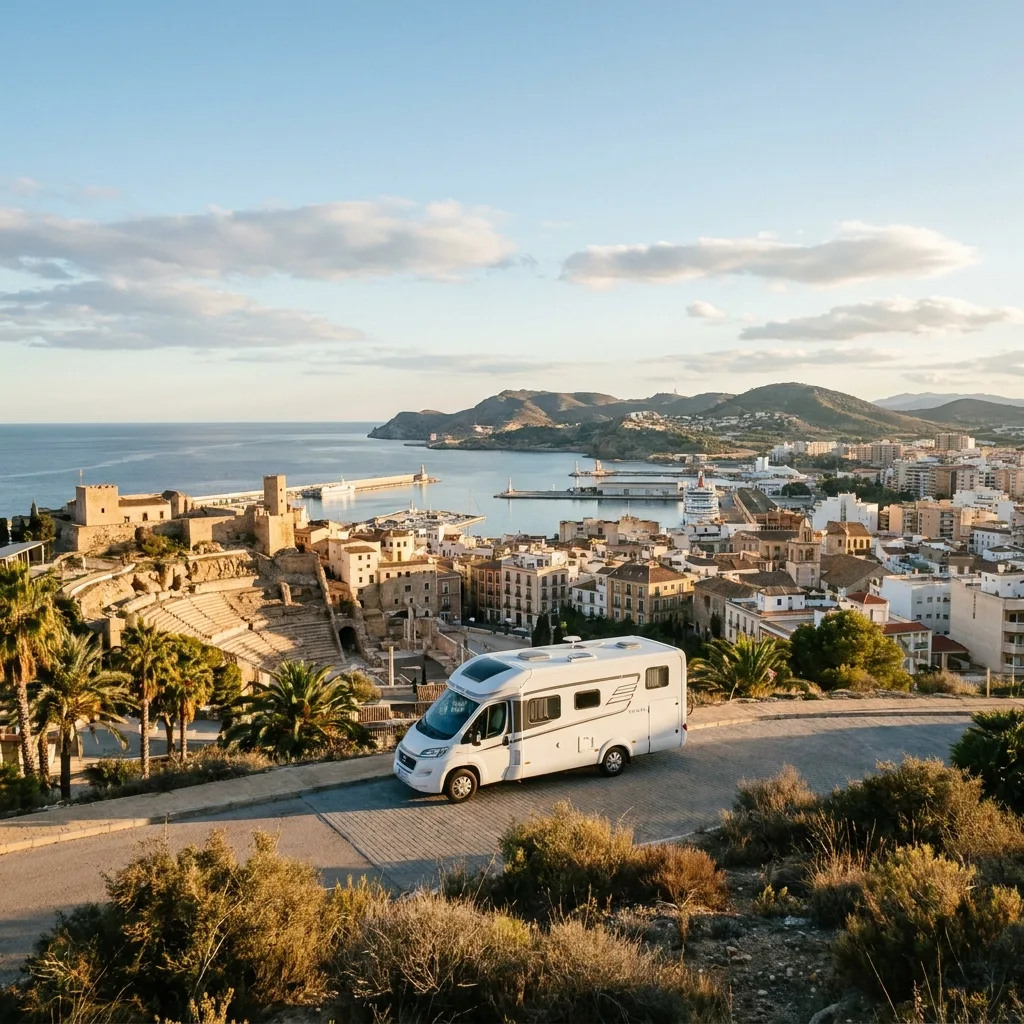
The port city of Cartagena is situated on a deep bay and exudes a rich maritime history. In the heart of the city lies the Roman Theatre, which was not discovered until the end of the last century. From the heights of Castillo Concepción, you have a panoramic view of the harbor and the surrounding hills. The Punic Wall is a reminder of the city's early origins as an important Carthaginian settlement. In the pedestrianized streets of the city center are modernist buildings with richly decorated facades. Along the quay, wide boulevards invite you to stroll past historic warships and modern yachts. This place offers a fascinating mix of ancient ruins and a vibrant, active seaport. The blend of maritime heritage and archaeological wealth lends the city a unique character.

Stop 14
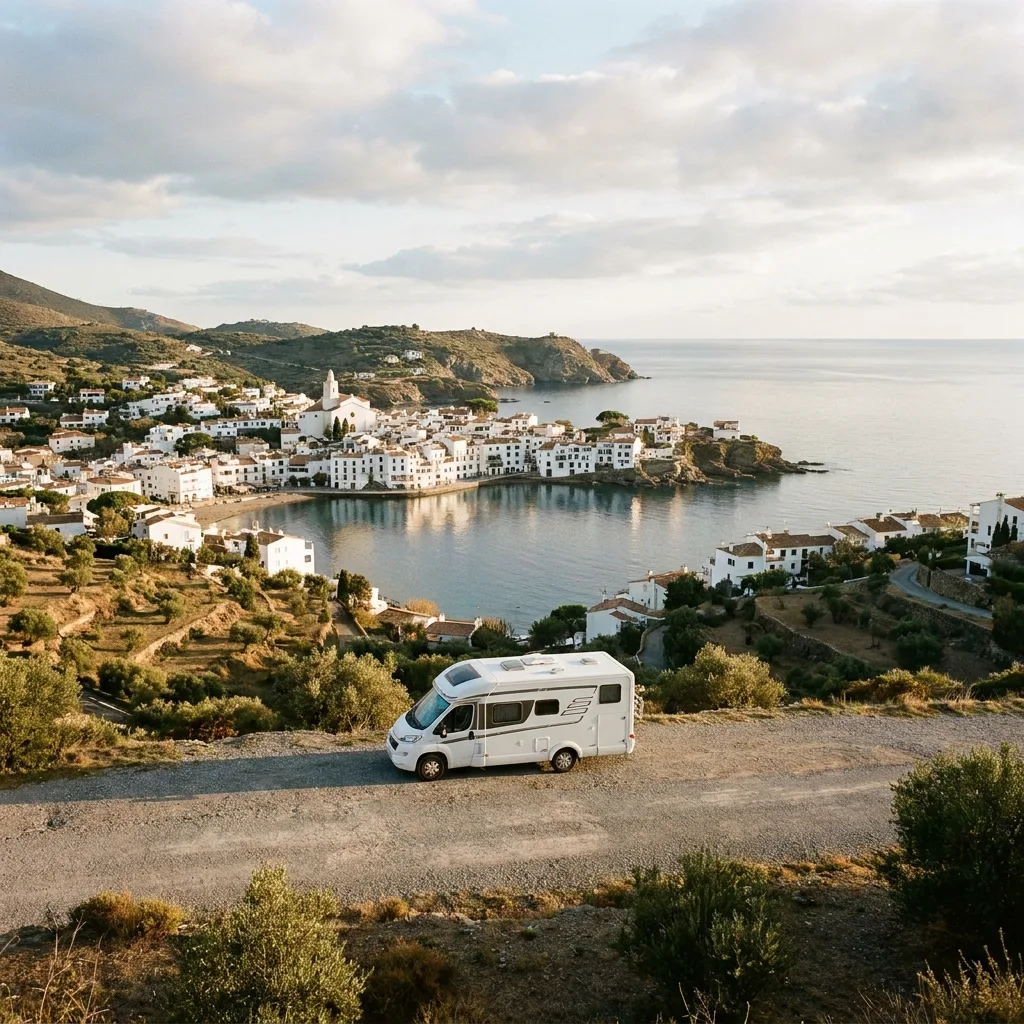
Cadaqués
This secluded fishing village is nestled in a bay on the rugged coast of the Costa Brava. The whitewashed houses and narrow streets with characteristic cobblestones form a picturesque backdrop against the blue Mediterranean Sea. Visitors stroll here along the waterfront to the striking Església Santa Maria, which towers above the village. In the nearby bay of Portlligat, the Casa-Museu Salvador Dalí offers a unique insight into the artist's work. The surrounding rocky coastline invites long walks through an unspoiled Mediterranean landscape. Local galleries and small boutiques adorn the squares in the historic heart. The tranquil atmosphere and the unique light have over the years attracted many painters and writers. The waterfront terrace offers views of the many wooden fishing boats bobbing in the bay.

Stop 15
Guadalest
Spectacularly situated, Guadalest towers high above the valley and offers one of the most photographed panoramic views in the region. Through the rock-hewn entrance gate, the Portal de San José, you reach the historic village center with its whitewashed houses. From the Castell de Guadalest, you look down upon the strikingly turquoise waters of the Embalse de Guadalest. The narrow streets lead to various unique museums and charming squares that reflect the rich history of this mountain village. The surrounding mountains of the Sierra d'Aitana form a rugged backdrop for a nature walk. The village combines a strategic location with an atmosphere typical of inland Spain. A visit to this place offers a welcome contrast to the hustle and bustle of the nearby coastal strip.

Stop 16
Alicante
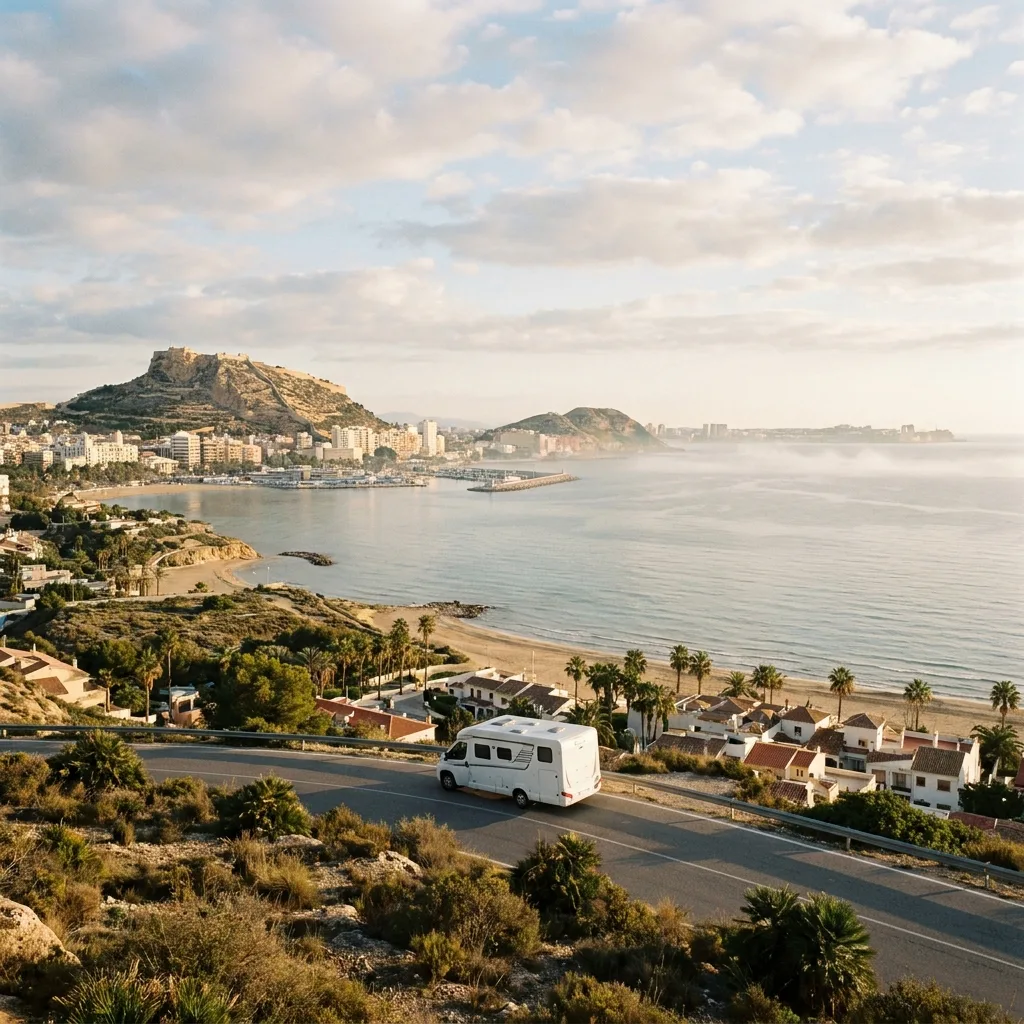
Alicante lies at the foot of the imposing Monte Benacantil, crowned by the historic Castillo de Santa Bárbara. From this fortress, you look out over the marina and the azure Mediterranean Sea. The city is characterised by the Explanada de España, a mosaic-tiled promenade lined with palm trees. In the narrow streets of Barrio Santa Cruz, you'll find whitewashed houses adorned with colourful flowers and tiles. For refreshment, the nearby sandy beach offers direct access to the water from the edge of the city centre. The combination of maritime atmosphere and rich history makes a visit to this regional capital versatile. It is a practical place to visit local markets and experience the Mediterranean coastal lifestyle.

Stop 17
Calpe
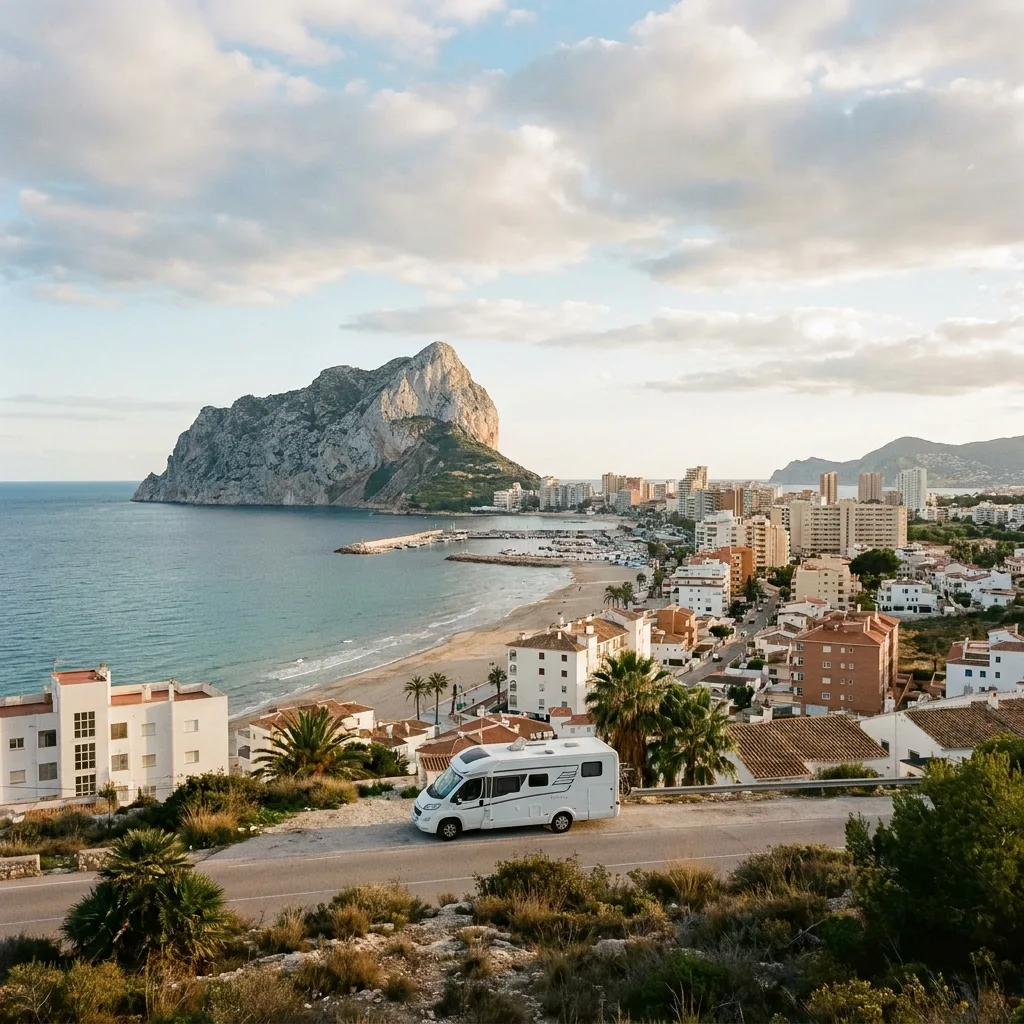
Calpe is dominated by the imposing limestone rock Peñón de Ifach which towers high above the Mediterranean Sea. At the foot of this rock formation lie the salt lakes of Las Salinas, where groups of flamingos are often seen. Hikers can follow the path to the top of the rock for a panoramic view of the coastline. Directly by the sea are the Baños de Reina, the remains of a Roman fish farm carved into the rocks. The wide sandy beaches and the marina form the heart of this lively coastal town. In the narrow streets of the old town, colorful stairs and murals can be found. The combination of rugged nature and historical remains makes a stay here very varied. The mild climate ensures pleasant conditions along the promenade throughout the year.

Stop 18
Calblanque
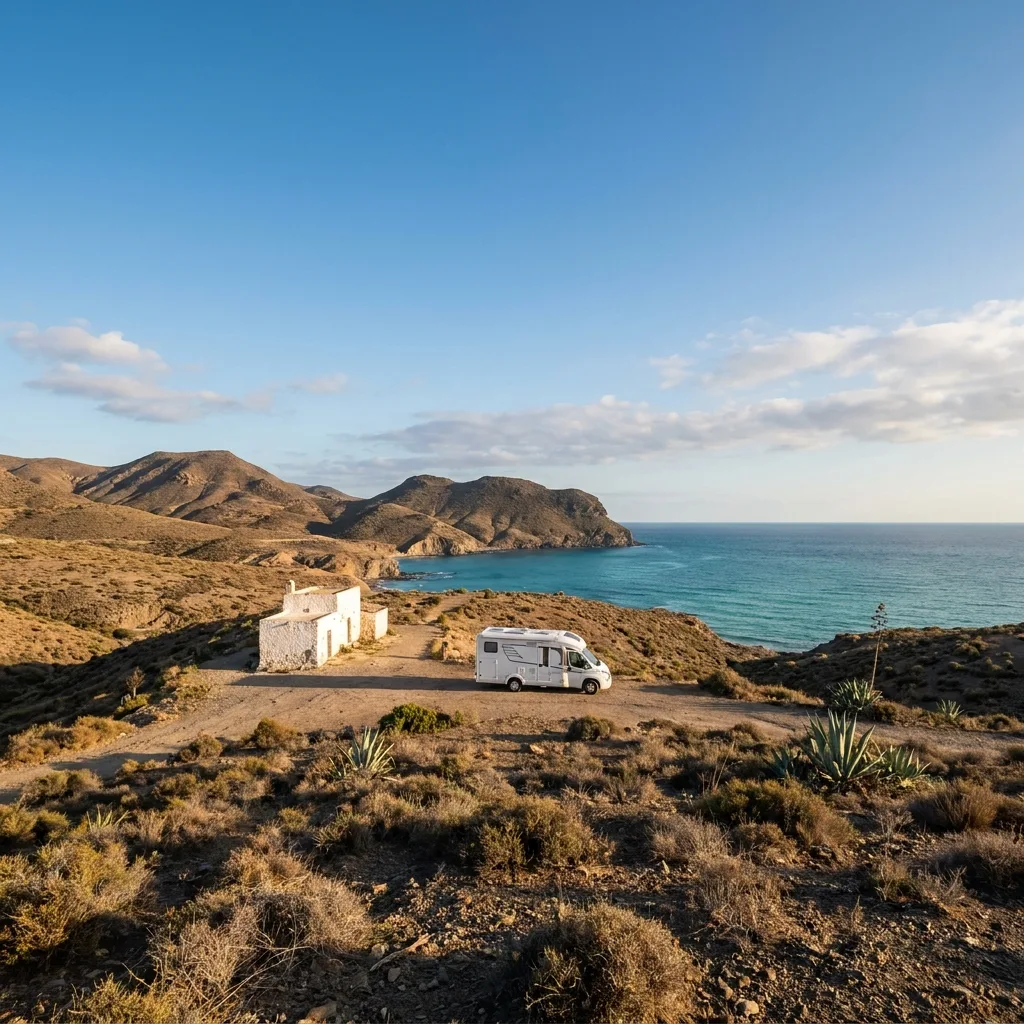
In the southeast of Spain lies the Calblanque Regional Park, an unspoiled coastal area where nature still runs wild. Here, golden sandy beaches are flanked by dark rock formations and fossil dunes that extend far into the landscape. Hikers follow the marked trails towards Peña del Águila for expansive views over the Mediterranean Sea. At the Salinas del Rasall, various bird species can often be observed in the salt pans near the coastline. The absence of large-scale development creates a serene atmosphere that is rare on this side of the Spanish coast. In the sheltered bays, one can swim in clear water, surrounded by dwarf palms and fragrant Mediterranean shrubs. The contrast between the arid mountains and the deep blue sea creates a diverse panorama along the coastline. Access to the beaches is regulated to preserve the fragile ecosystem of this protected nature reserve.
Ready to hit the road?
We'll email you a personal travel proposal within 24 hours — motorhome, route and full cost overview included. Save €400–€800 on average vs. a travel agency.
No packages, no middlemen. Learn how it works
Camproads gave me a lot of inspiration for our campervan trip. The routes are beautiful, with a good balance of nature and city life, and the route generator made planning super easy. It's also really handy that there are so many good camping options at the locations, and that you can easily find the campervan that suits your needs and compare prices. This way, we can plan everything ourselves and book the campervan directly with the rental company. That's much cheaper than an organized trip!
Michiel van de Bunt
February 2026
What a difference from how I used to plan trips. Through Camproads, I put together a complete campervan trip in just a few minutes. It's so easy to use, and you can customize everything to your liking. The ability to choose your travel pace makes it even more enjoyable, especially now that we're traveling with a baby for the first time.
Alieke Zelhorst
February 2026