Take this trip by motorhome
Save €400–€800 on average vs. a travel agency
Duration
x daysDistance
0 km
stops
0
Choose a date and duration that fits your preferences
About this route
Highlights
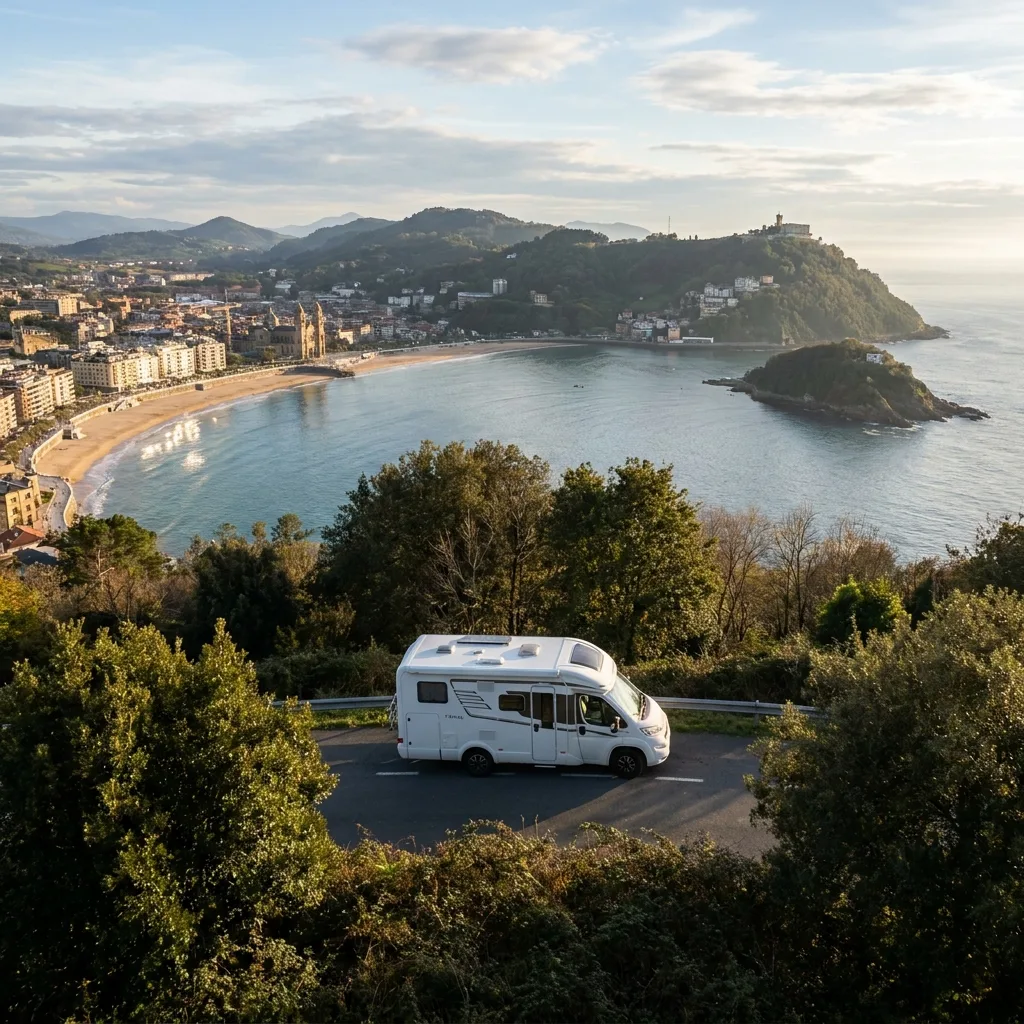
- ✦Walk along La Concha and enjoy the view from Monte Igueldo
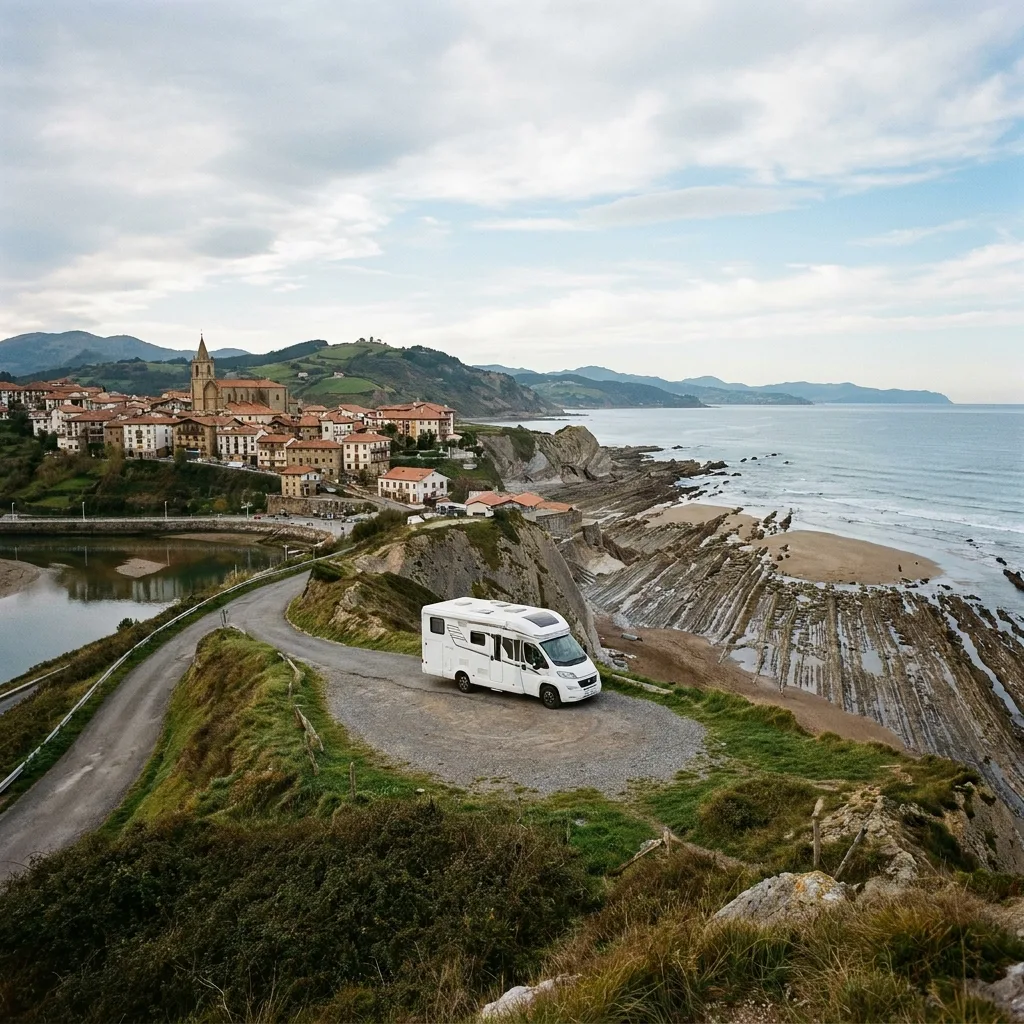
- ✦Admire the unique geological formations of the Flysch de Zumaia
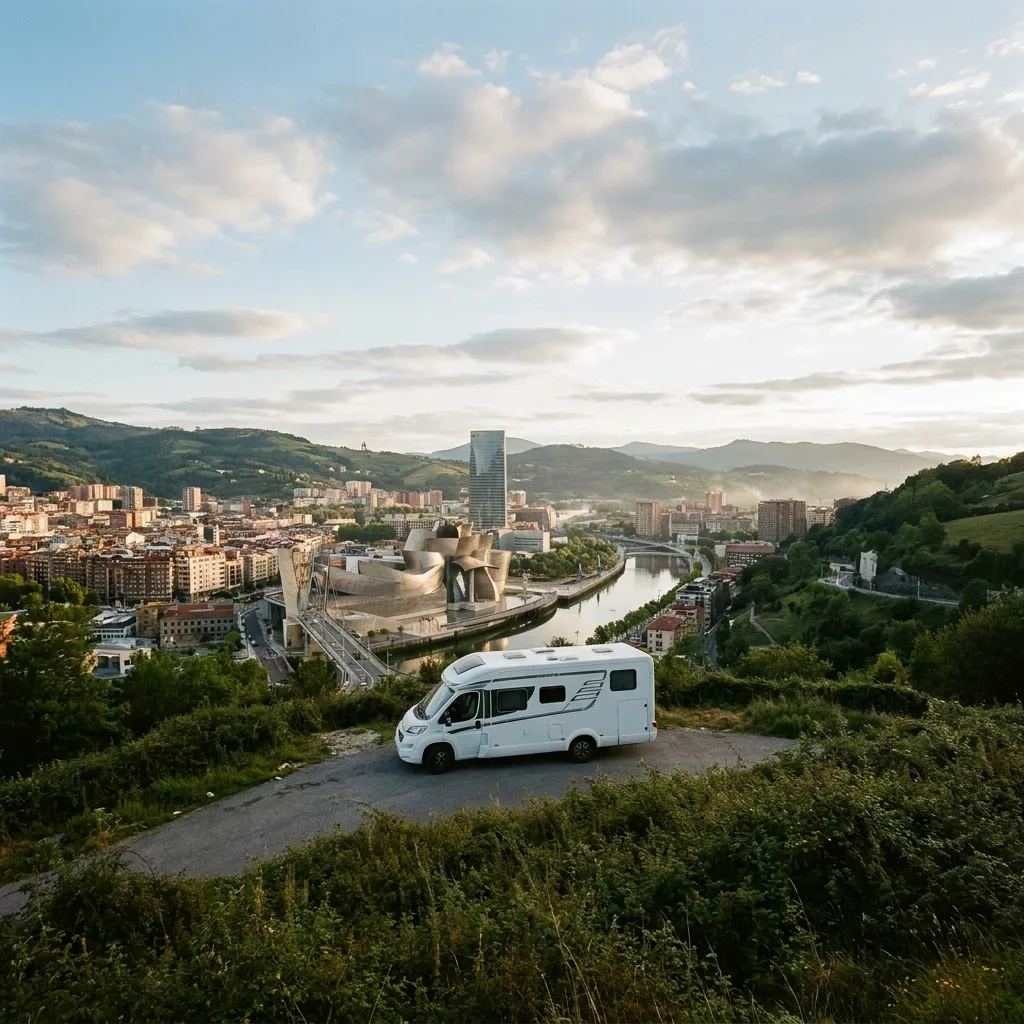
- ✦Explore the modern Guggenheim Museum Bilbao and the historic Casco Viejo
- ✦Drive through the Picos de Europa with views of the Naranjo de Bulnes
- ✦Visit the imposing Catedral de Santiago in Santiago de Compostela
- ✦Experience the rugged landscape of the Costa da Morte and the Faro de Fisterra
The route

Stop 1
Irún
Irún is located directly on the French border and forms an important gateway to the Basque Country. The city stretches along the Bidasoa River, overlooking the nearby Bay of Txingudi. From the top of Monte San Marcial, one can enjoy a sweeping panorama over the surrounding green hills and the coastline. In the city center, the Oiasso Roman Museum showcases archaeological finds from the Roman era. On the border river is the historic Isla de Faisanes, an island that periodically changes national administration. The area offers a practical introduction to Basque culture and architecture immediately after the border crossing. Hikers can connect to various trails that wind through the hilly border region.

Stop 2
Oviedo
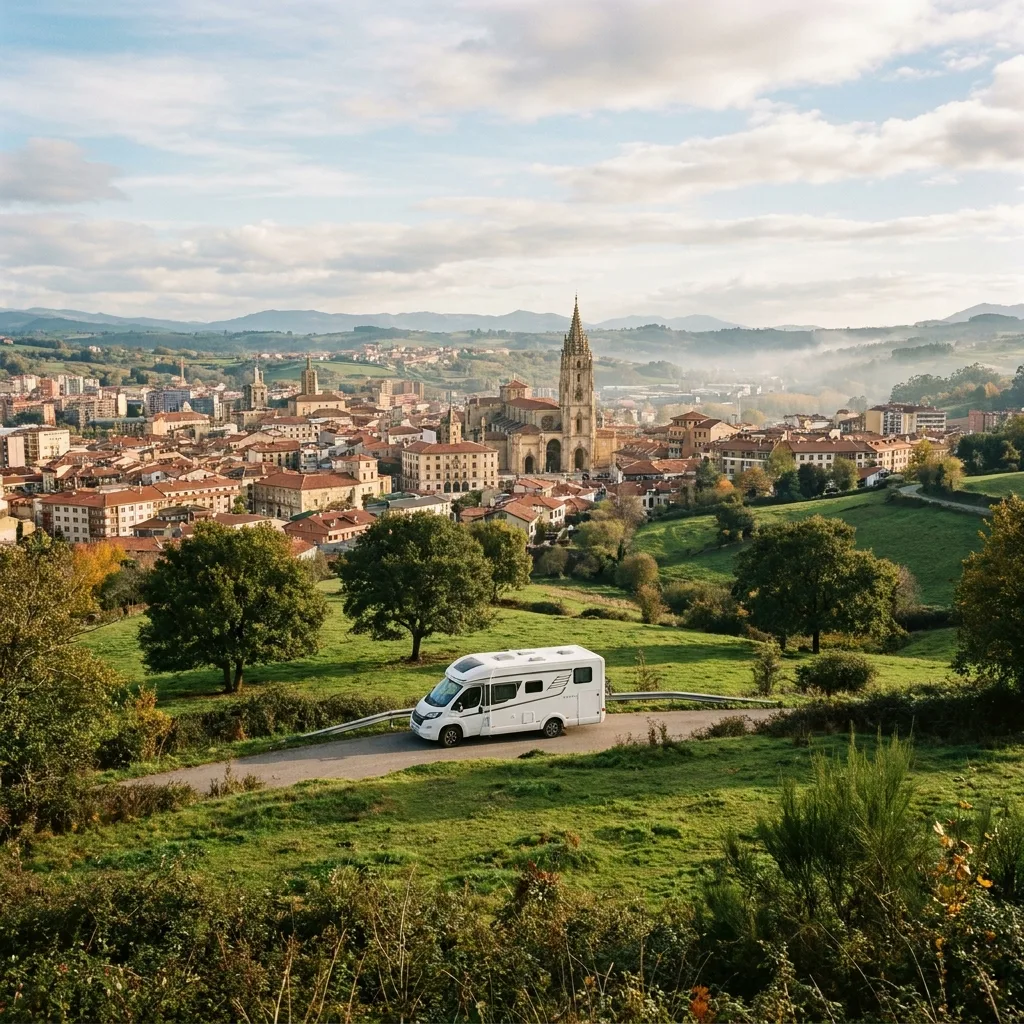
The capital of Asturias is nestled among the green hills and rugged coastline of Northern Spain. In its car-free center, visitors can stroll past stately squares and medieval buildings. The Catedral San Salvador, with its Gothic tower, forms the heart of the historic city center. On the slopes of the nearby Mount Naranco stand unique pre-Romanesque churches such as Santa María Naranco. These architectural monuments offer sweeping views over the surrounding valleys. Local *sidrerías* invite visitors to sample the traditional apple cider, which is served here in an artisanal manner. The combination of elegant architecture and a relaxed atmosphere makes the city a tranquil stop during a journey through the north. A visit to the local markets reveals the rich gastronomic traditions of this mountainous region.

Stop 3
Praia das Catedrais

Stop 4
A Coruña
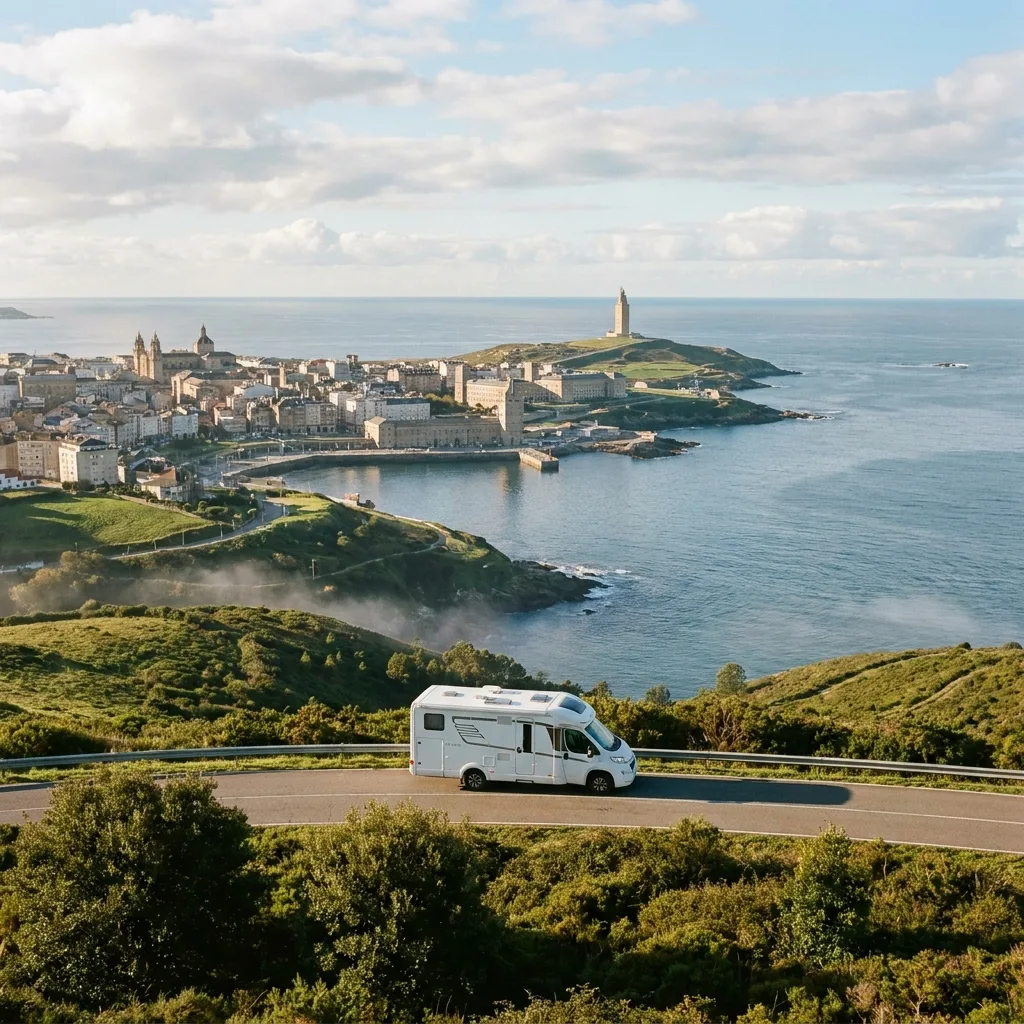
A Coruña is located on a peninsula on the Atlantic coast in northwest Galicia. The city is characterized by the Tower of Hercules, the oldest continuously operating Roman lighthouse in the world. Along the coastline, a kilometers-long Paseo Marítimo stretches out, offering expansive ocean views. In the heart of the old city, Plaza María Pita forms the central point, featuring stately buildings and distinctive glass balconies. These glass facades give the city the nickname "Glass City" and protect the homes from the sea wind. Visitors will find a combination of maritime history and expansive city beaches here, such as Playa de Riazor. Parks like Monte de San Pedro offer a panoramic overview of the urban area and the surrounding bays.

Stop 5
Santiago de Compostela
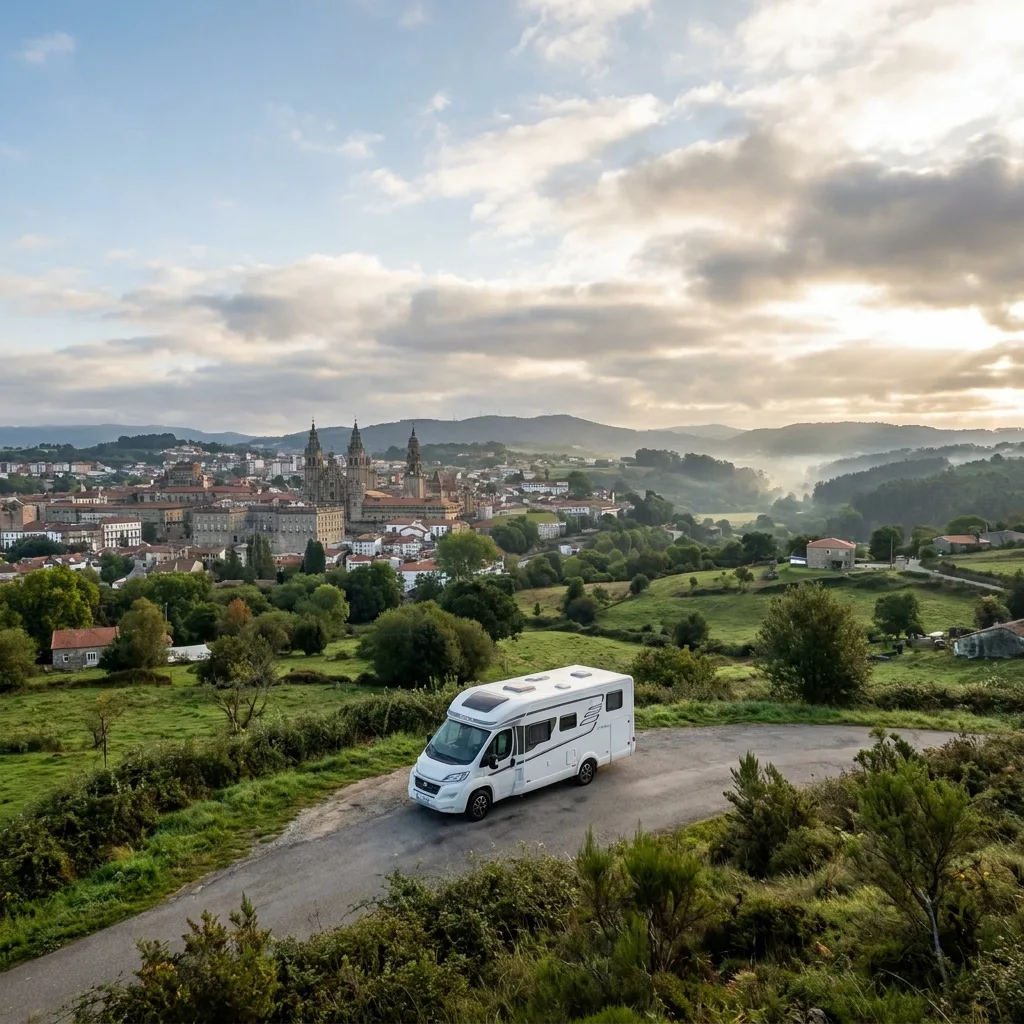
The arrival in this city is marked by the serene atmosphere of pilgrims reaching their final destination on the central square. The imposing Catedral de Santiago dominates the cityscape with its richly decorated facades and historic squares. In the narrow granite streets of the old town, a timeless energy invites strolls past ancient buildings. Local markets offer an abundance of Galician specialties such as fresh seafood and the famous local almond cake. Green parks surrounding the center offer tranquil spots with panoramic views over the rooftops and church spires. Stately monasteries like San Martín Pinario bear witness to the region's rich religious and architectural past. The combination of spiritual heritage and a vibrant university life gives the city a unique character. Welcoming squares and covered arcades provide a sheltered spot to experience the local culture up close.

Stop 6
Getaria
Getaria is a charming fishing village situated on a narrow promontory between the Basque hills and the Cantabrian Sea. The striking rock formation Monte San Antón, also known as the 'Mouse of Getaria,' dominates the coastline's silhouette. In the medieval streets of the old town, the aroma of freshly grilled fish, prepared on outdoor barbecues, often lingers. The Gothic Iglesia de San Salvador is unique due to its sloping floor, which follows the natural contours of the rocks. For fashion enthusiasts, the Cristóbal Balenciaga Museoa offers a deep dive into the work of the famous designer who was born here. Hikers can enjoy the surrounding vineyards where the local sparkling Txakoli wine is produced. The combination of maritime traditions and culinary excellence makes a stay in this bay very pleasant.

Stop 7
Zumaia
Zumaia is located on the rugged coast of the Basque Country and is known for its impressive geological formations. The vertical rock layers of the Zumaia Flysch create a spectacular backdrop along the coastline. From Ermita San Telmo, there is a panoramic view of the cliffs and the wild Atlantic Ocean. Hikers can follow the coastal path that connects the town to surrounding natural areas. Playa de Itzurun offers a unique setting for a walk between towering rock walls. In the compact town center, there are charming streets and local eateries that reflect Basque culture. The combination of rare natural phenomena and a maritime atmosphere makes this a distinctive stop in the north of the country.

Stop 8
Bilbao
Bilbao offers a fascinating blend of industrial history and modern architecture in the heart of Basque Country. The iconic Guggenheim Museum Bilbao dominates the riverbank with its gleaming titanium forms. In the narrow streets of the Casco Viejo, you can soak up the authentic atmosphere as you wander from bar to bar for local pintxos. The Plaza Nueva provides a stately backdrop for a relaxed afternoon among the locals. Along the Nervión's quaysides, you'll discover how the city has reinvented itself with bold designs. A walk across the Zubizuri Bridge offers a magnificent view of the skyline and the surrounding green hills. This city effortlessly combines world-class art with a down-to-earth, welcoming mentality.
Stop 9
Santander
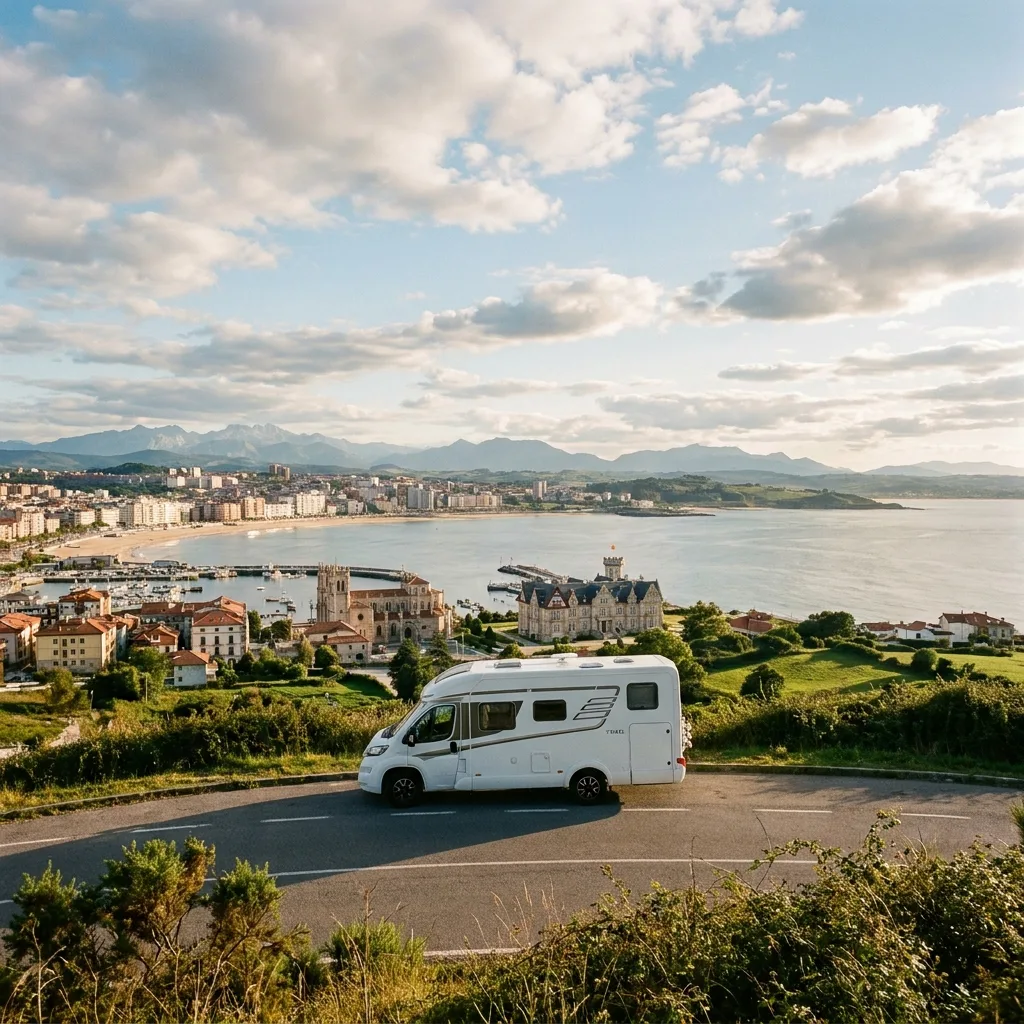
Santander is located on one of the most beautiful natural bays on the Spanish north coast. The Magdalena Peninsula offers an expansive park with a striking royal palace at its centre. Along the coastline, the wide sandy beaches of El Sardinero stretch out to the rugged cliffs near the lighthouse. In the renovated harbour district, the futuristic Centro Botín draws attention as a cultural beacon above the water. The wide boulevards invite you for a stroll with constant views of the Cantabrian Sea. In the compact city centre, you'll find stately architecture and squares filled with local gastronomy. The proximity of the mountains and the sea ensures a pleasant climate throughout the year. It is a suitable place to experience the maritime atmosphere of Northern Spain without the hustle and bustle of the largest metropolises.
Want to actually take this trip?
We put together the complete package for you — motorhome, ferry, campsites — in one personal email.
Stop 10
Santillana del Mar
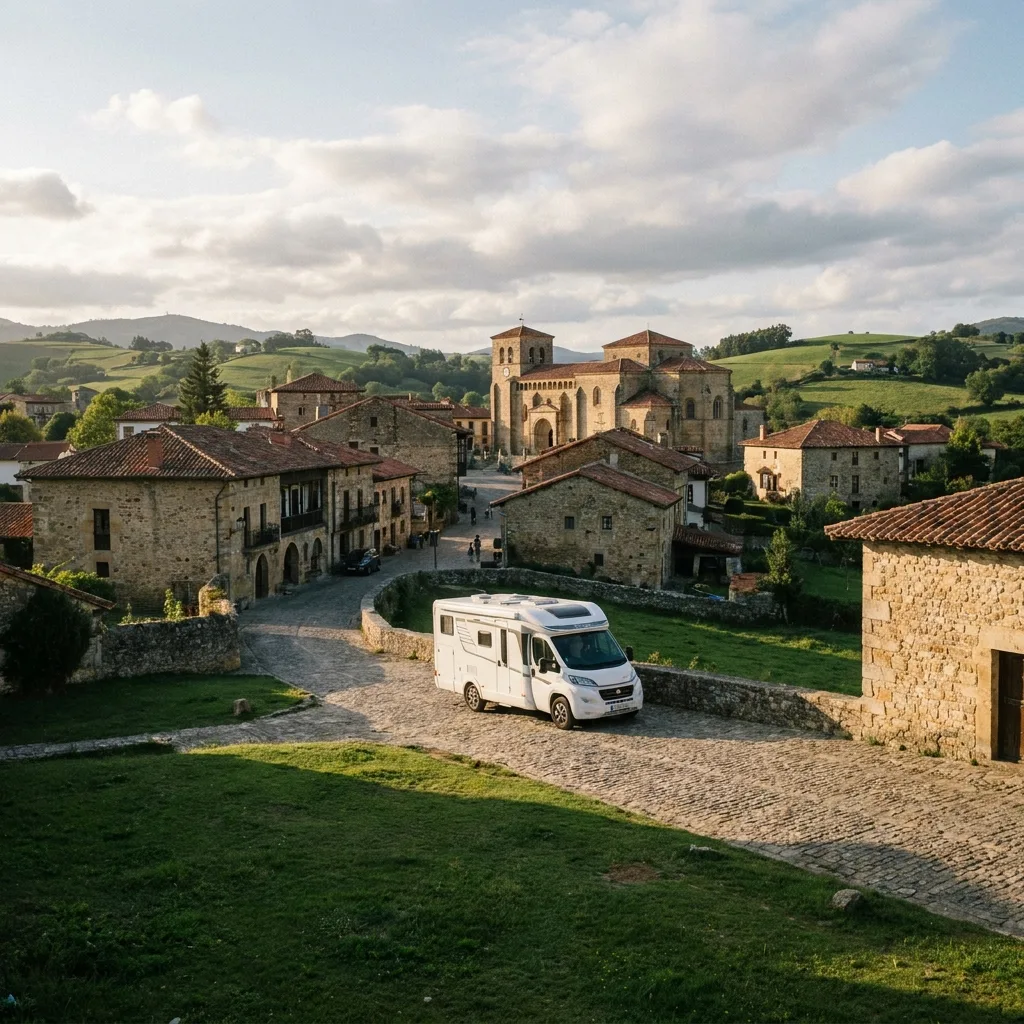
Santillana del Mar is one of the best-preserved medieval villages in northern Spain. Its cobbled streets and sand-coloured mansions with wooden balconies exude an authentic historical atmosphere. At the heart of the village stands the Colegiata de Santa Juliana, an impressive example of Romanesque architecture with a distinctive cloister. Nearby is the famous Cueva de Altamira, where replicas of prehistoric cave paintings can be admired in the modern museum. Strolling through the narrow alleys, you'll find flower-filled facades and small artisan shops everywhere. Its location in the rolling green hills of Cantabria provides a tranquil backdrop for an extended visit. Despite its name, the village lies several kilometres inland, but its proximity to the coast provides a refreshing sea breeze. It is a place where history remains tangible thanks to its meticulously preserved architecture.

Stop 11
Quotation marks
Comillas stands out for its remarkable collection of modernist architecture on the Cantabrian coast. The colourful El Capricho is one of the few buildings by Antoni Gaudí outside Catalonia. Stately avenues lead past the Neo-Gothic Palacio de Sobrellano and the imposing Pontifical University on the hill. In the historic centre, one can stroll across cobbled squares with traditional houses and wooden balconies. The proximity of the sea offers opportunities for a relaxed stroll along the wide sandy beach. Green hills surround the town and contrast with its monumental brick buildings. Travellers experience a unique blend of aristocratic grandeur and a convivial coastal atmosphere here.

Stop 12
Picos de Europa
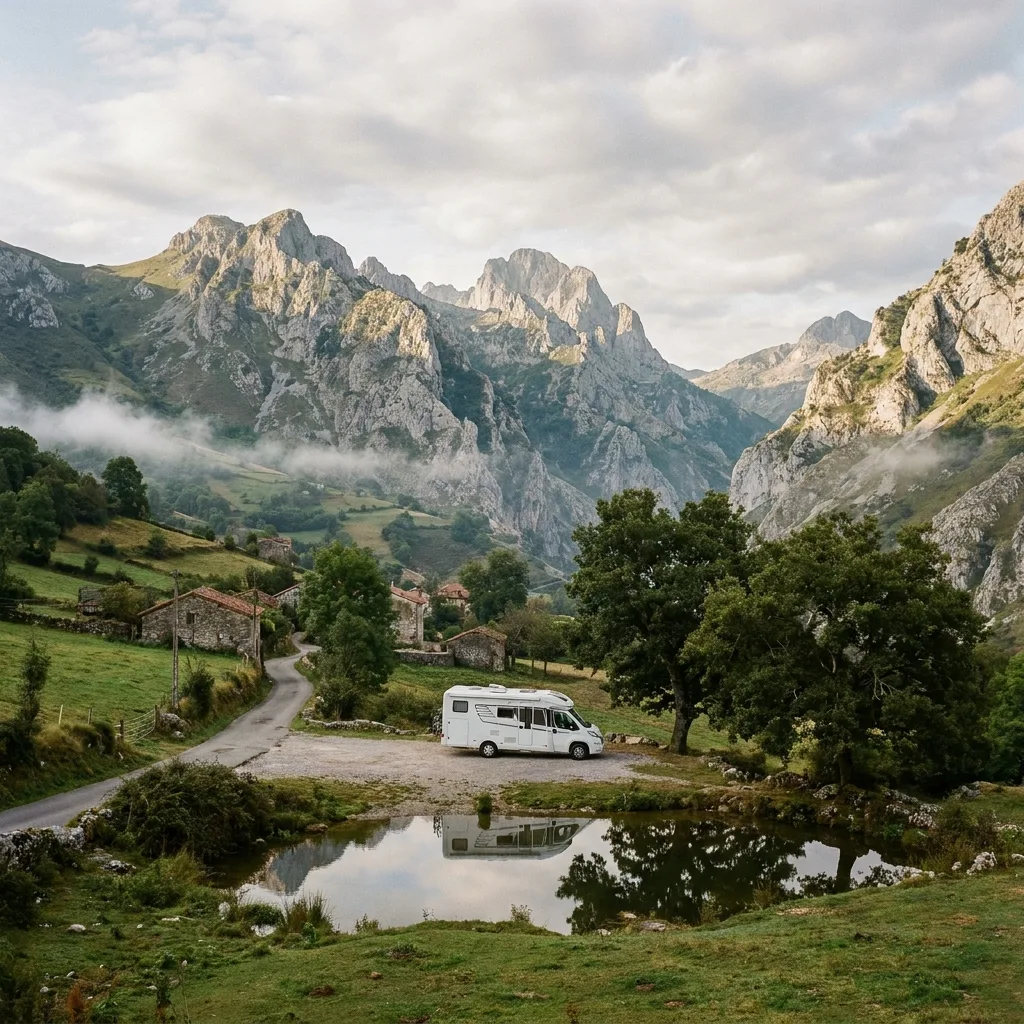
The Picos de Europa form an extensive limestone mountain range in northern Spain. Steep grey mountain peaks and deeply eroded gorges define the landscape of this national park. At Fuente Dé, a cable car takes visitors to a high-altitude plateau with expansive views of the surroundings. Hikers can follow the Garganta del Cares, a route that winds through a narrow riverbed between high rock faces. The distinctive rock peak Naranjo de Bulnes is a recognizable landmark for those exploring the deeper parts of the massif. Scattered throughout the sheltered valleys are small villages where traditional agriculture is still practiced. The winding roads through the area provide access to various starting points for mountain hikes and nature observations. This high mountain range is a prime destination for travelers who want to experience the rugged side of the Iberian Peninsula.

Stop 13
Covadonga & the lakes
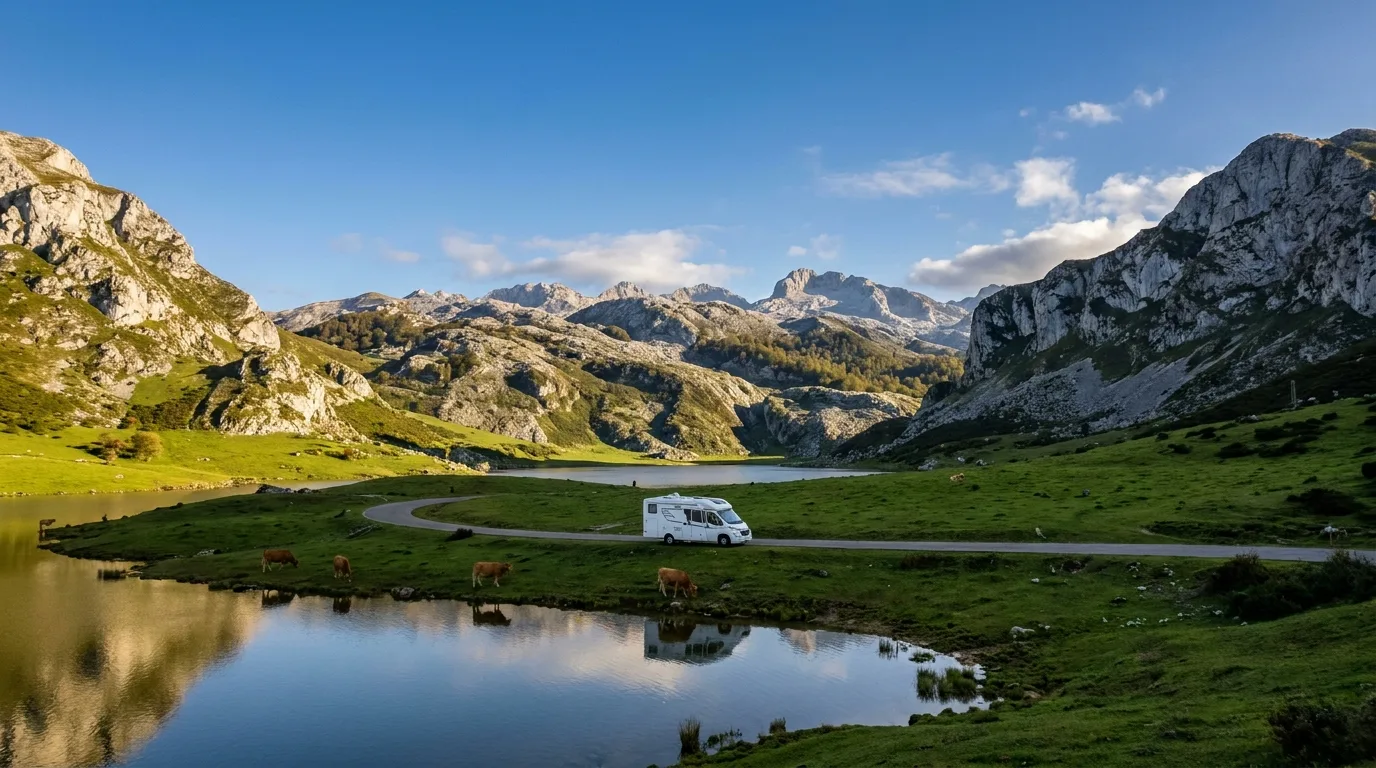
In the heart of the Picos de Europa, this area forms an impressive combination of religious heritage and rugged nature. The Santa Cueva, carved into a cave, houses a chapel that appears to float above a gushing waterfall. Higher up in the mountains lie the glacial lakes Lago Enol and Lago Ercina, surrounded by green alpine meadows and grazing cows. Narrow roads lead along steep cliffs to spectacular viewpoints over the jagged limestone massif. Hikers can wander for hours here on trails that connect the various mountain lakes. The serene atmosphere at the Basílica de Covadonga offers a sharp contrast to the wild, untouched mountain peaks in the immediate vicinity. On clear days, the surrounding peaks reflect beautifully in the calm waters of the lakes. This mountainous region is one of the most characteristic landscapes of Northern Spain and invites active exploration.

Stop 14
Llanes
Llanes combines the charm of a fishing village with an impressive coastline on the Cantabrian Sea. The harbour immediately stands out due to the colourful Cubos de Memoria, an artwork adorning the seawall. Along the cliffs, the Paseo San Pedro offers panoramic views of the town and the rugged ocean. In the medieval centre, narrow streets and historic mansions invite visitors for a leisurely stroll. For relaxation, Playa del Sablón is located right on the edge of the old town. The surrounding green hills form a sharp contrast with the limestone cliffs along the coast. Local cider houses create a lively atmosphere in the authentic neighbourhoods during the evening hours.

Stop 15
San Sebastián
San Sebastián is located on one of Europe's most beautiful bays, surrounded by green hills. The shell-shaped La Concha invites long walks along the surf. In the narrow streets of the Parte Vieja, you'll discover a huge concentration of bars where local specialties are served at the counter. From the top of Monte Igueldo, you'll get sweeping views of the city and the rugged coastline. The elegant Belle Époque architecture lends the streets a stately air. Surfers gather at the waves of Playa de Zurriola, while hikers explore the coastal paths. It's a place where gastronomy and natural beauty seamlessly blend together.

Stop 16
San Vicente de la Barquera
San Vicente de la Barquera is a picturesque fishing village on the coast of Cantabria. Its location on a wide river estuary offers an impressive panorama, often with the peaks of the Picos de Europa visible in the background. Walking across the historic Puente de la Maza provides expansive views over the tidal harbour and the bobbing boats. In the higher-lying old town, a path leads past the robust Castillo del Rey to the Gothic Iglesia Santa María. Along the quays, numerous eateries can be found where fresh fish and seafood dominate the menu. The nearby Oyambre beaches offer ample space for a walk along the surf. The combination of maritime tradition and medieval architecture makes this a characteristic stop in Northern Spain.

Stop 17
Cangas de Onís
Cangas de Onís, nestled at the foot of the rugged Picos de Europa mountain range, serves as a vibrant gateway to the mountains. The town's most prominent symbol is the impressive Puente Romano (Roman Bridge), from which a replica of the Victory Cross hangs above the Sella River. Hikers and nature enthusiasts often gather here before venturing deeper into the national park. In its narrow streets, you'll find numerous specialty shops selling the famous local cheeses and traditional cider. A visit to the Iglesia Santa Cruz (Church of Santa Cruz) reveals an ancient history dating back to Spain's early Christian kingdoms. The surrounding green valleys offer ample opportunity for active excursions along babbling brooks. In the evenings, a lively atmosphere fills the squares where local gastronomy takes center stage. It is an ideal spot to stock up on supplies and enjoy Asturian hospitality.

Stop 18
Costa da Morte & Fisterra
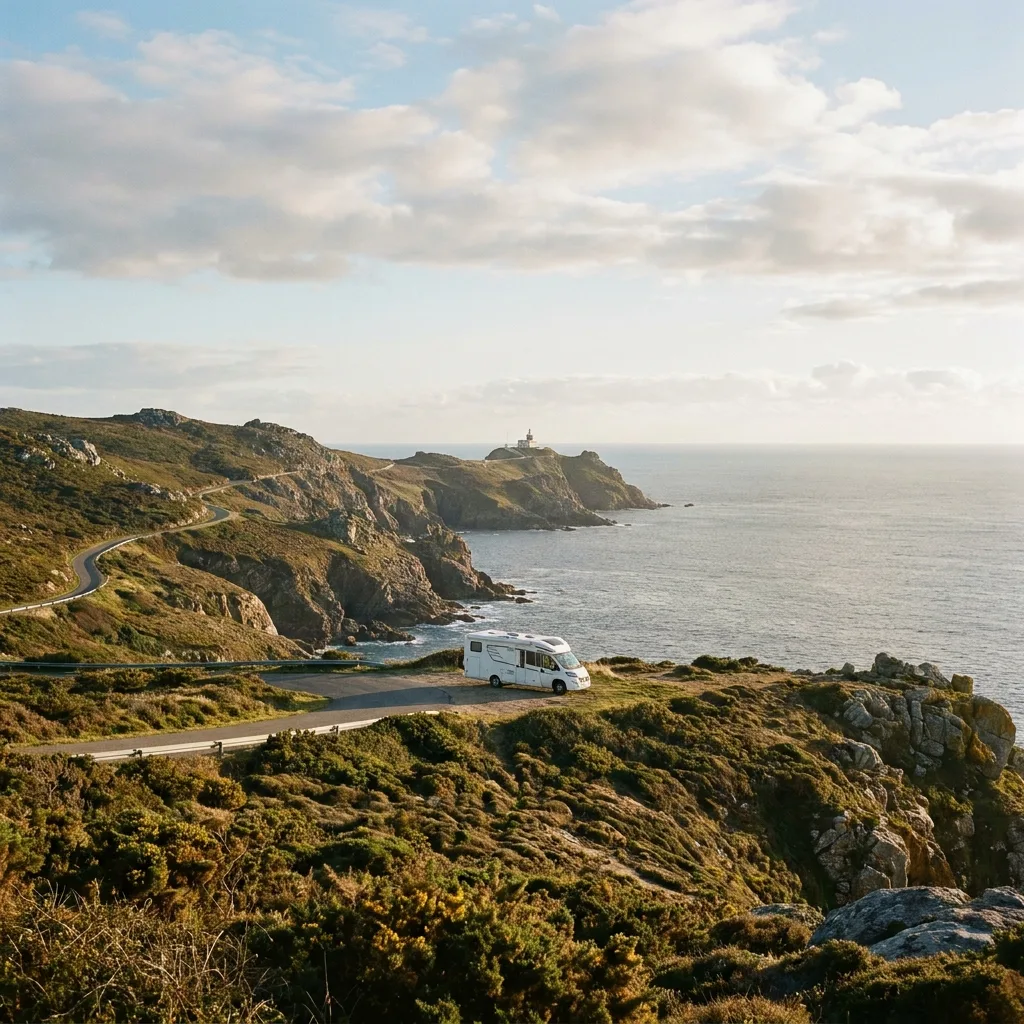
The Costa da Morte forms a rugged coastline in the far northwest of Galicia. At Faro de Fisterra, visitors gaze out over the endless Atlantic Ocean from an iconic headland. The steep cliffs of Cabo Vilán contrast sharply with the wild sea and are home to one of the oldest electric lighthouses. In the nearby village of Ézaro, a unique waterfall plunges directly into the salty sea. Small fishing ports are nestled in deep inlets where the local cuisine centers on fresh seafood. Coastal paths lead to secluded sandy beaches surrounded by unspoiled nature. The constant wind and powerful surf create a dynamic spectacle of water and rocks. This region exudes a mystical atmosphere due to its rich maritime history and remote location.
Ready to hit the road?
We'll email you a personal travel proposal within 24 hours — motorhome, route and full cost overview included. Save €400–€800 on average vs. a travel agency.
No packages, no middlemen. Learn how it works
Camproads gave me a lot of inspiration for our campervan trip. The routes are beautiful, with a good balance of nature and city life, and the route generator made planning super easy. It's also really handy that there are so many good camping options at the locations, and that you can easily find the campervan that suits your needs and compare prices. This way, we can plan everything ourselves and book the campervan directly with the rental company. That's much cheaper than an organized trip!
Michiel van de Bunt
February 2026
What a difference from how I used to plan trips. Through Camproads, I put together a complete campervan trip in just a few minutes. It's so easy to use, and you can customize everything to your liking. The ability to choose your travel pace makes it even more enjoyable, especially now that we're traveling with a baby for the first time.
Alieke Zelhorst
February 2026