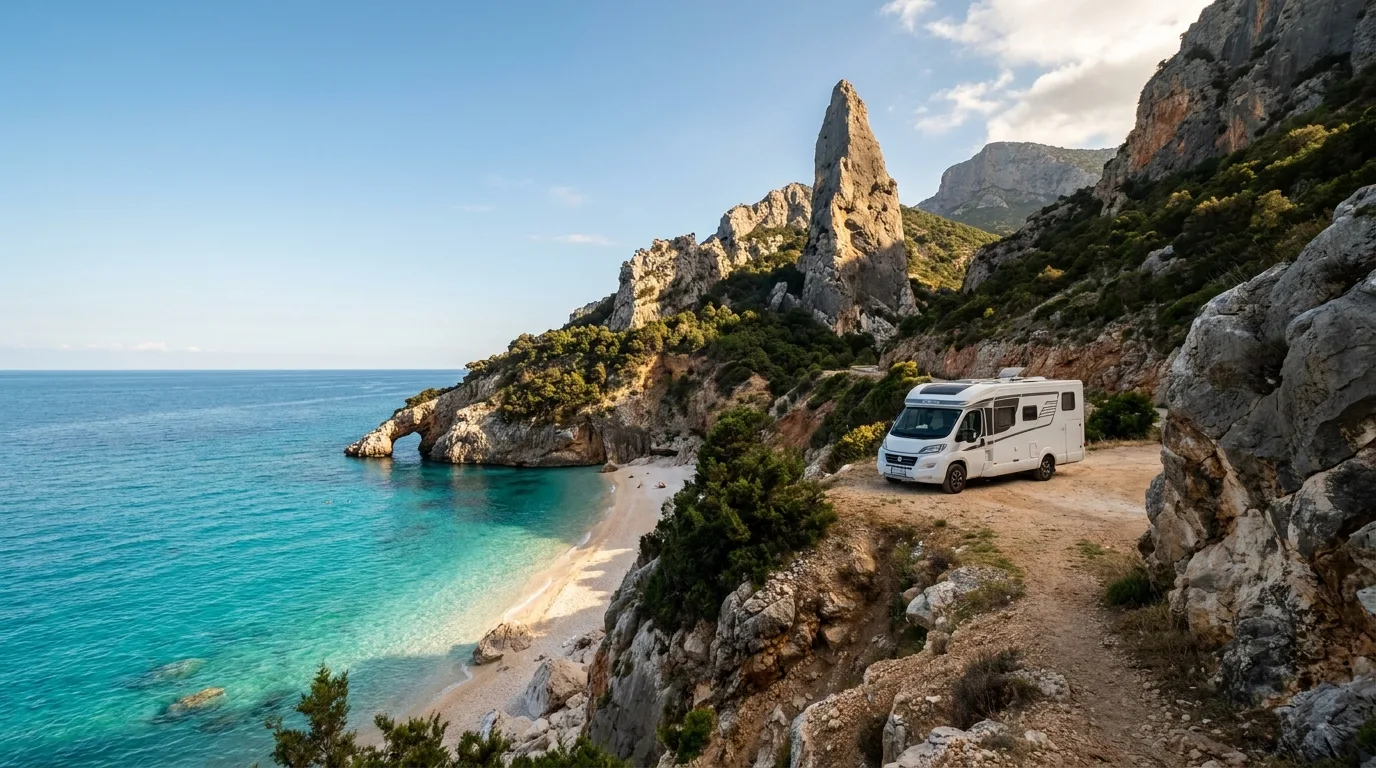
Take this trip by motorhome
Save €400–€800 on average vs. a travel agency
Duration
x daysDistance
1121 km
stops
19
Choose a date and duration that fits your preferences
About this route
Highlights
- ✦Visit the Basilica San Simplicio in Olbia
- ✦Admire the Roccia dell'Orso near Palau
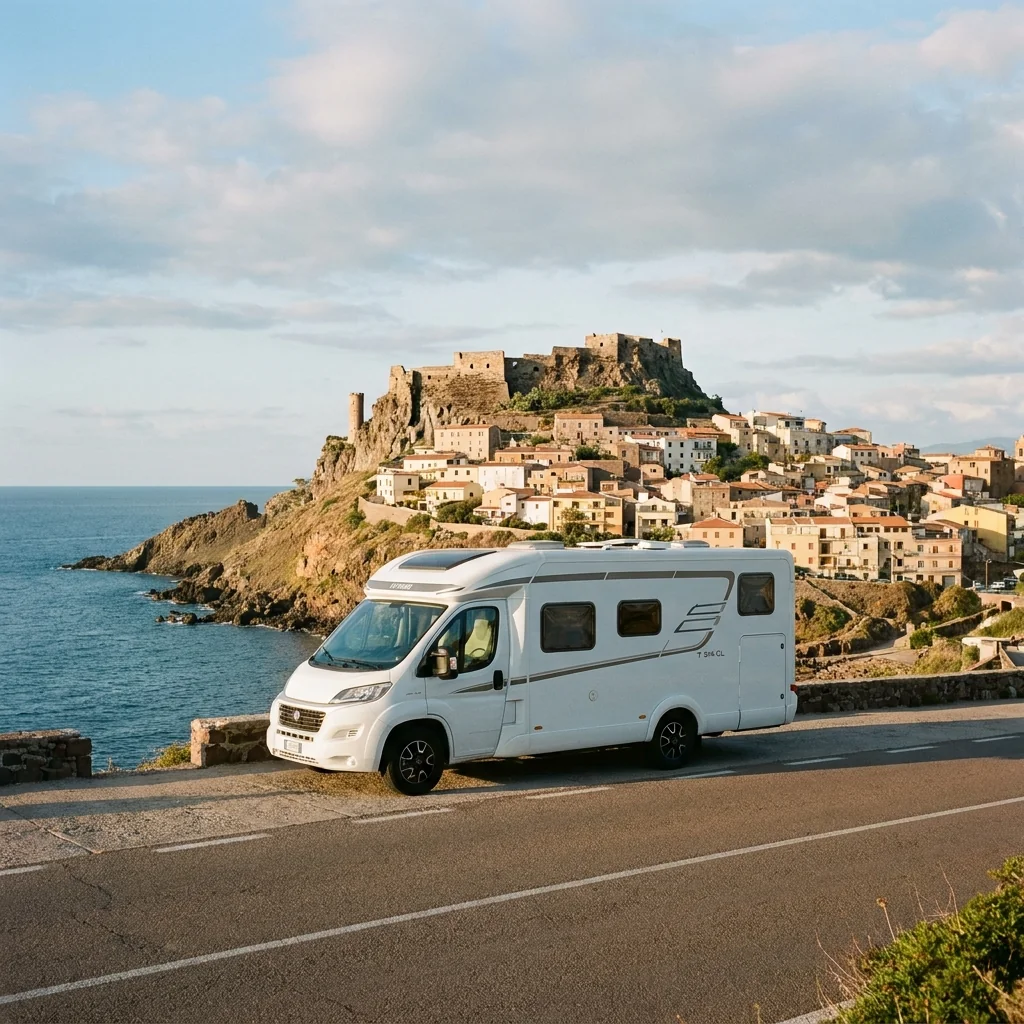
- ✦Explore the Castello dei Doria in Castelsardo
- ✦Walk along the Bastioni di Alghero and experience the Catalan atmosphere
- ✦Experience the impressive cliffs of Capo Caccia
- ✦Drive along the golden sand dunes of Piscinas
- ✦Enjoy the view from the Bastione di Saint Remy in Cagliari
The route
Stop 1
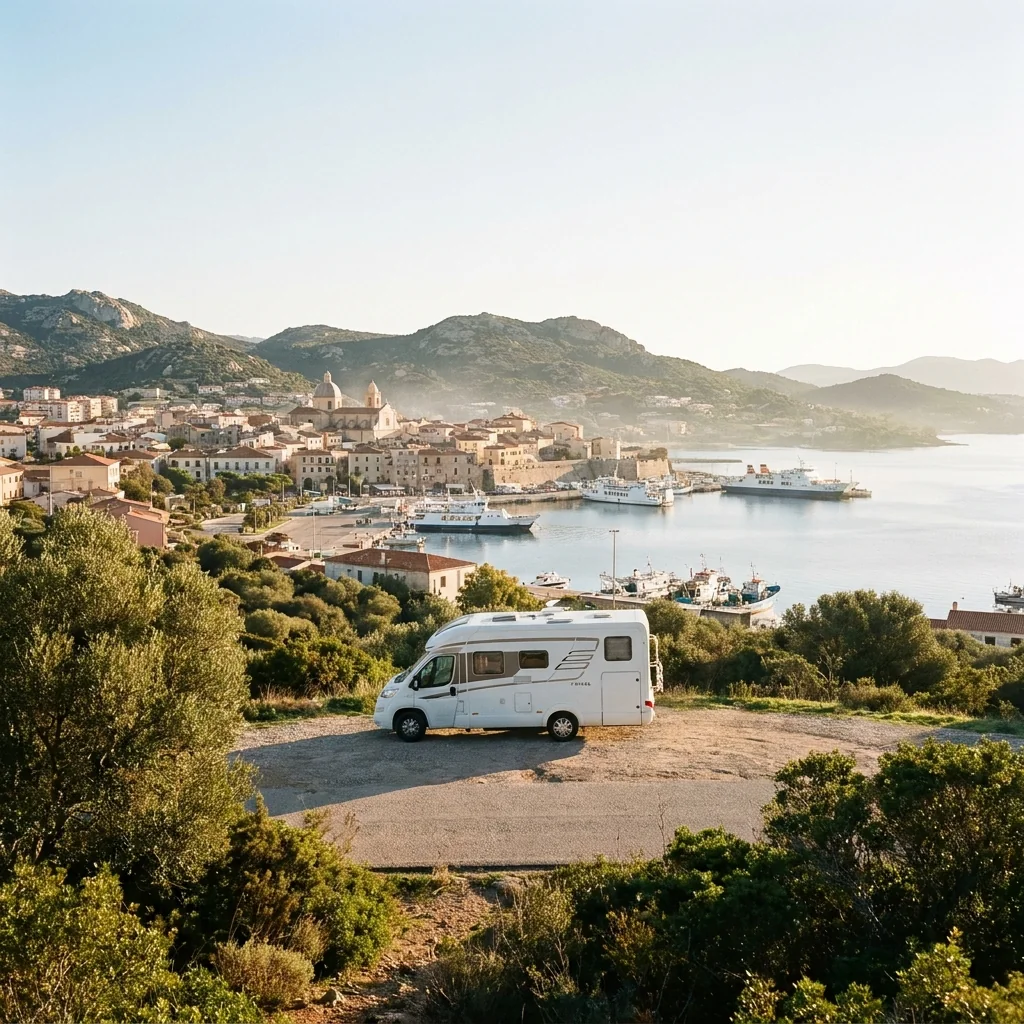
Olbia
Olbia is a port city in the Gallura region, known for the Romanesque Basilica San Simplicio from the eleventh century. At the Museo Archeologico on the islet of Peddone, you can view Roman shipwrecks, while the car-free Corso Umberto I leads to the quay. You can find peace in the eighteen-hectare city park Fausto Noce or taste local seafood dishes in the narrow side streets of the historic centre.
Stop 2
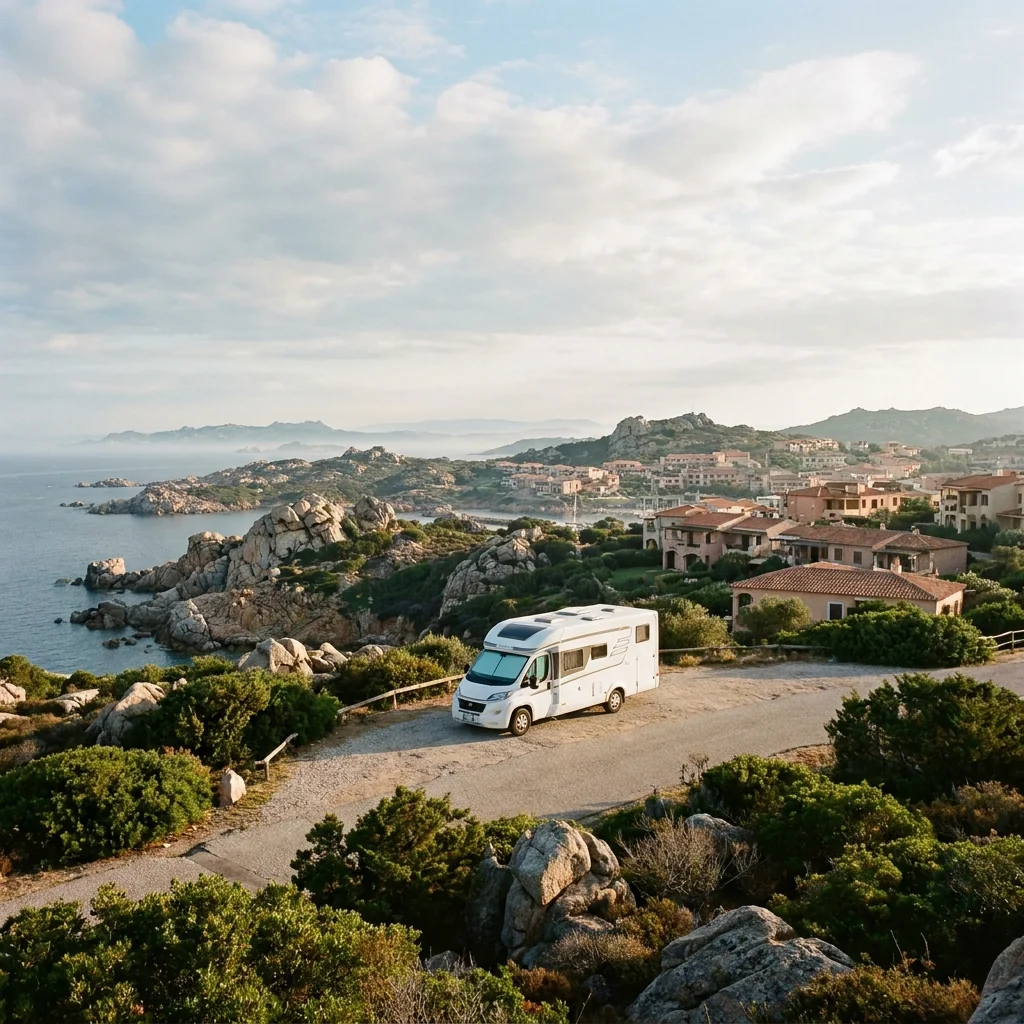
Palau
Palau is a port town on the northeast coast of Sardinia, known for the 122-meter-high Roccia dell'Orso, a granite rock formation in the shape of a bear. Here you can visit the nineteenth-century Fortezza di Monte Altura, a military defensive work overlooking the La Maddalena Archipelago. Near Porto Faro, a white lighthouse stands by the Tyrrhenian Sea, and sailboats are moored in the town's harbor.
Stop 3
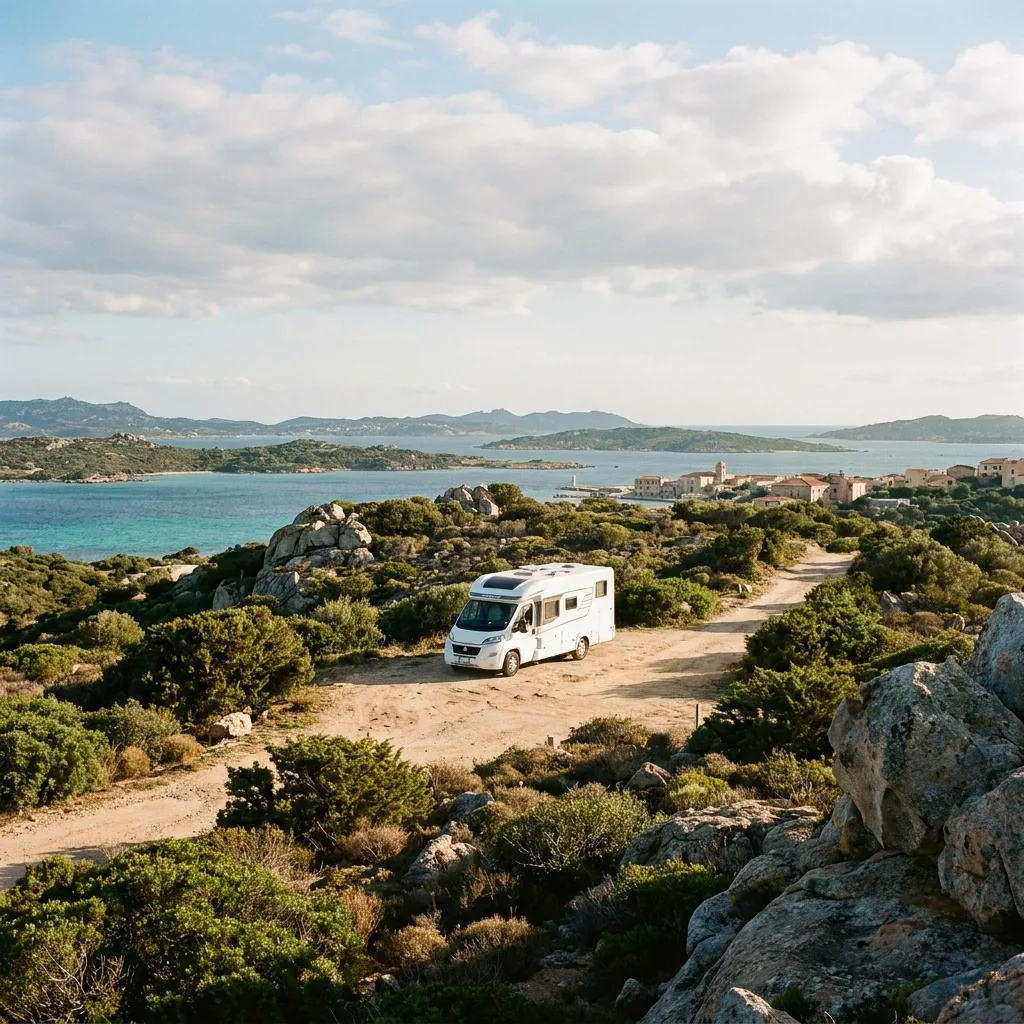
La Maddalena
La Maddalena is the main town of an archipelago with over sixty islands off the coast of Sardinia. You reach the town by ferry from Palau and drive along the Strada Panoramica past granite rocks and bays. On the neighboring island of Caprera, connected by a bridge, is the Compendio Garibaldino where Giuseppe Garibaldi lived. The uninhabited islands of Budelli and Spargi are only accessible by boat and are home to the Spiaggia Rosa.
Stop 4
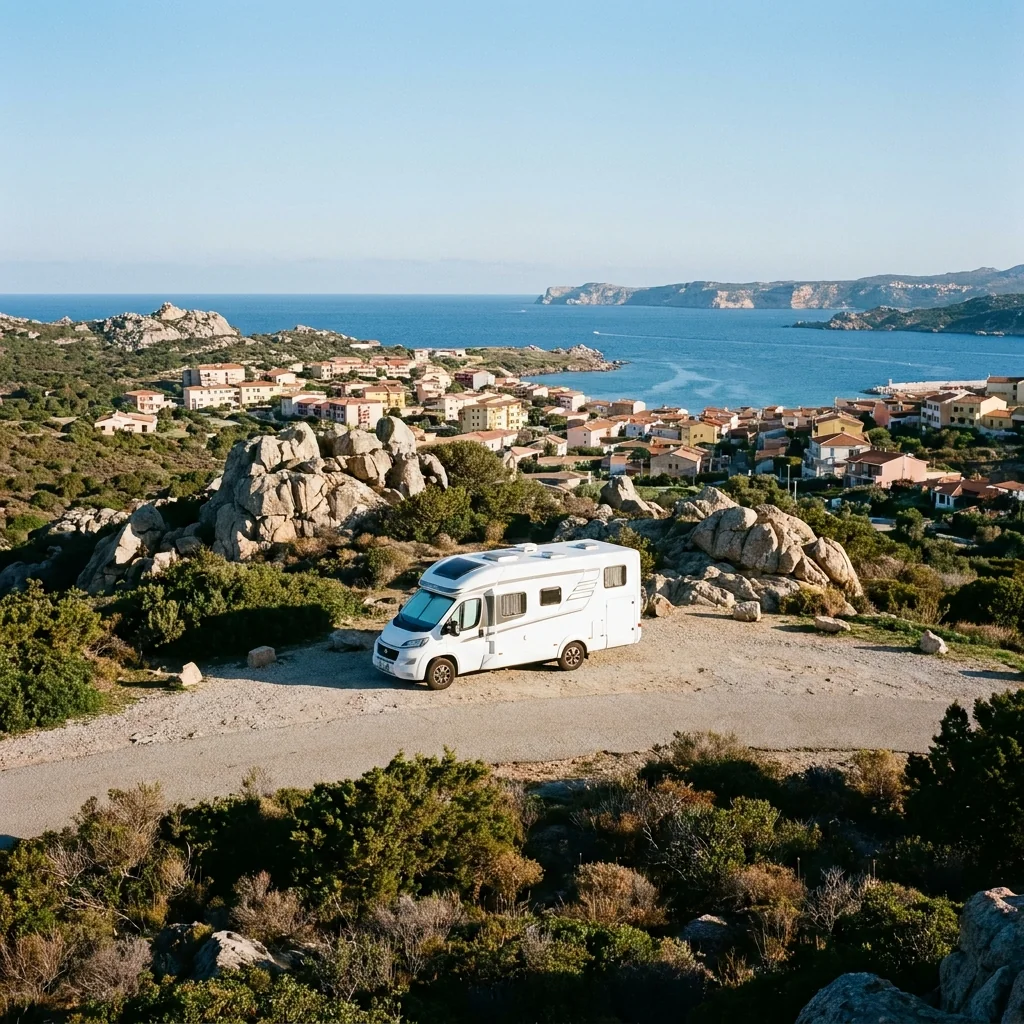
Santa Teresa Gallura
Santa Teresa Gallura is the northernmost town in Sardinia and is located on the Bocche di Bonifacio, the strait that separates the island from Corsica. The central Piazza Vittorio Emanuele forms the heart of the village, while the sixteenth-century Torre di Longonsardo on a rocky plateau offers views over the cliffs of the nearby French island. Right on the edge of the village you will find the white sands of Spiaggia Rena Bianca, and ships depart from the local harbor to the surrounding archipelago.
Stop 5
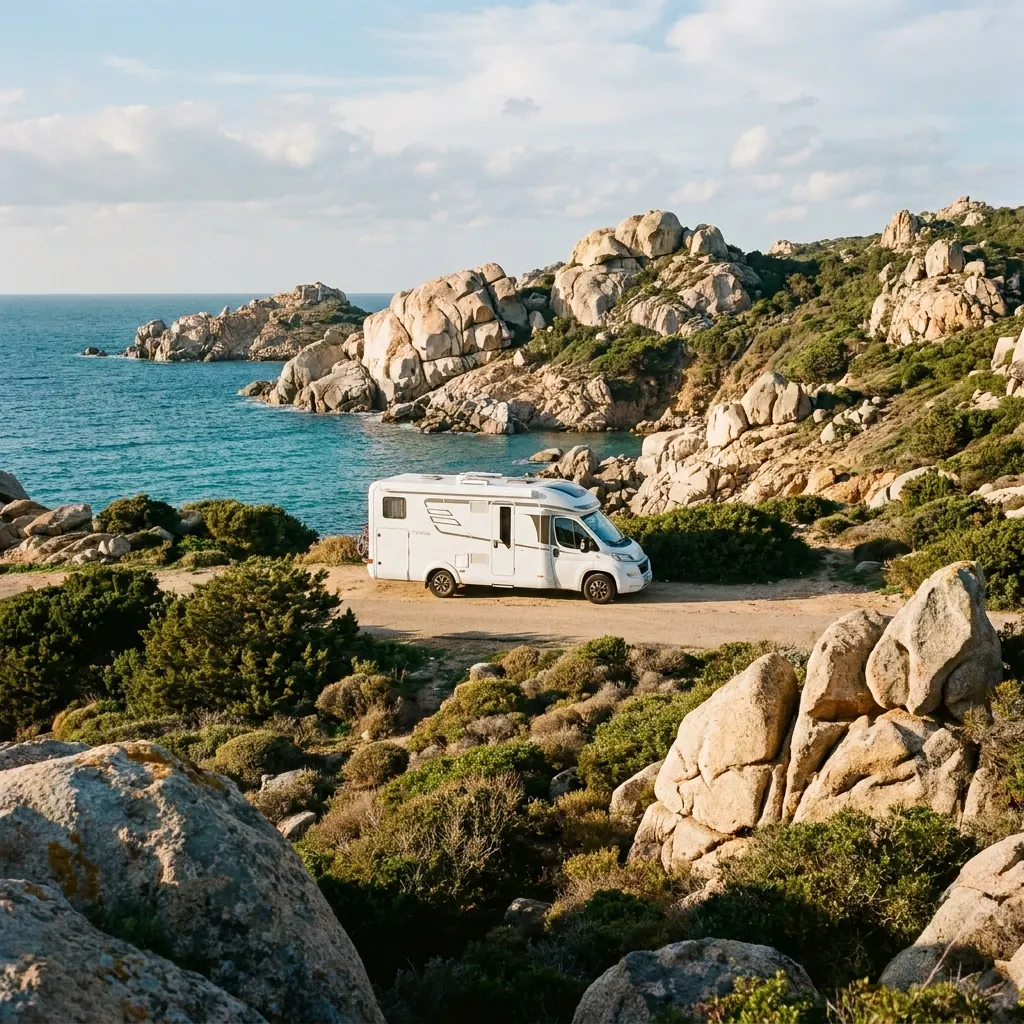
Capo Testa
Capo Testa surprises with its landscape full of whimsical granite formations, shaped by centuries of wind and sea. Here you can walk among the boulders to bays such as the charming Cala Spinosa or explore the Valle della Luna. The 23-meter-high Faro Capo Testa, built in 1845, offers a panoramic view. From the lighthouse, you can see the white limestone cliffs of the French island of Corsica across the Bocche di Bonifacio. The atmosphere on this peninsula is serene, with views of the azure sea everywhere.
Stop 6
Castelsardo
Castelsardo is a medieval fortified town on a volcanic rock on the Gulf of Asinara. The 12th-century Castello dei Doria dominates the cityscape, and the Cattedrale di Sant'Antonio Abate features a bell tower with colourful majolica tiles. Just outside the town is the Roccia dell'Elefante, a rock shaped like an elephant by erosion. In the alleys, you'll see artisans weaving baskets.
Stop 7
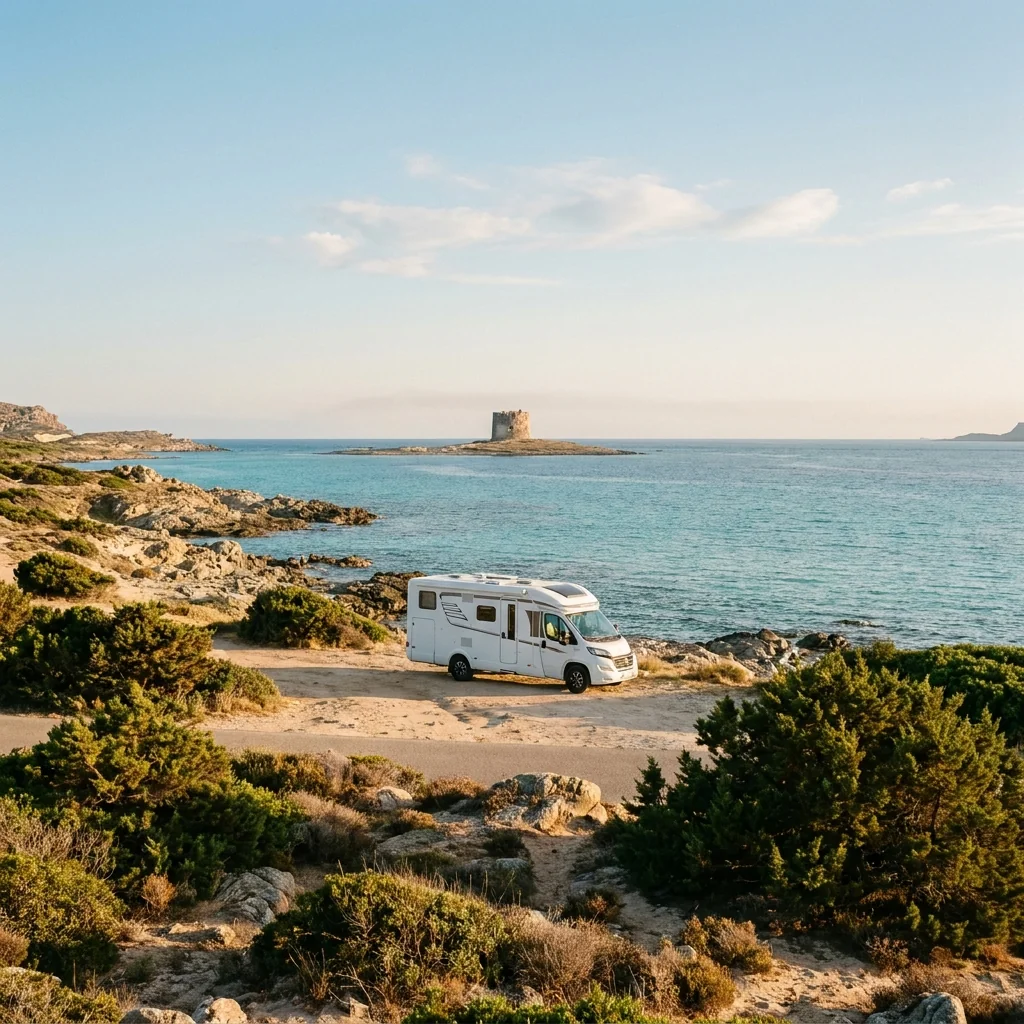
Stintino
Stintino is a fishing village on the northwestern tip of Sardinia, known for the shallow waters of Spiaggia La Pelosa. From the coast, you can see the sixteenth-century Torre della Pelosa and the islands of Isola Piana and Asinara. You can walk the trails of Capo Falcone or explore the bays by kayak. Access to the protected beach of La Pelosa requires a prior reservation.
Stop 8
Alghero
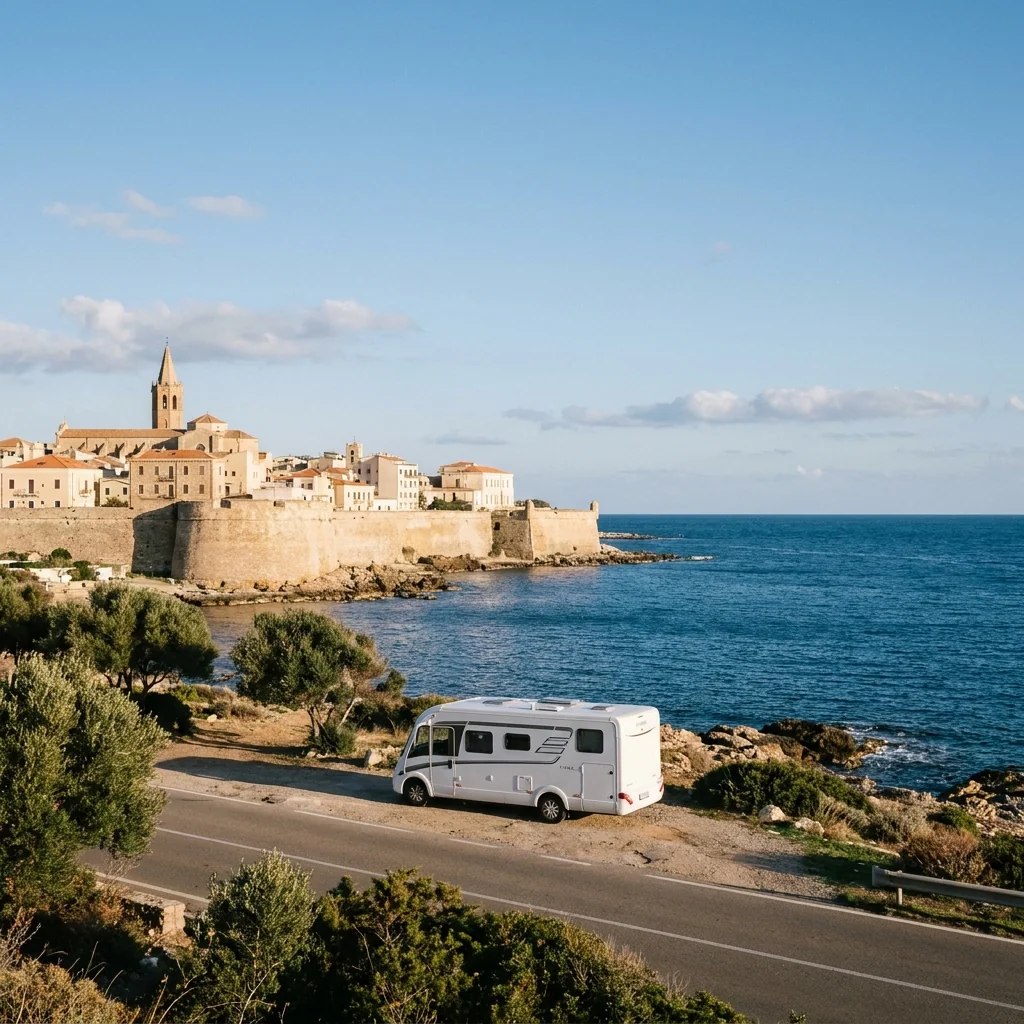
Alghero is a city on Sardinia's Coral Riviera where Catalan history is visible in its architecture and local language. The sixteenth-century Bastioni di Alghero surround the center, which features the Gothic Cattedrale di Santa Maria and the Torre di Sulis. Along the coastline, you'll find sandy beaches, and near the 168-meter-high cliffs of Capo Caccia, you can visit the Grotta di Nettuno. In the harbor and old town, you can enjoy seafood dishes.
Stop 9
Capo Caccia
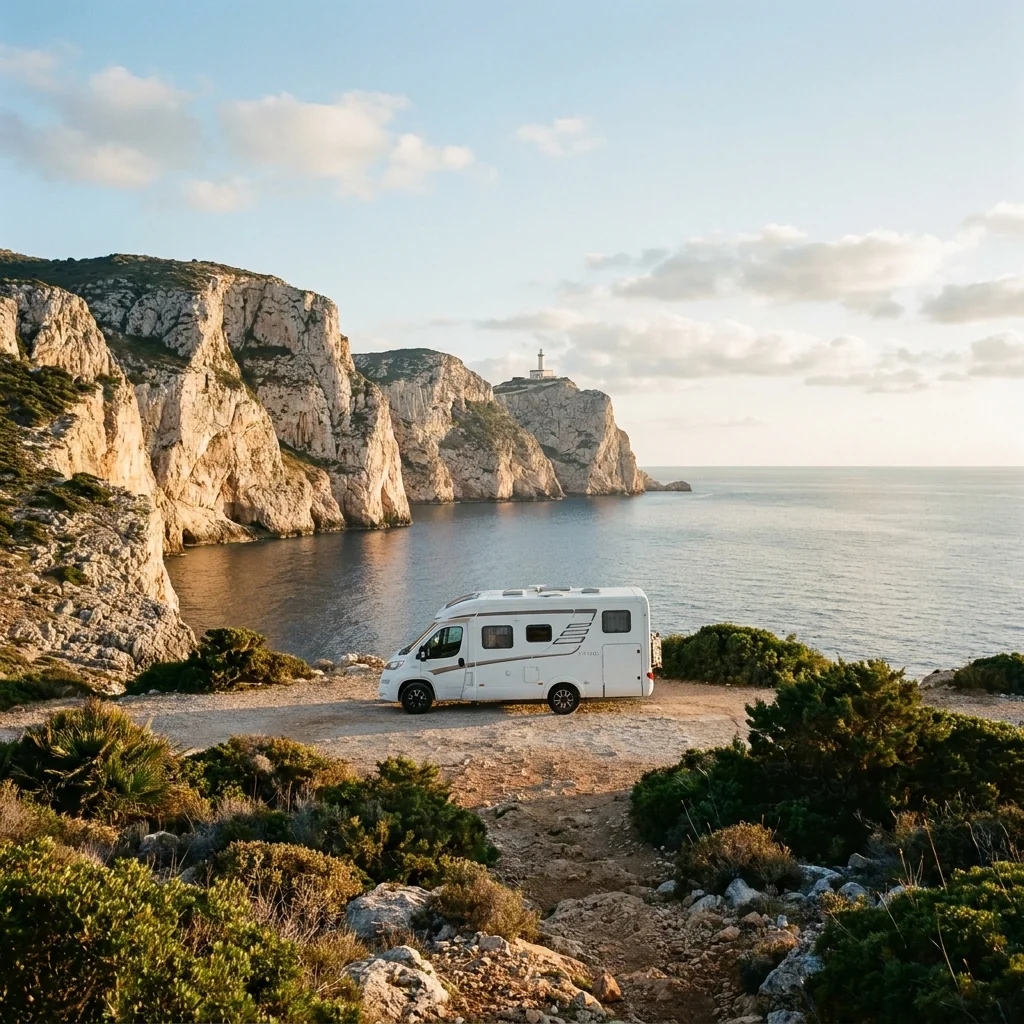
Capo Caccia is a limestone promontory in Northwest Sardinia that rises 168 meters above the Mediterranean Sea and overlooks the bay of Porto Conte. The Escala del Cabirol has 654 steps that lead along the rock face to the Grotta di Nettuno, a cave system with stalactites and stalagmites. You can also reach the cave by boat, and parking spaces on top of the cliff make the area accessible.
Want to actually take this trip?
We put together the complete package for you — motorhome, ferry, campsites — in one personal email.
Stop 10
Bosa
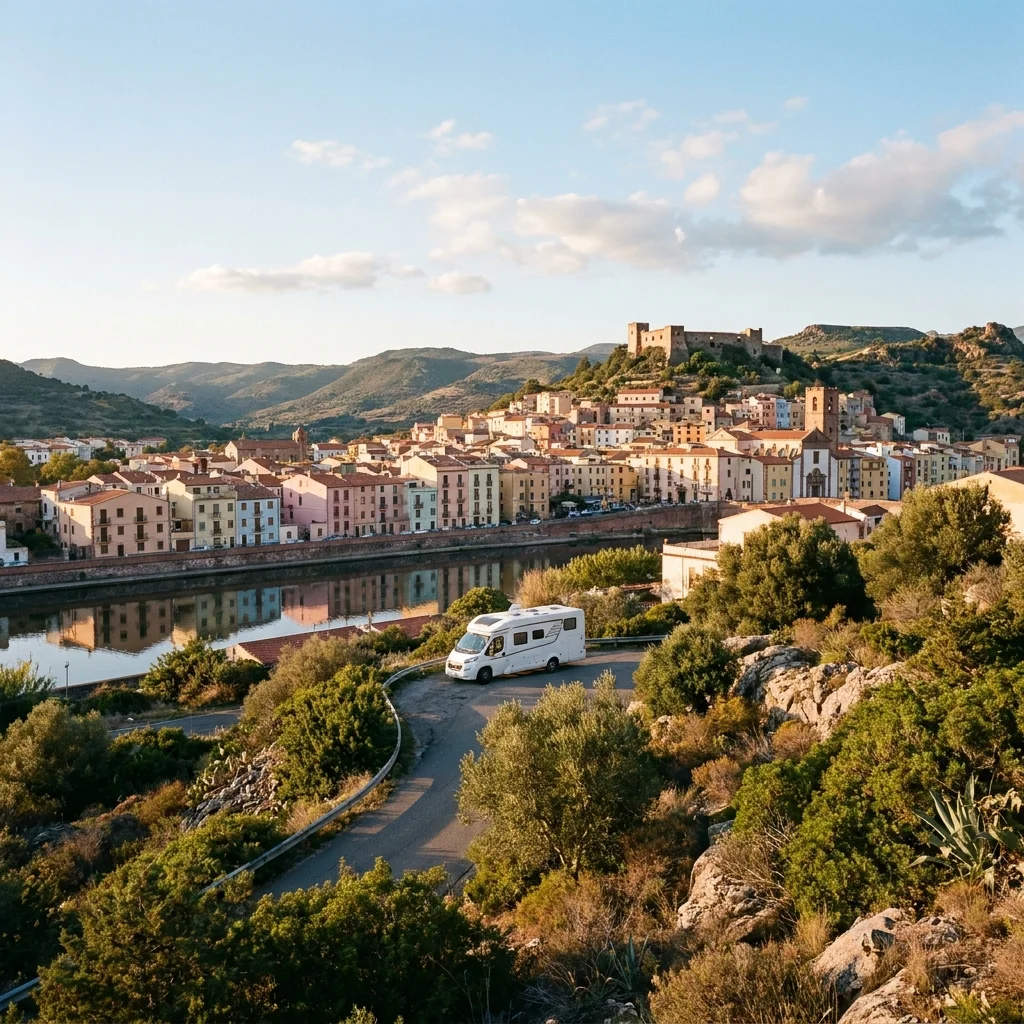
Bosa is located at the mouth of the Temo, Sardinia's only navigable river, and is dominated by the twelfth-century Castello di Serravalle. You can stroll through the medieval district of Sa Costa with its pastel-coloured houses and see the old tanneries from its industrial past along the quays. On the coast lies Bosa Marina, where you'll find a sandy beach and a sixteenth-century Aragonese watchtower.
Stop 11
Tharros
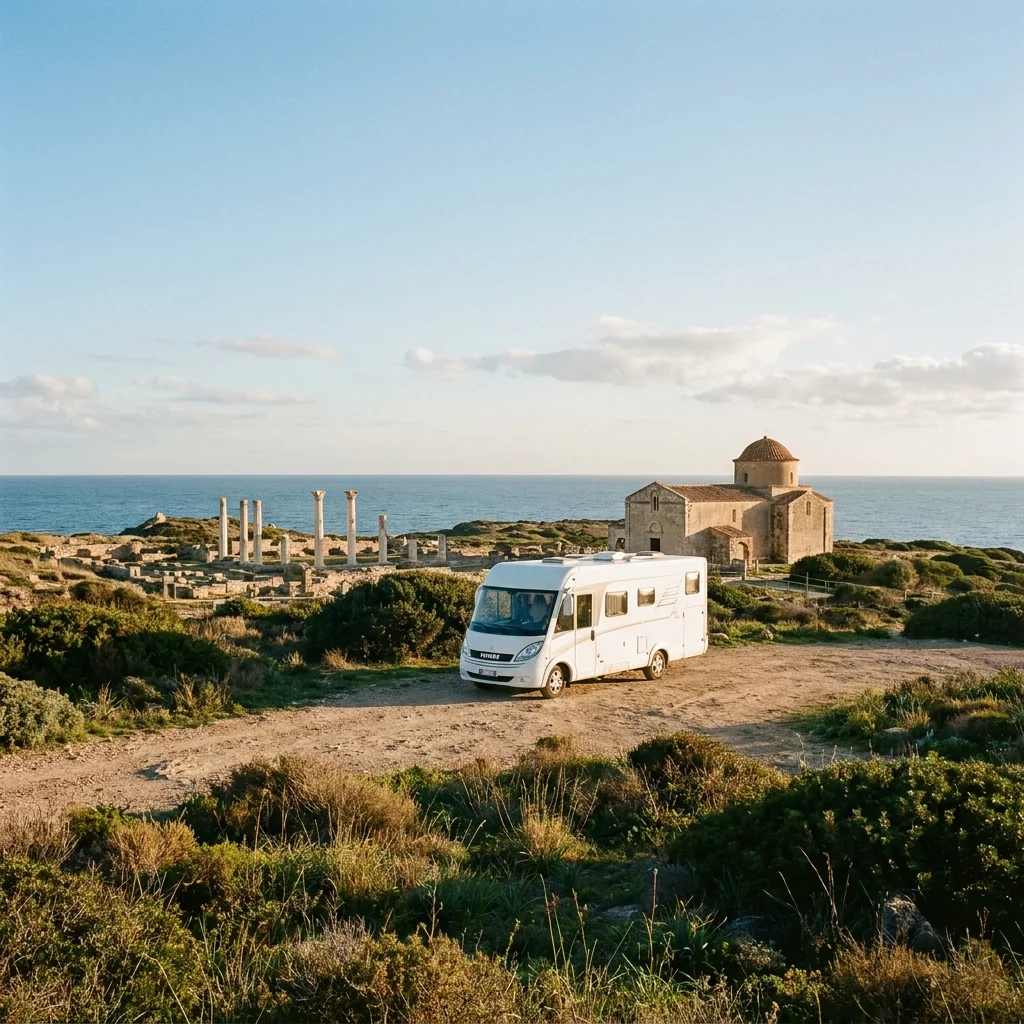
Tharros is an archaeological site on the Sinis peninsula with remains of a Phoenician city from the eighth century BC. You can walk past Roman columns and the sixth-century Chiesa di San Giovanni di Sinis to the Torre di San Giovanni on the Gulf of Oristano. The path continues to the lighthouse at the tip of Capo San Marco. In the nearby villages, you can taste bottarga, a local specialty of dried fish roe.
Stop 12
Piscinas
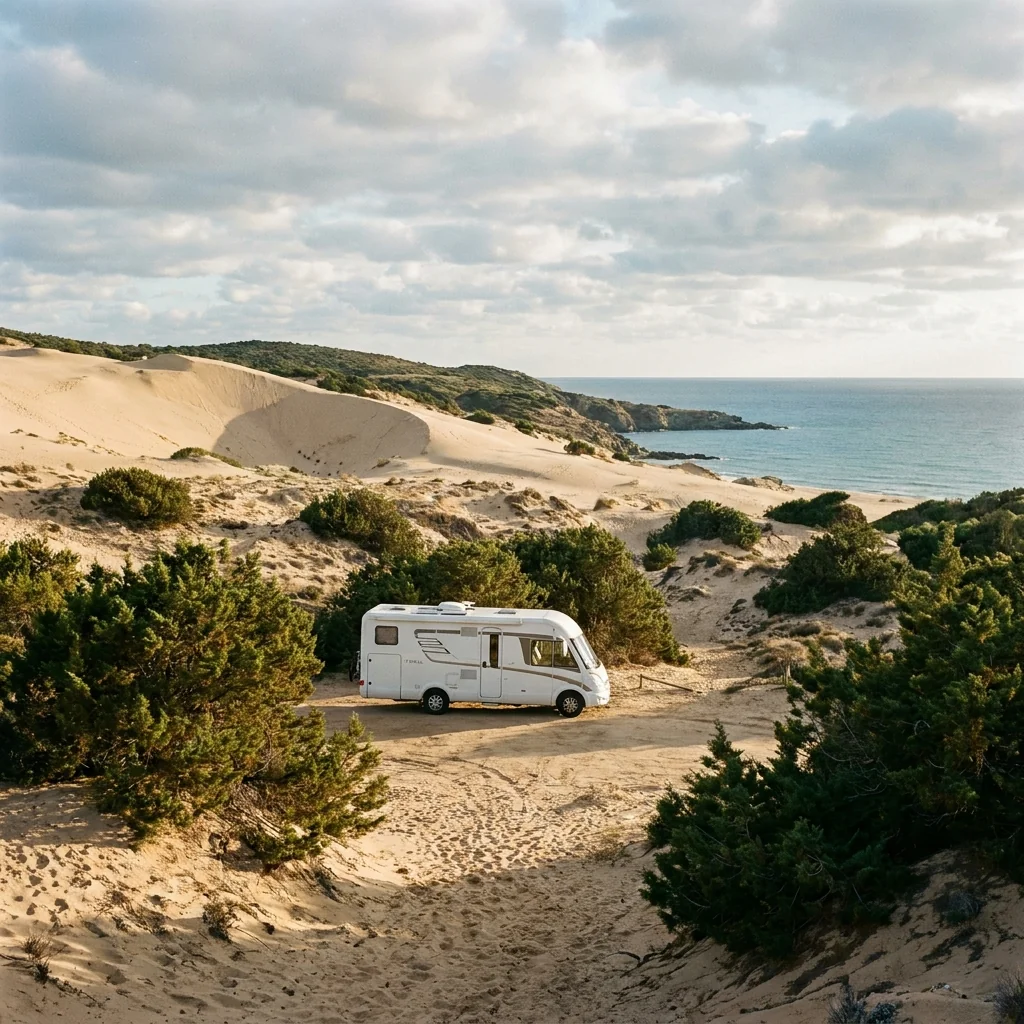
The Dune di Piscinas on the Costa Verde are golden-yellow sand dunes that reach up to sixty meters high, making them among the highest in Europe. You reach the coast via the remains of the mining settlement Miniera di Ingurtosu, where abandoned buildings recall the industrial past. The red river Rio Piscinas flows here across the beach into the surf of the Mediterranean Sea. You will find this nature reserve at the end of an unpaved road on the Sardinian west coast.
Stop 13
Masua
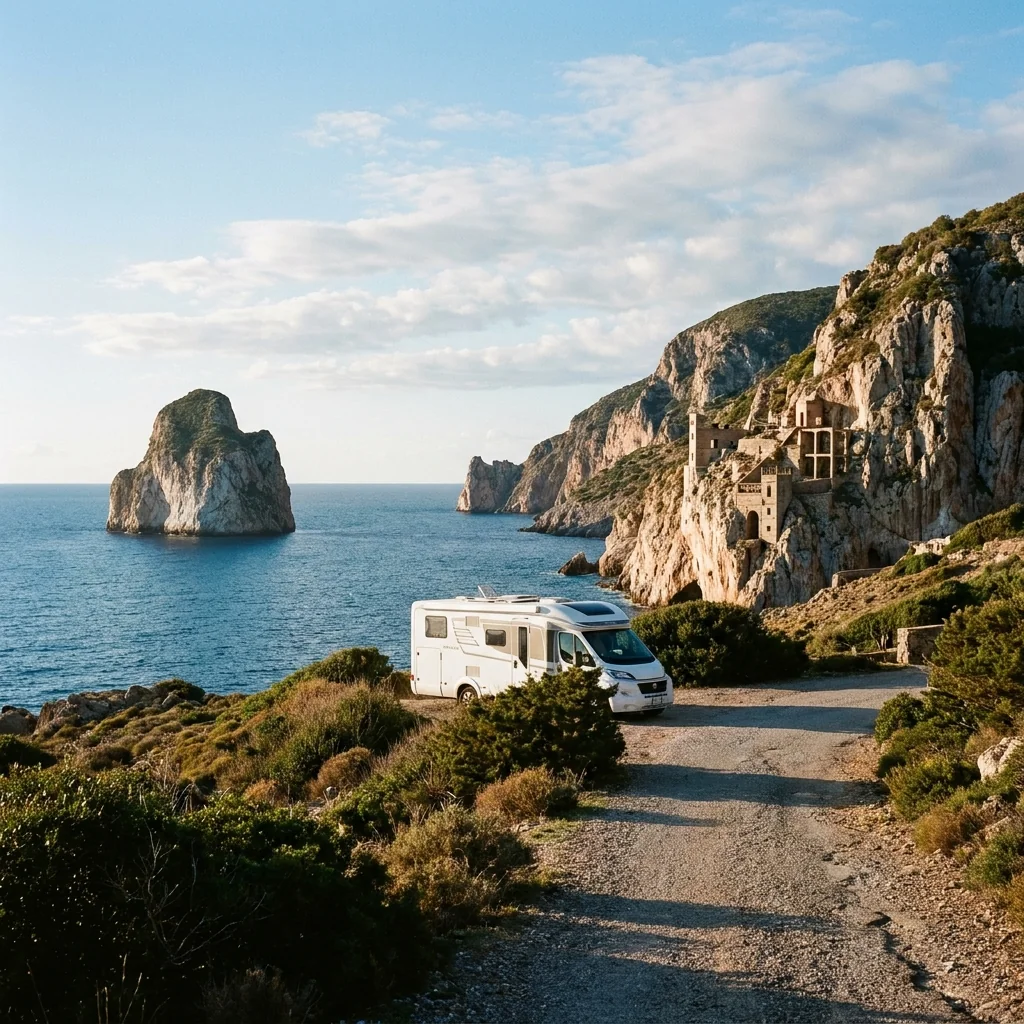
Masua attracts attention with the impressive Pan di Zucchero, a limestone rock rising 133 meters from the sea off the coast of Sulcis. Here you can visit Porto Flavia, a mining complex where a 600-meter-long tunnel through the cliffs opens directly above the waves. From the sandy beach of Masua, you can enjoy views of the rock formations. Hiking trails lead you over the rock faces of the Costa Verde, where rugged nature sets the atmosphere.
Stop 14
Chia
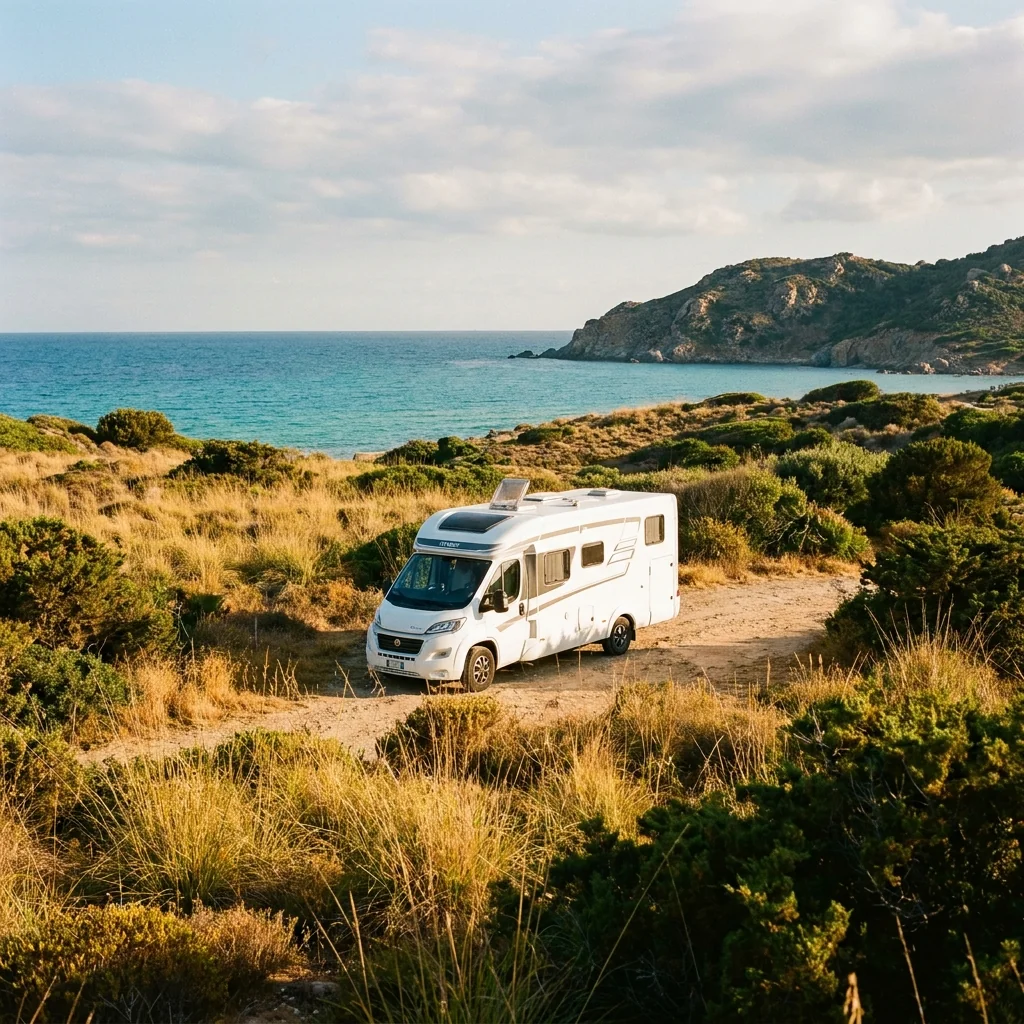
Expansive sand dunes and the sixteenth-century Torre di Chia define the face of Chia, a coastal town at the southern tip of Sardinia. From the Spanish defence tower, you enjoy a panoramic view over the Laguna di Chia, where pink flamingos calmly forage in the shallow water. At Spiaggia Su Giudeu, you walk among juniper bushes that grow right up to the surf. The charming coastline offers a picturesque view of the mountains of the hinterland.
Stop 15
Cagliari
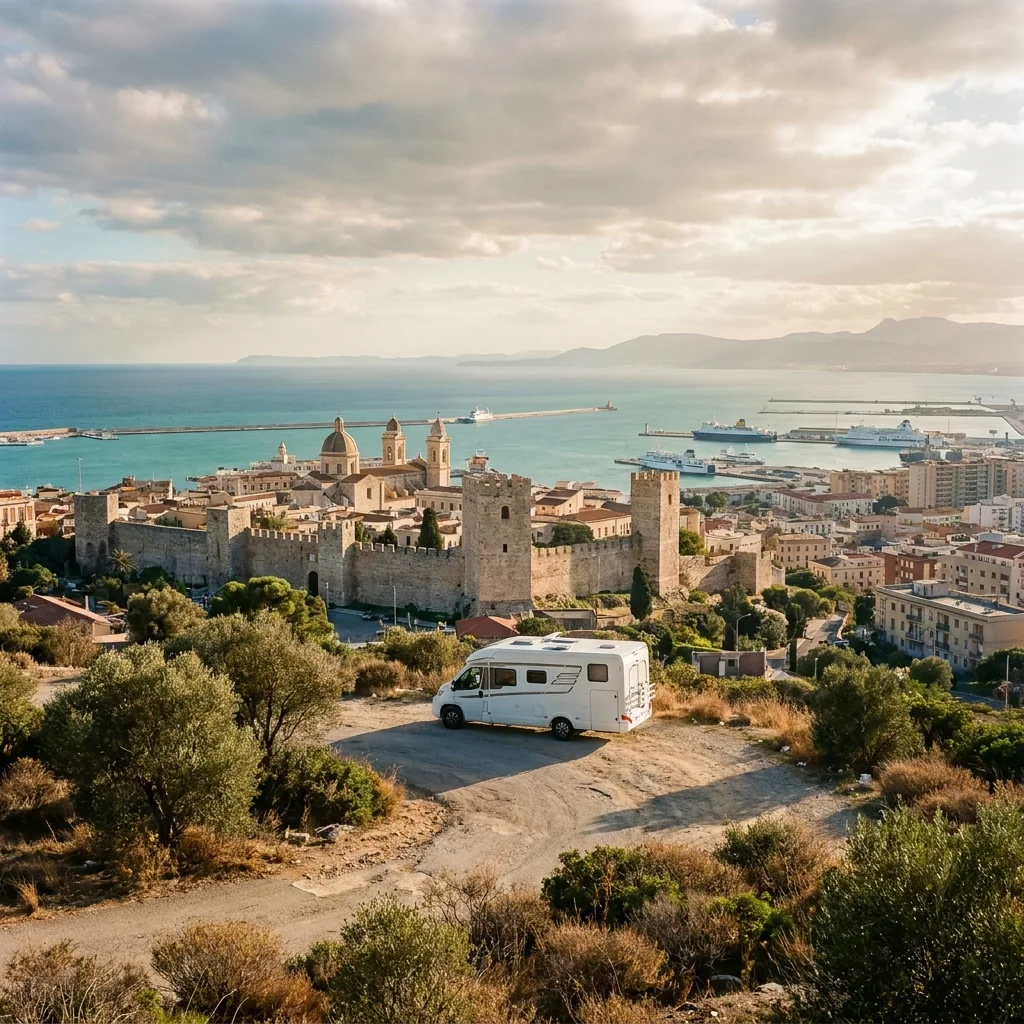
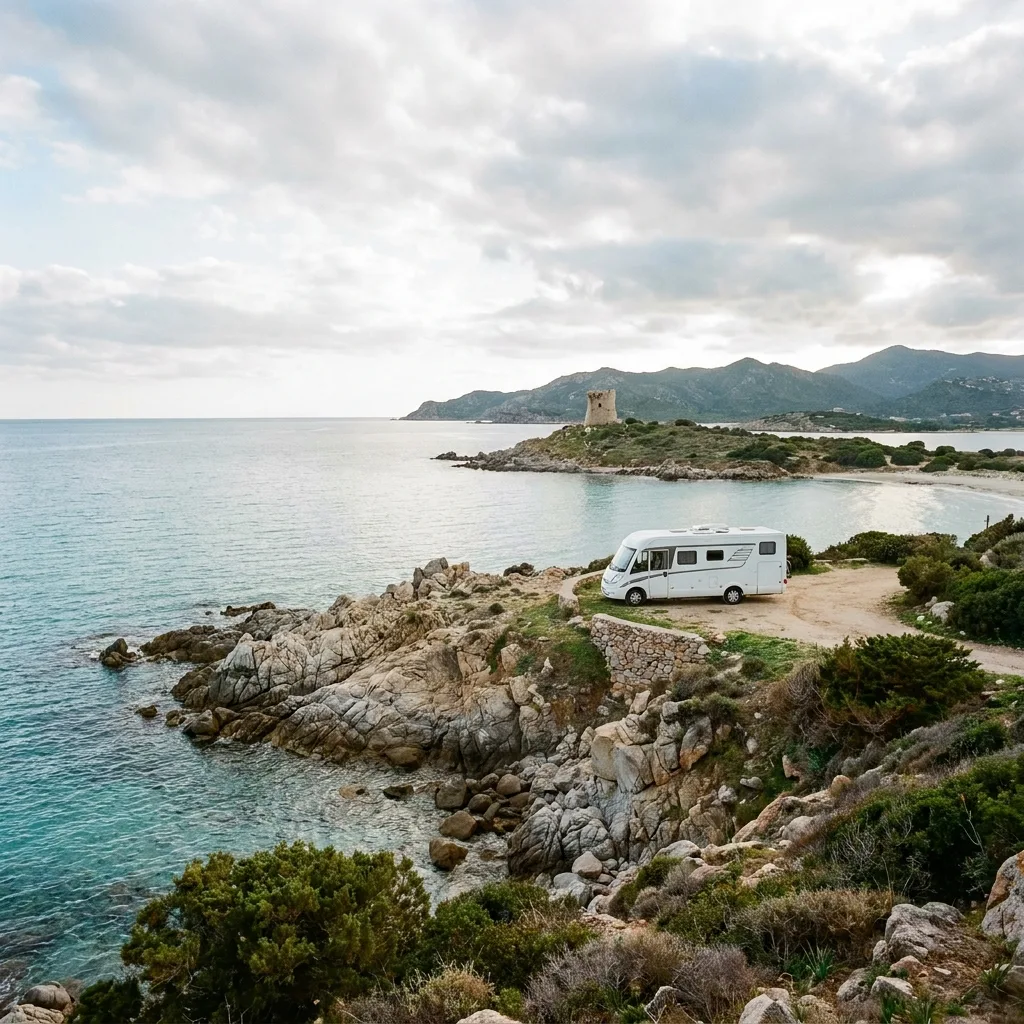
Cagliari is the capital of Sardinia and is situated on seven limestone hills overlooking the Golfo degli Angeli. In the medieval Castello district stands the Bastione di Saint Remy from 1901, connecting the upper town with the squares below. You can see pink flamingos in the Molentargius-Saline regional park and find the eight-kilometre-long sandy Poetto beach on the east side. You will also find a second-century Roman amphitheatre carved into the rocks.
Stop 16
Villasimius
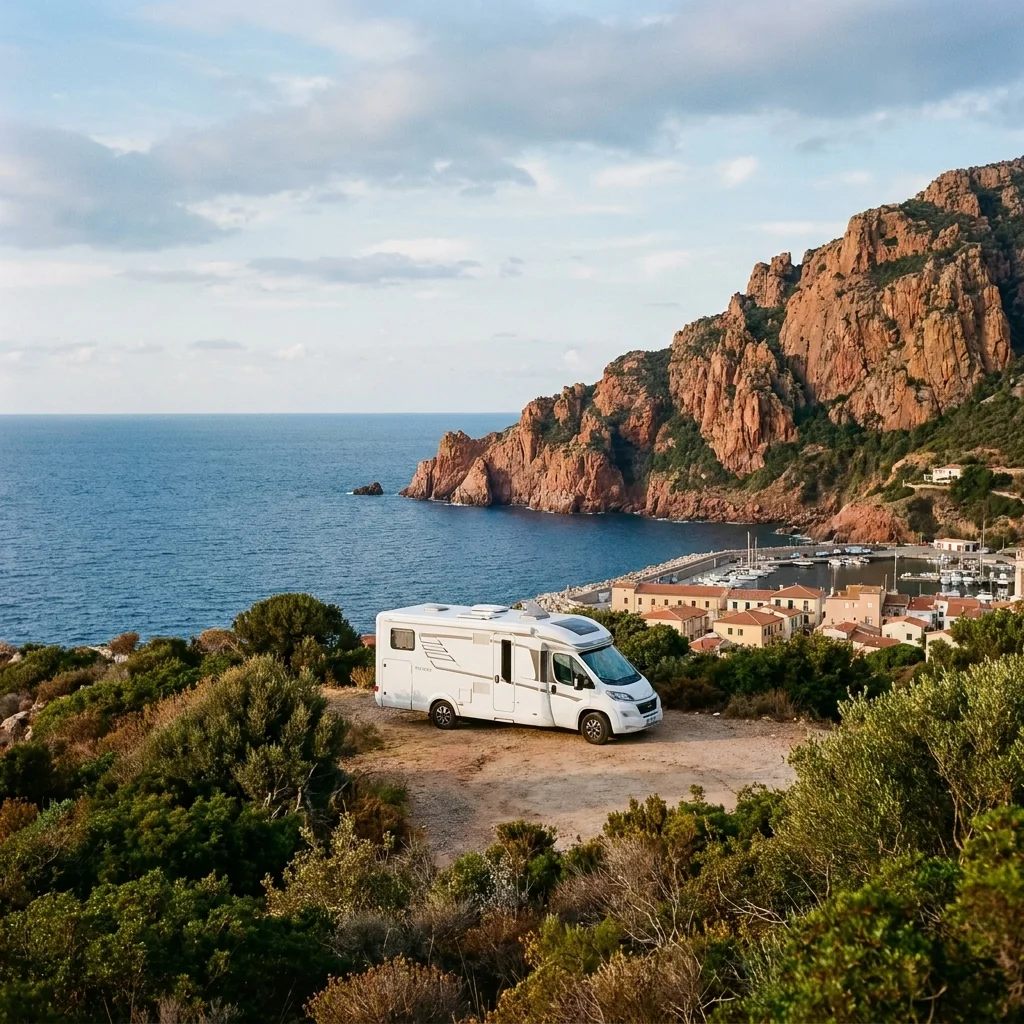
Villasimius beckons with its protected marine area and vibrant coastline. The Area Marina Protetta Capo Carbonara offers a rich underwater world. By Spiaggia Porto Giunco lies the salt lake Stagno di Notteri, where you can spot pink flamingos. A sixteenth-century Aragonese tower watches over the bay, with the rocky island Isola dei Cavoli offshore. The surroundings combine natural beauty with a touch of history, visible from the coastline.
Stop 17
Arbatax
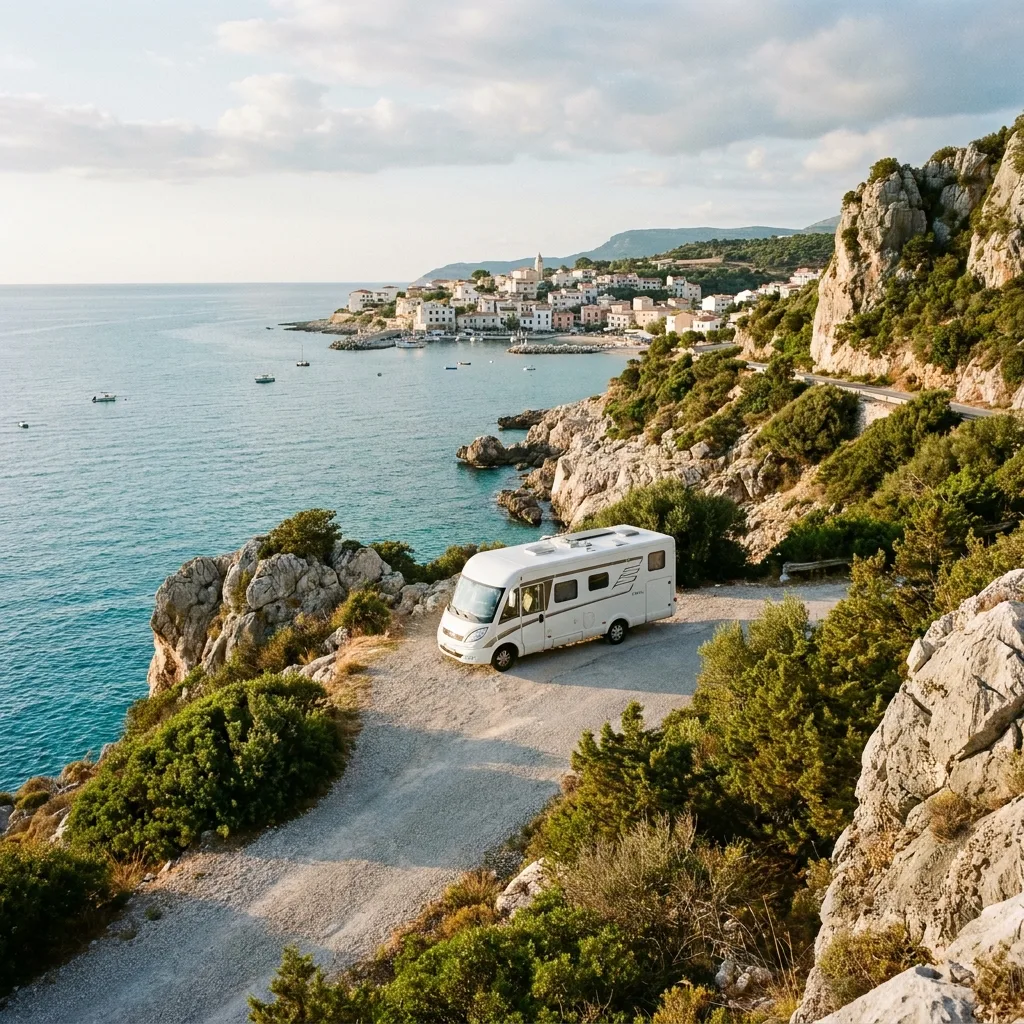
Near Arbatax, the Rocce Rosse, red porphyry rocks, rise directly from the sea, a striking sight by the harbour. The sixteenth-century Torre di San Gemiliano, a Spanish watchtower, offers expansive views over the coastline and the sandy beach of Cala Moresca. From the harbour, boats depart to explore the picturesque bays of the Golfo di Orosei. The harbour town combines the rugged beauty of the red rocks with a maritime atmosphere, where you can taste the salty sea air.
Stop 18
Cala Gonone
Cala Gonone is a coastal town on the Golfo di Orosei, located at the foot of the Supramonte mountains with limestone peaks over 1000 meters high. From the marina, you can visit the Grotte del Bue Marino by boat, a cave system where fresh and salt water meet. You can reach the white sandy beach of Cala Luna via hiking trails through the Mediterranean vegetation or across the waters of the Tyrrhenian Sea.
Stop 19
Olbia
Olbia is a port city in the Gallura region, known for the Romanesque Basilica San Simplicio from the eleventh century. At the Museo Archeologico on the islet of Peddone, you can view Roman shipwrecks, while the car-free Corso Umberto I leads to the quay. You can find peace in the eighteen-hectare city park Fausto Noce or taste local seafood dishes in the narrow side streets of the historic centre.
Ready to hit the road?
We'll email you a personal travel proposal within 24 hours — motorhome, route and full cost overview included. Save €400–€800 on average vs. a travel agency.
No packages, no middlemen. Learn how it works
Camproads gave me a lot of inspiration for our campervan trip. The routes are beautiful, with a good balance of nature and city life, and the route generator made planning super easy. It's also really handy that there are so many good camping options at the locations, and that you can easily find the campervan that suits your needs and compare prices. This way, we can plan everything ourselves and book the campervan directly with the rental company. That's much cheaper than an organized trip!
Michiel van de Bunt
February 2026
What a difference from how I used to plan trips. Through Camproads, I put together a complete campervan trip in just a few minutes. It's so easy to use, and you can customize everything to your liking. The ability to choose your travel pace makes it even more enjoyable, especially now that we're traveling with a baby for the first time.
Alieke Zelhorst
February 2026