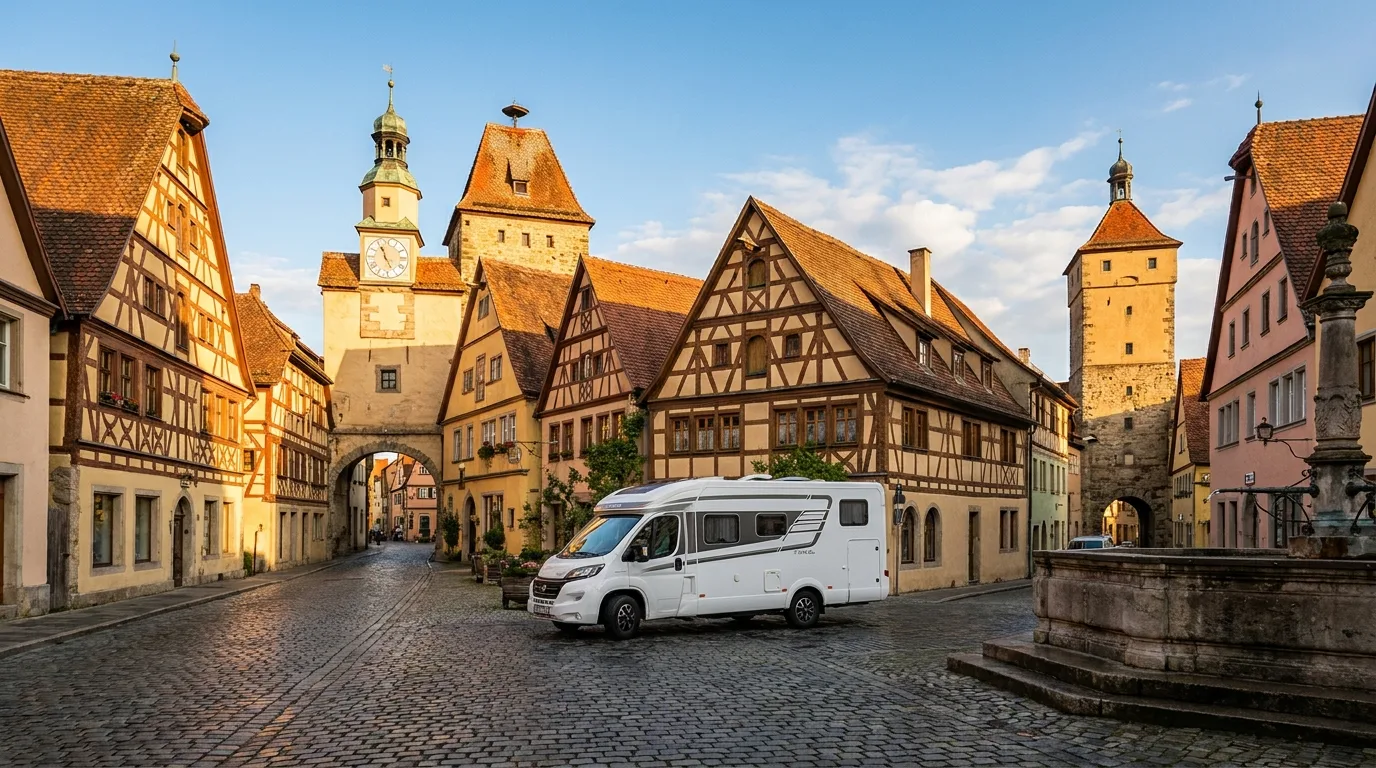
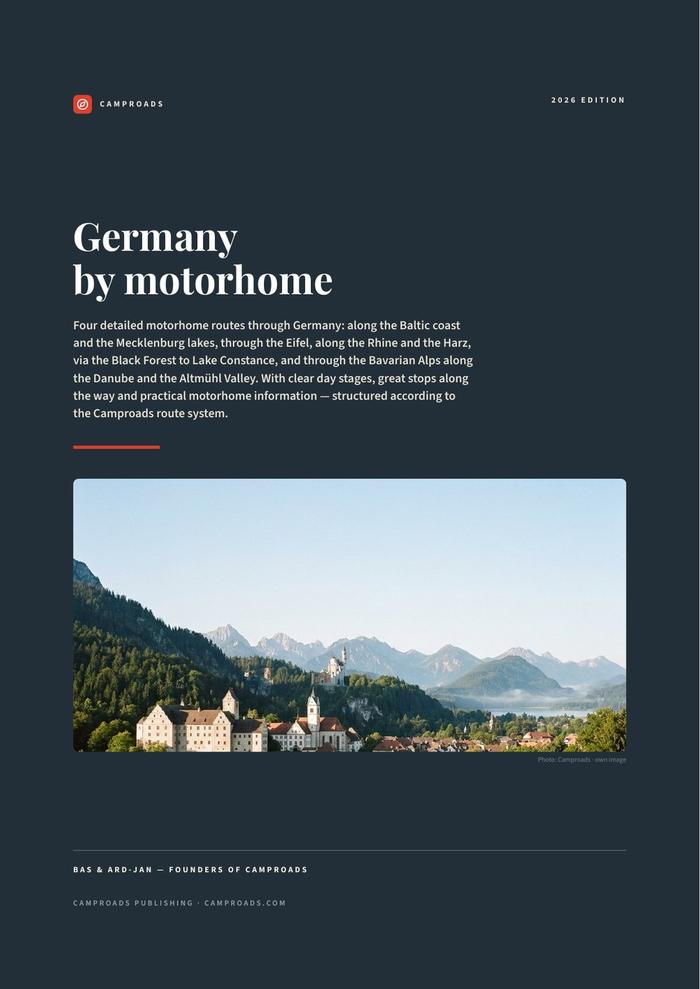
The complete Germany camper guide
Routes planned out day by day, with campsites and our honest tips. Instant PDF download.
€14.95
Instant download · NL, EN & DE
€14.95
Instant download · NL, EN & DE
Duration
x daysDistance
1631 km
stops
19
Choose a date and duration that fits your preferences
About this route
Highlights
- ✦Visit Würzburg Residence and Marienberg Fortress
- ✦Experience the medieval beauty of Rothenburg ob der Tauber
- ✦Discover Nördlingen's unique Ries crater and city walls
- ✦Explore UNESCO World Heritage in Bamberg and Franconian Switzerland
- ✦Admire Dresden's baroque grandeur along the Elbe
- ✦See the spectacular sandstone formations of Saxon Switzerland
- ✦Explore historic half-timbered houses and the Brocken in Harz
The route
Stop 1
Würzburg
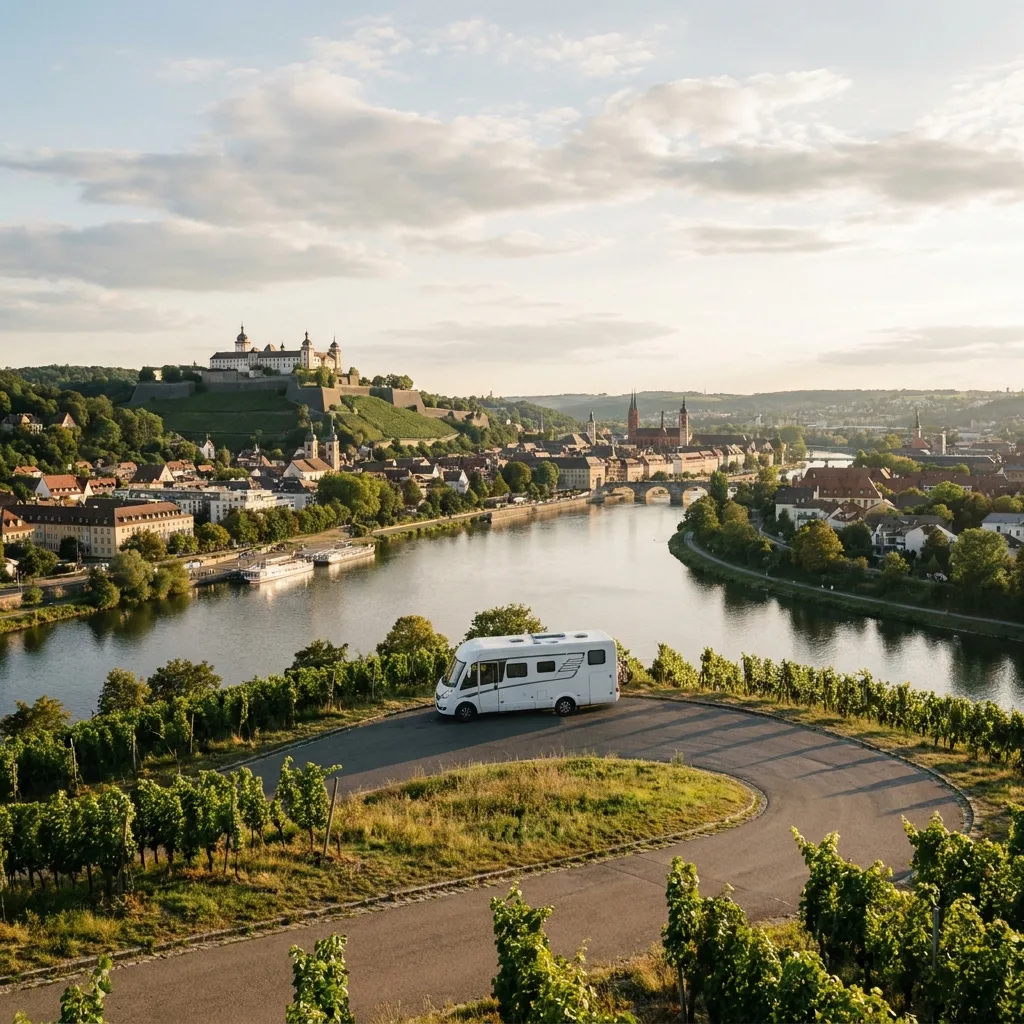
Würzburg combines Baroque splendour with a vibrant wine culture. The eighteenth-century Würzburg Residence, a Baroque palace, is a UNESCO World Heritage site. From the Alte Mainbrücke, you can enjoy expansive views over the river and the surrounding vineyards. Higher up on the ridge, Festung Marienberg, an imposing fortress, overlooks the city. Among the half-timbered houses of the lively city centre, you can taste the local Silvaner wines from Franconia.
Stop 2
Rothenburg ob der Tauber
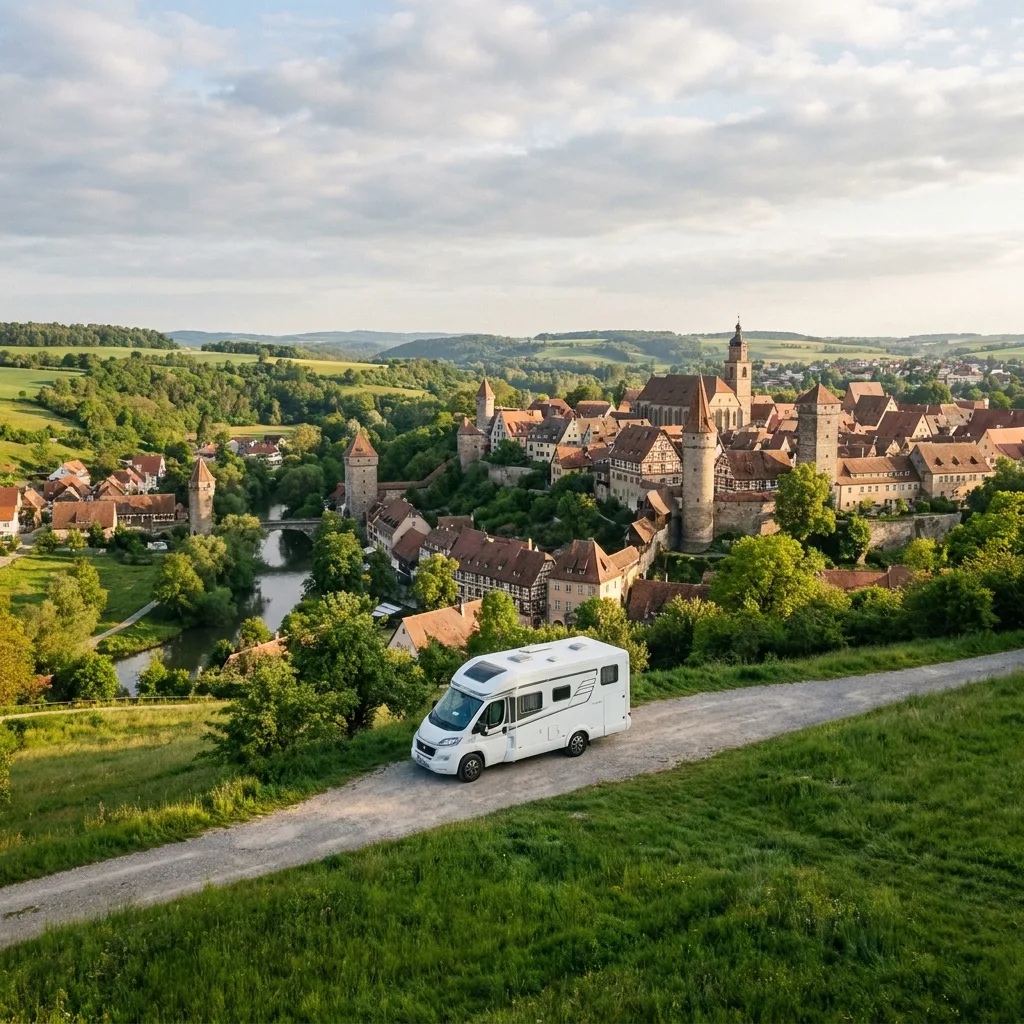
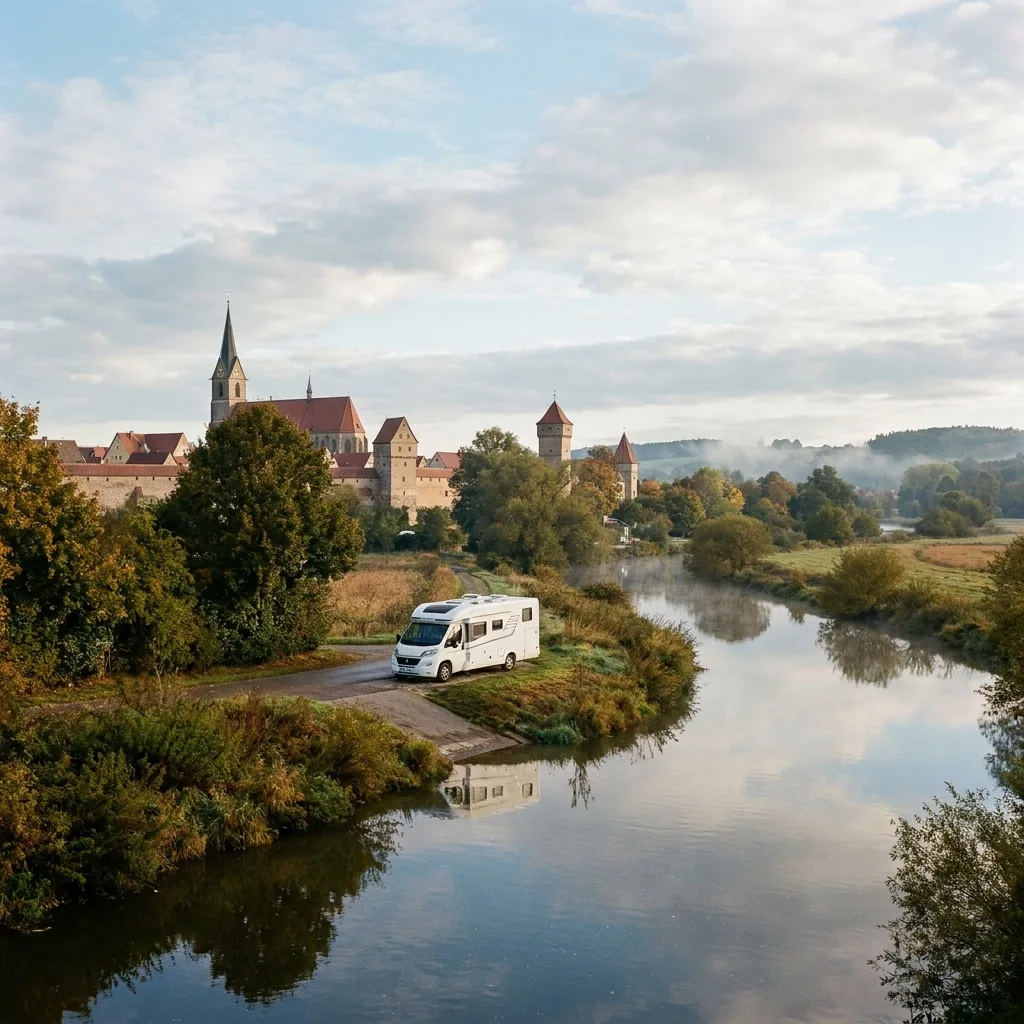
Rothenburg ob der Tauber is a medieval town in the Franconia region. You can walk along the 14th-century Rothenburger Stadtmauer for a view of the half-timbered houses and the Plönlein, a junction with a half-timbered house and 2 towers. In the St. Jakobskirche, you'll find the Heilig-Blut-Altar by woodcarver Tilman Riemenschneider, while the Rathaus on the Marktplatz combines Gothic and Renaissance elements.
Stop 3
Dinkelsbühl
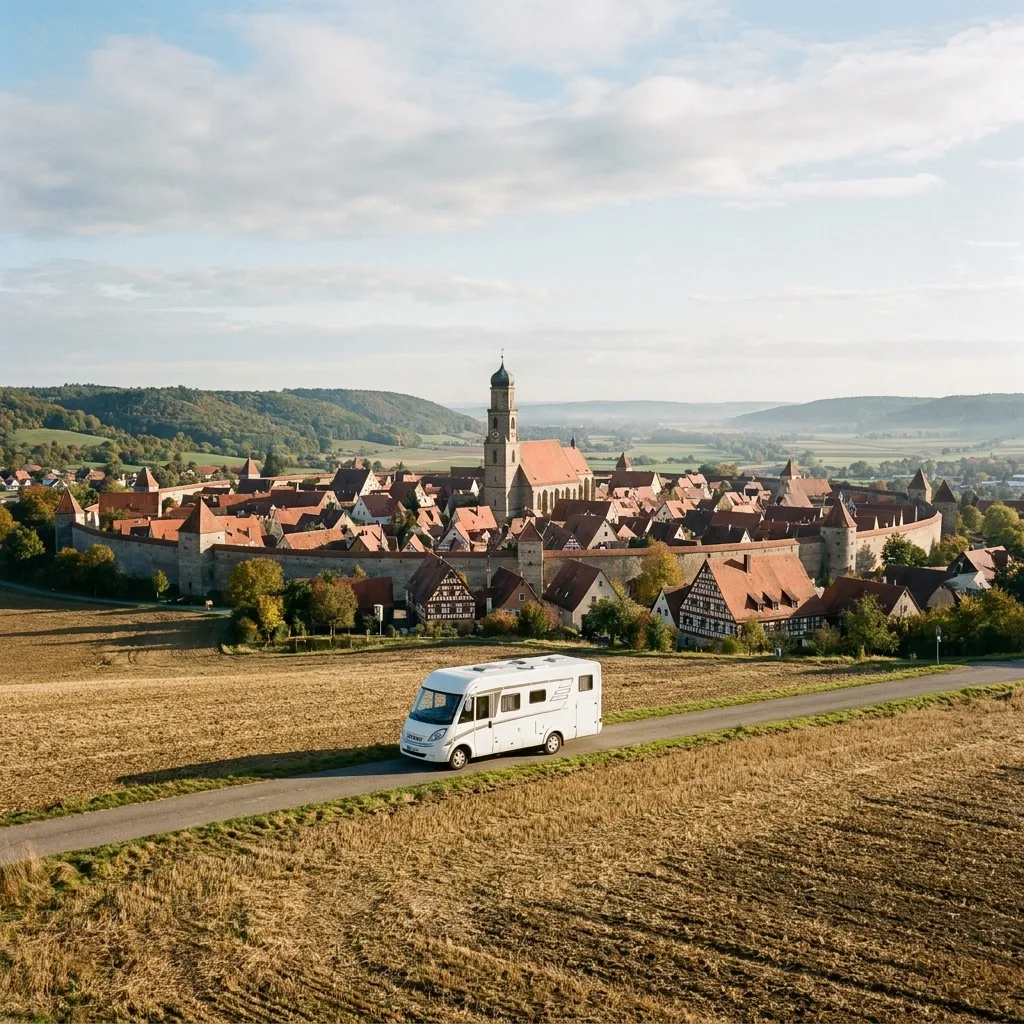
Dinkelsbühl is a town in Franconia with a perfectly preserved medieval town centre. Here you can walk along the city wall with sixteen towers and four gates, or visit the fifteenth-century St. Georgskirche on the Weinmarkt. The colourful half-timbered houses around this central square recall the town's trading history. Along the Wörnitz river, green parks invite you for a stroll just outside the walls.
Stop 4
Nördlingen
Nördlingen is located in the fifteen-million-year-old Ries Crater, a circular basin formed by a meteorite impact. You can walk along the 2.7-kilometer-long medieval city wall, the only one in Germany with a covered parapet walk that you can fully circumnavigate. In the center stands the late Gothic St. Georgskirche with the 90-meter-high Daniel-Kirchturm, and the Rieskrater-Museum showcases the geological history of the region.
Stop 5
Nuremberg
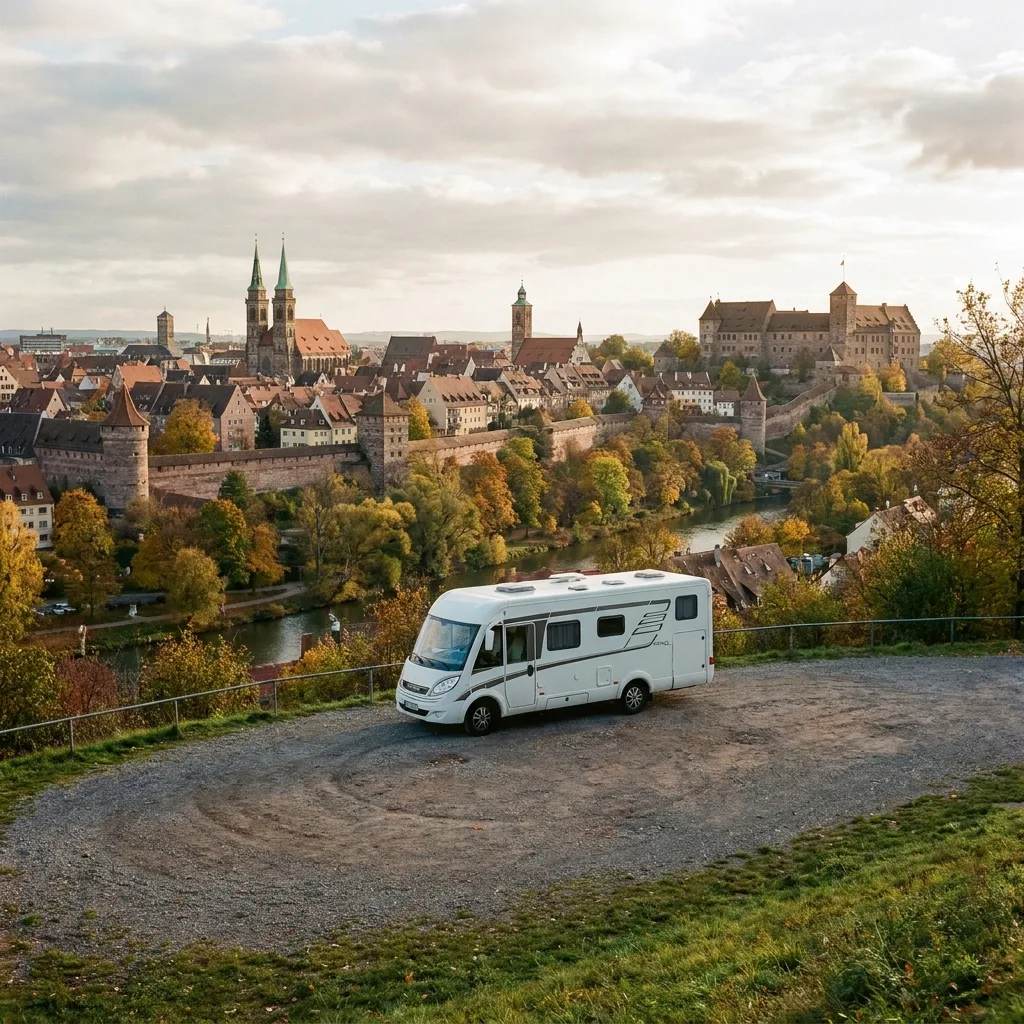
Nuremberg impresses with a medieval center where the history of the Holy Roman Empire remains recognizable. Above the red roofs, the eleventh-century Kaiserburg Nürnberg towers, offering views over the entire city. On the Hauptmarkt, half-timbered houses stand around the stalls of the daily market. The Memorium Nürnberger Prozesse highlights the trials that took place here in 1945. Along the Pegnitz, a relaxed atmosphere prevails, while the Maxbrücke offers a picturesque view of the city wall.
Stop 6
Bamberg
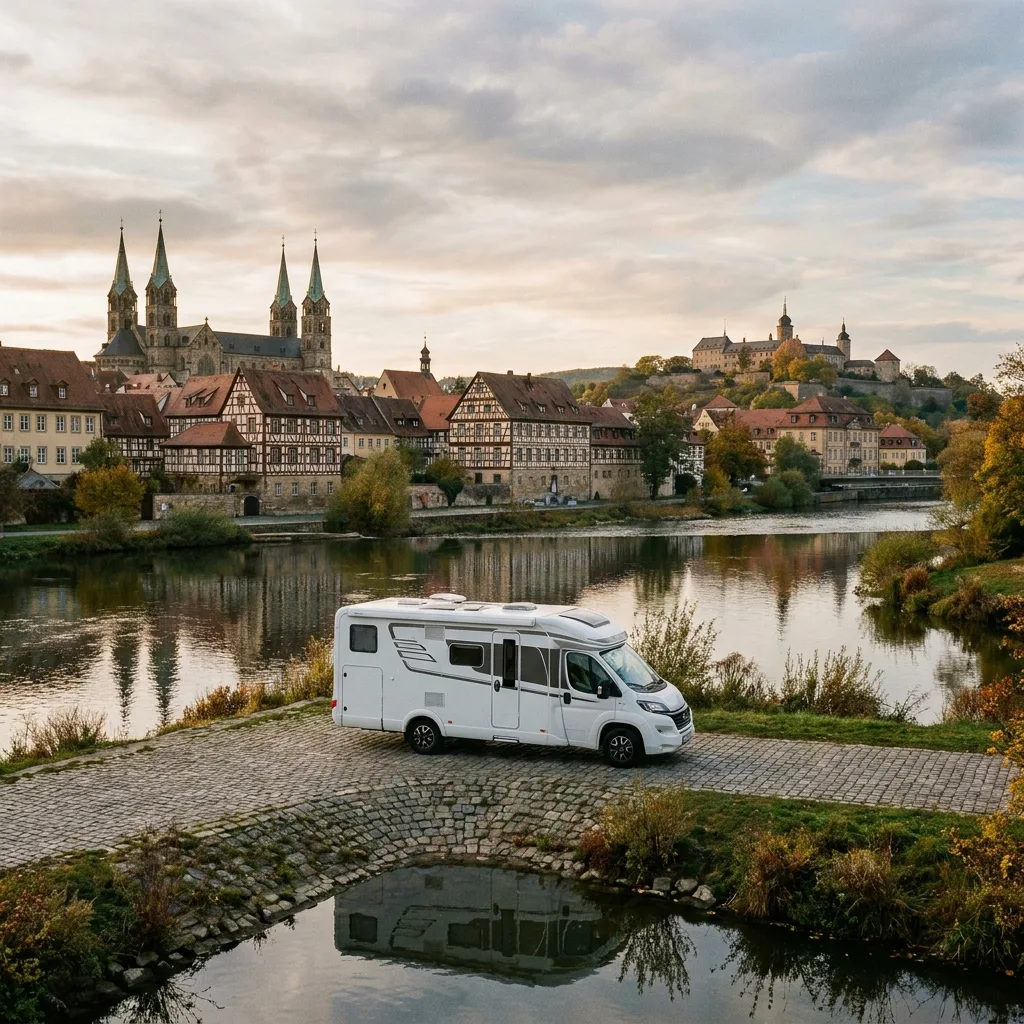
Bamberg owes its atmospheric character to the seven hills on which it is built and the unique location of the Altes Rathaus. This town hall from 1387 stands on an artificial island in the Regnitz river. On the Domberg, the Bamberger Dom towers above the city. In the former fishing district Klein Venedig, you can admire charming half-timbered houses along the riverbank. In the lively Altstadt, you can taste Rauchbier at craft breweries, amidst the historic facades.
Stop 7
Franconian Switzerland
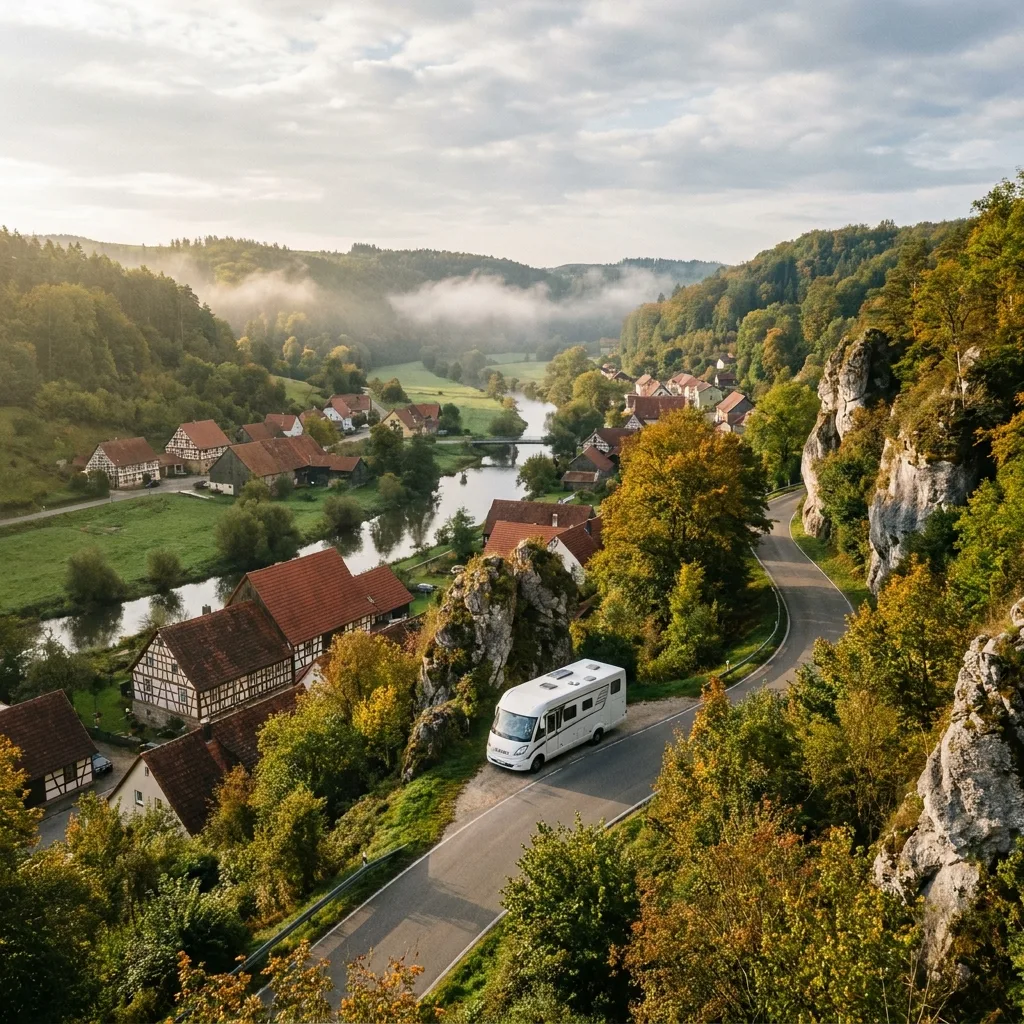
The Fränkische Schweiz surprises you with a Bavarian low mountain range full of limestone formations and hundreds of caves. In the Teufelshöhle near Pottenstein, you will discover one of Germany's largest dripstone caves. The eleventh-century Burg Gößweinstein dominates the landscape. You can canoe on the Wiesent river through the picturesque Wiesenttal. The region boasts over 70 small family breweries for local beers. You can taste the pleasant atmosphere everywhere, from the cozy breweries to the paths along the rock formations.
Stop 8
Bayreuth
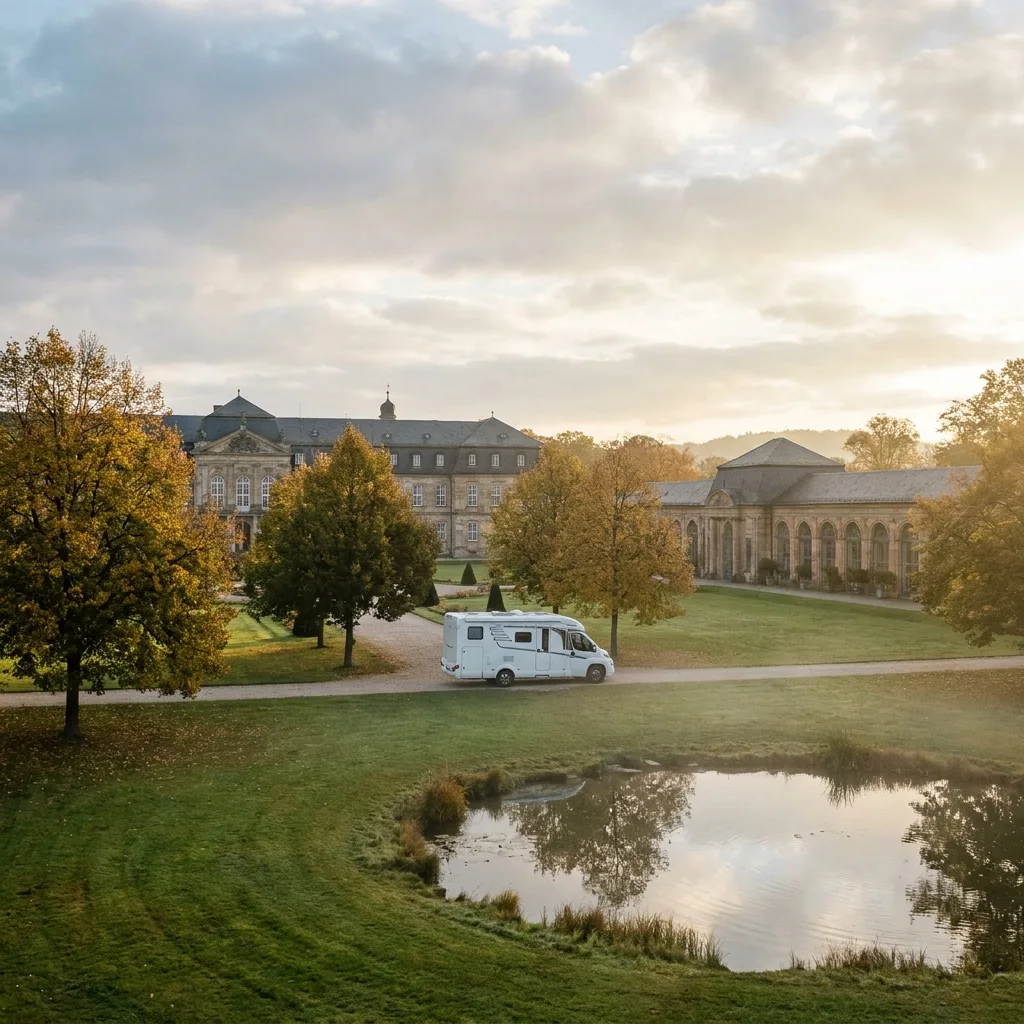
Bayreuth attracts lovers of Baroque theatre architecture with opulent theatres and parks. In the Markgräfliches Opernhaus, a UNESCO World Heritage site, you can see the painted wooden boxes. Stroll through the eighteenth-century Eremitage park past fountains, grottoes, and palaces. On the Grüner Hügel, operas resound during the annual Wagner-Festspiele in the Richard-Wagner-Festspielhaus. The city feels stately as well-dressed visitors gather by the fountains.
Stop 9
Ore Mountains
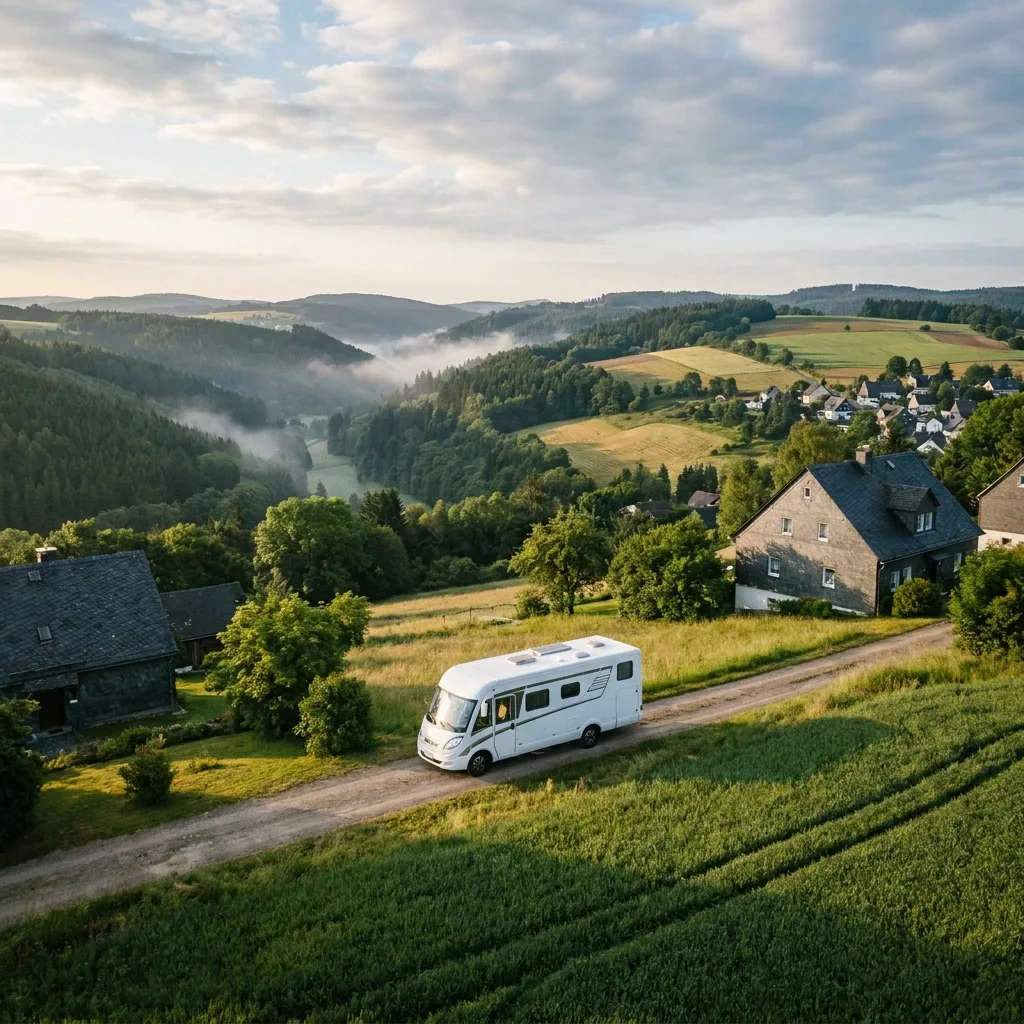
The Erzgebirge, a low mountain range on the German-Czech border, has been a UNESCO World Heritage site since 2019, recognized for its 800-year-old mining tradition. Annaberg-Buchholz features the sixteenth-century St. Annenkirche, and the Fichtelberg, at 1215 meters, is Saxony's highest point. Discover historical techniques at the Frohnauer Hammer, a 1436 hammer mill, and observe local wood carving art in villages along the ridges.
Want to actually take this trip?
We put together the complete package for you — motorhome, ferry, campsites — in one personal email.
Stop 10
Meissen
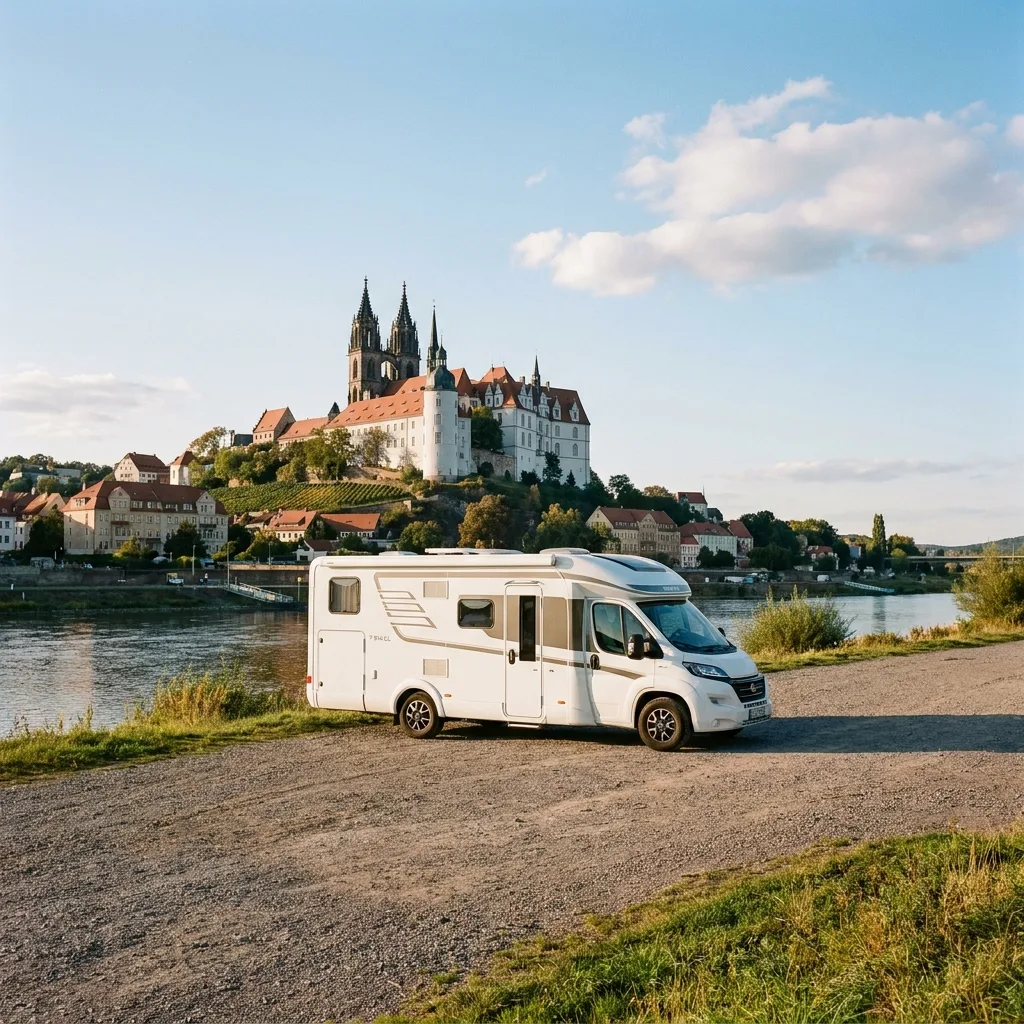
The exquisite porcelain from the famous Porzellan-Manufaktur Meissen brought worldwide fame to the city. Above the Elbe, Albrechtsburg towers, a late Gothic castle with richly decorated halls. The pointed spires of the Meißner Dom, alongside the castle, define the appearance of the Schlossberg. Those leaving the city can walk among the vineyards of the Sächsische Weinstraße on the steep slopes. A lively atmosphere prevails in the market square among the colorful facades of the historic townhouses.
Stop 11
Dresden
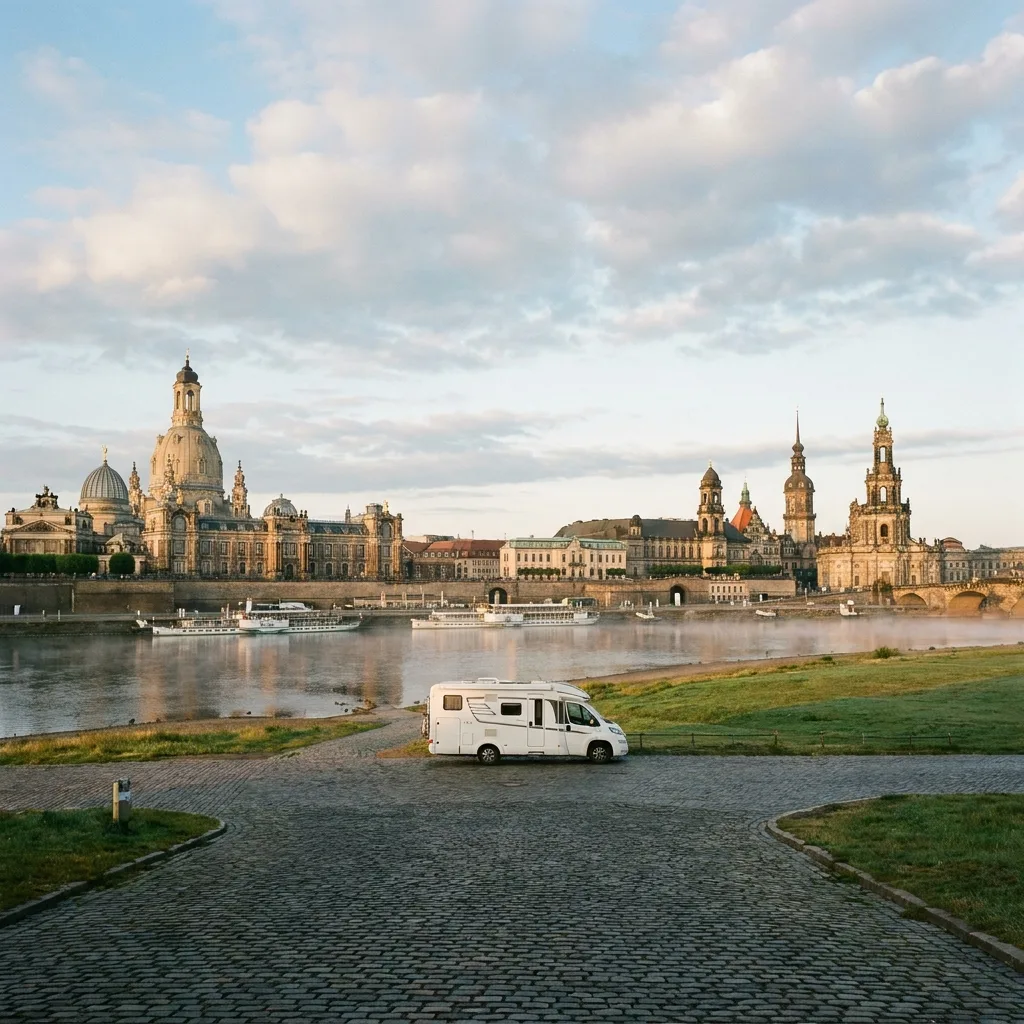
Dresden is the capital of Saxony and is located on the Elbe. In the Old Town, you can visit the Frauenkirche, which was rebuilt with its original stones between 1994 and 2005 after its destruction in 1945. The eighteenth-century Zwinger complex and the Semperoper define the cityscape, while the Neustadt on the opposite side showcases street art. From the Brühlsche Terrasse, you can overlook the river and the paddle steamers.
Stop 12
Saxon Switzerland
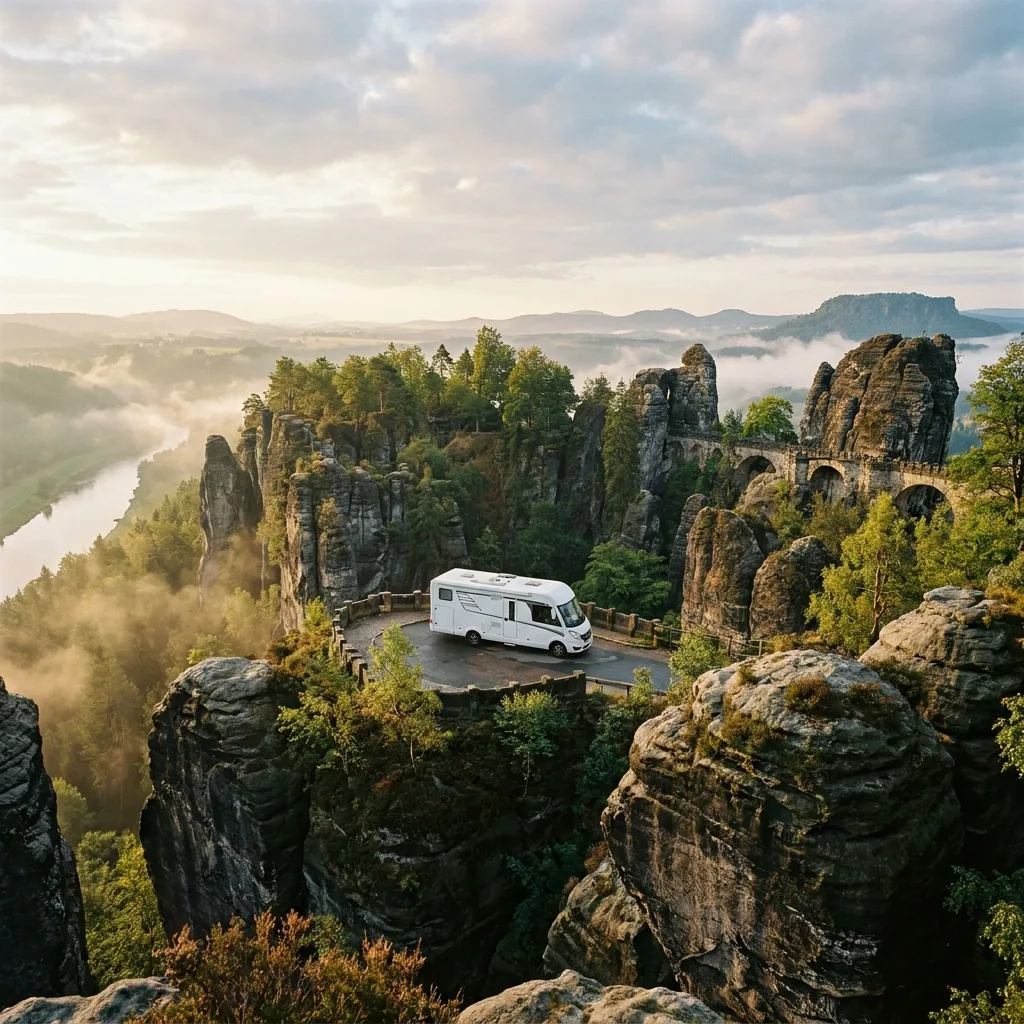
Saxon Switzerland is a national park in Saxony characterized by sandstone formations along the Elbe River. You can walk across the Basteibrücke, a stone bridge from 1851 that extends 194 meters above the river. From the 415-meter-high table mountain Lilienstein, you can overlook the region, while Festung Königstein is one of Europe's largest mountain fortresses. The grounds of this fortress cover 9.5 hectares and are located 240 meters above the water surface.
Stop 13
Görlitz
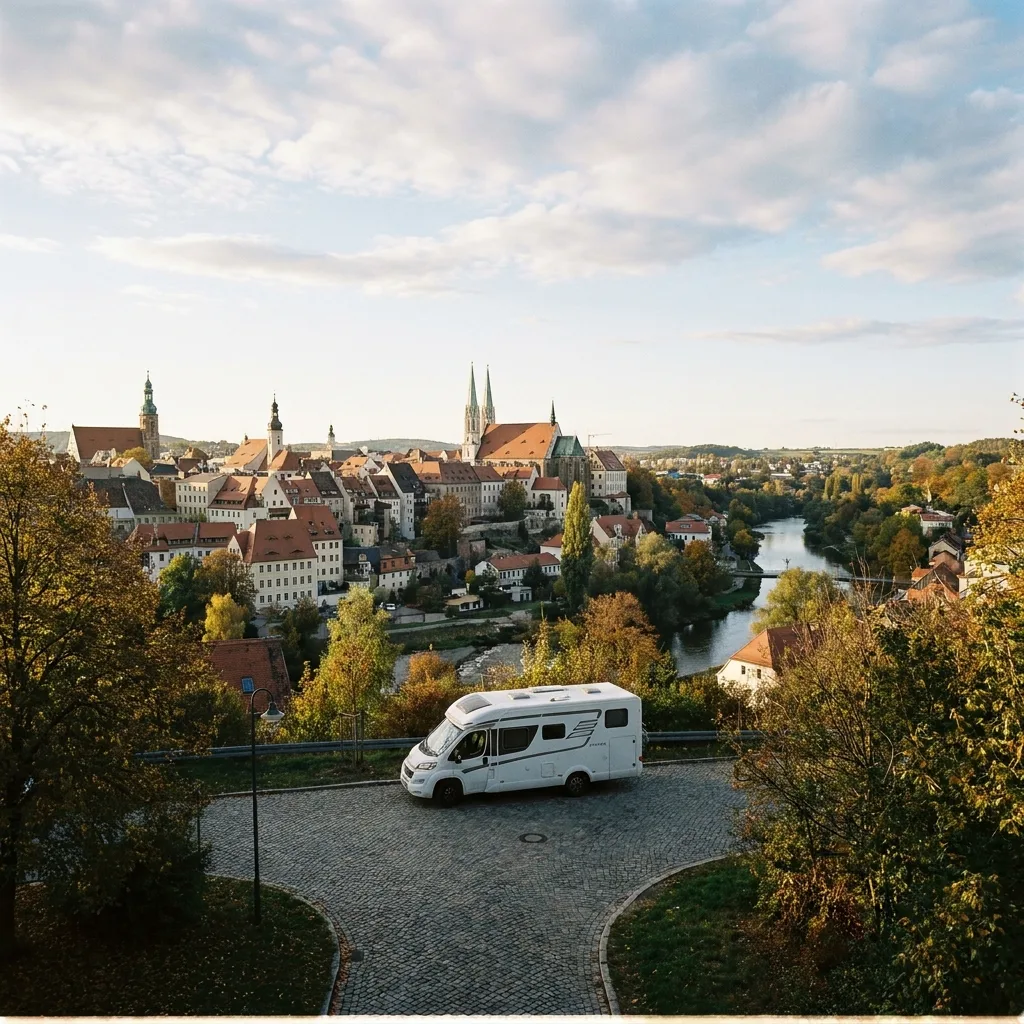
Görlitz is Germany's easternmost city and boasts nearly 4,000 monuments from the Renaissance, Baroque, and Art Nouveau periods. On the Untermarkt, you can admire the town hall with an astronomical clock from 1524, while the Pfarrkirche St. Peter dominates the skyline with its Sonnenorgel. You can walk across the pedestrian bridge over the Neisse directly to the Polish sister city Zgorzelec or visit the Heiliges Grab, a 15th-century religious monument.
Stop 14
Leipzig
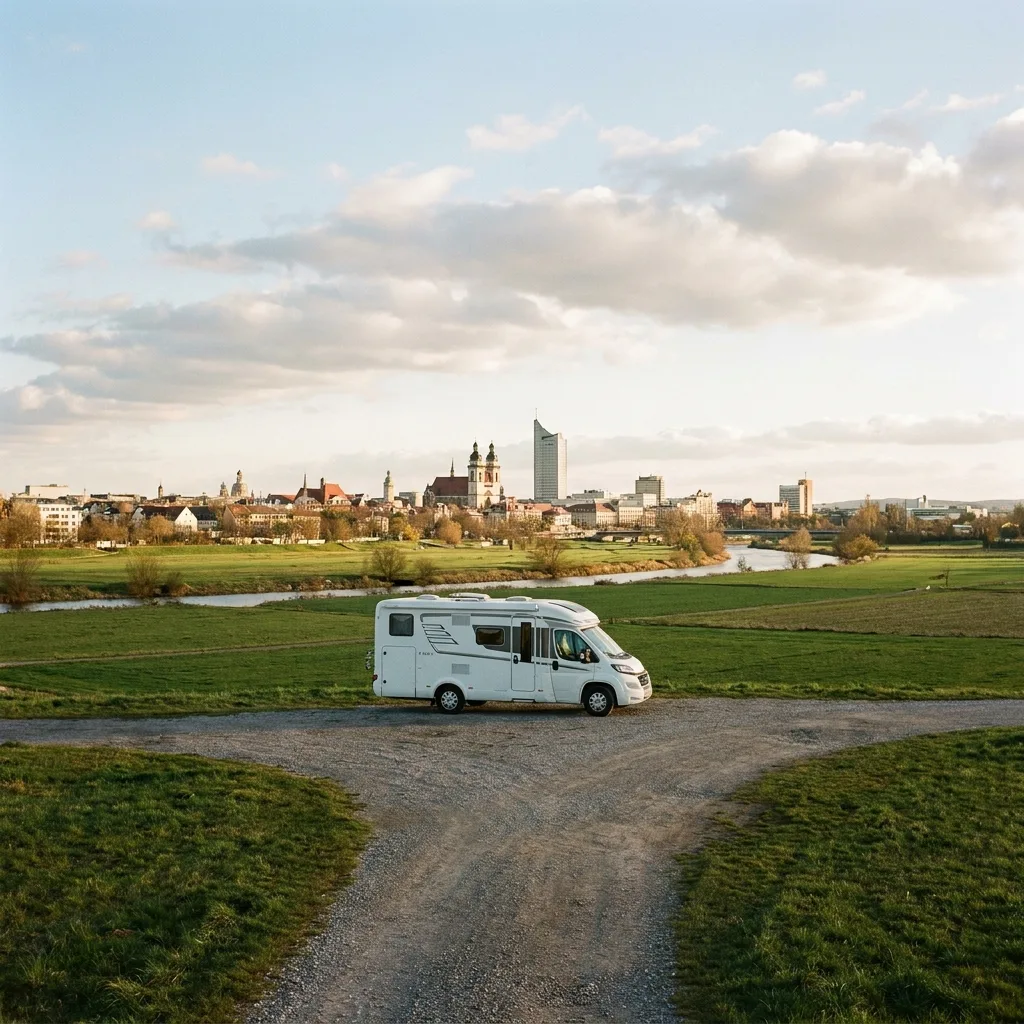
Leipzig is a city in Saxony known for the 91-meter-high Völkerschlachtdenkmal, a monument commemorating the battle of 1813. In the city center, you'll find the Nikolaikirche, the starting point of the peaceful revolution in 1989. The Mädlerpassage from 1912 houses shops and the historic Auerbachs Keller under a glass roof. South of the city lie the lakes of the Neuseenland, formed from former open-cast mines.
Stop 15
Quedlinburg
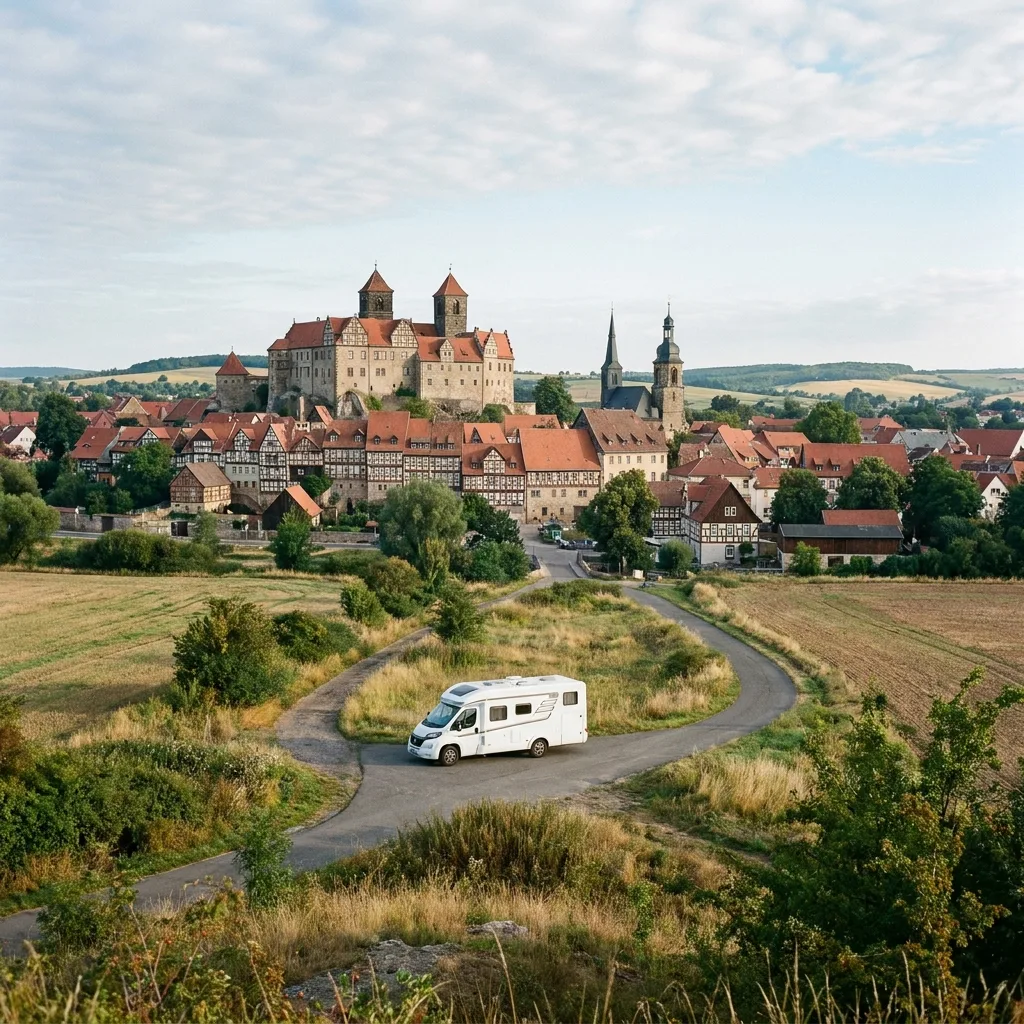
Quedlinburg, a UNESCO World Heritage city, boasts over 1,300 half-timbered houses spanning six centuries. Through the cobblestone streets, you reach the Schlossberg, where the Romanesque Stiftskirche St. Servatius from the twelfth century towers. From this point, you look out over the red roofs of the city center and the rolling hills. The many half-timbered houses and the imposing Stiftskirche create a charming atmosphere during your stroll through the old alleys.
Stop 16
Wernigerode
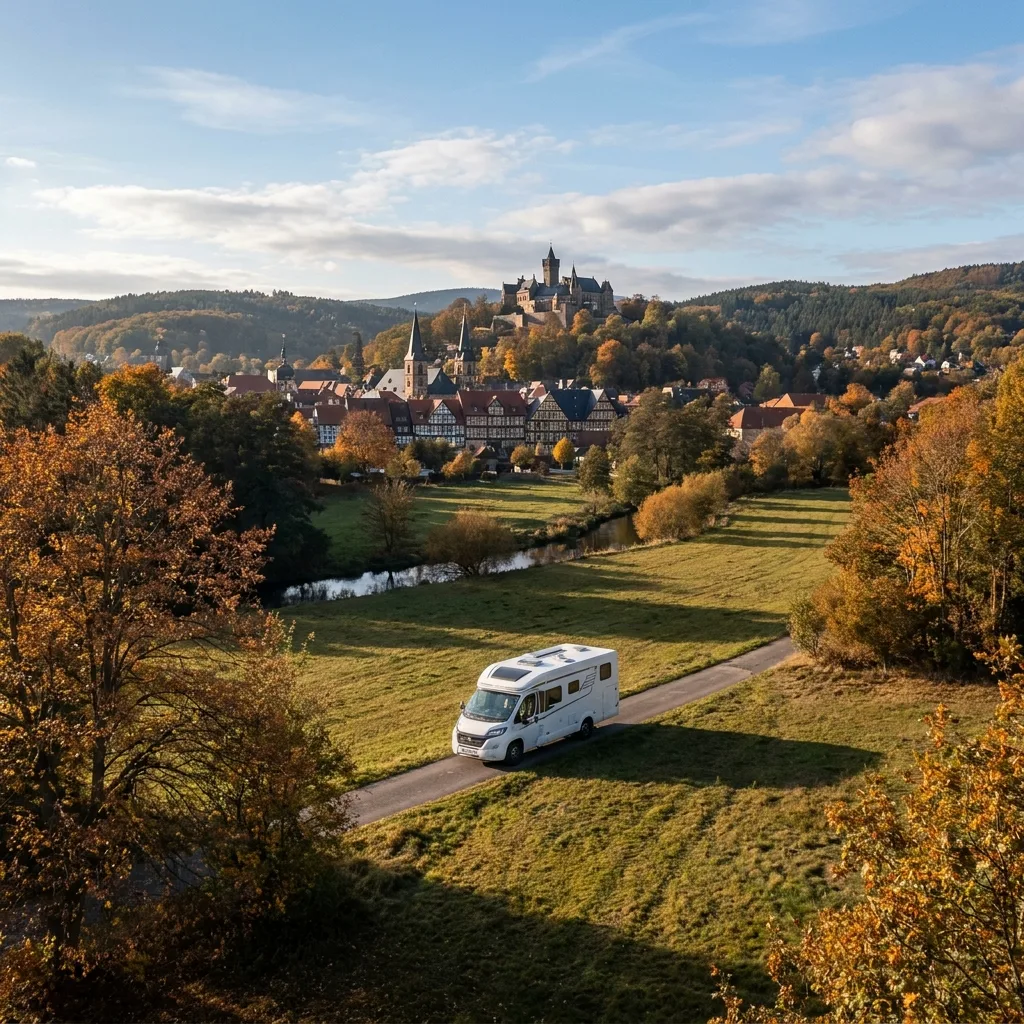
Historic half-timbered architecture adorns the car-free centre of Wernigerode. The fifteenth-century Rathaus with its pointed towers dominates the market square. Higher up on the hill stands Schloss Wernigerode, from where you have a panoramic view of the surroundings. From the station of the Harzer Schmalspurbahnen, the steam train departs to the 1141-meter-high Brocken. The charming atmosphere of the city comes alive in the narrow streets around the Rathaus.
Stop 17
Harz
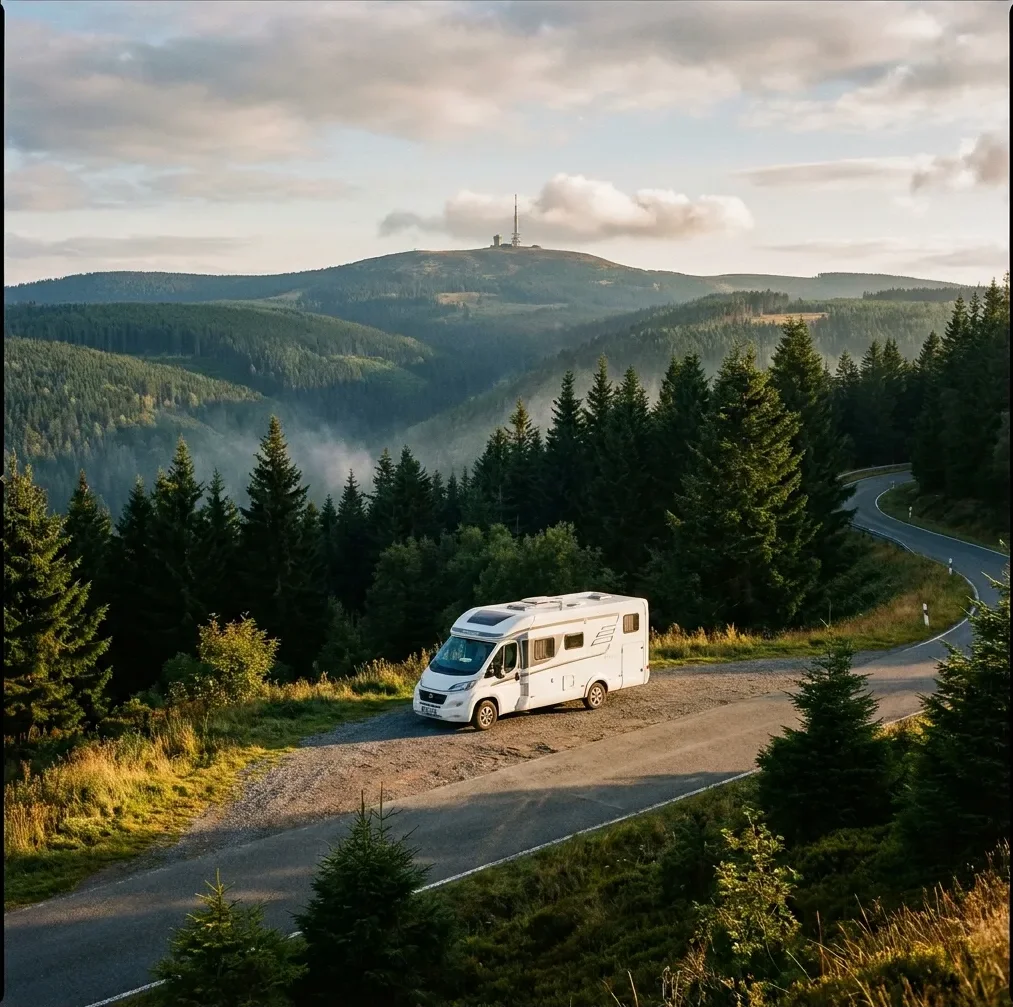
The Harz surprises with its rugged mountain landscape and historic steam trains. You can reach the Brocken, at 1141 meters the highest mountain, with the Harzer Schmalspurbahnen or via hiking trails along granite formations and high moors. In the Brockenhaus, you learn about the nature and history of this former border region. Charming towns with characteristic half-timbered architecture invite you for a stroll through their historic streets. The Nationalpark Harz is a diverse area where you can actively explore nature.
Stop 18
Goslar
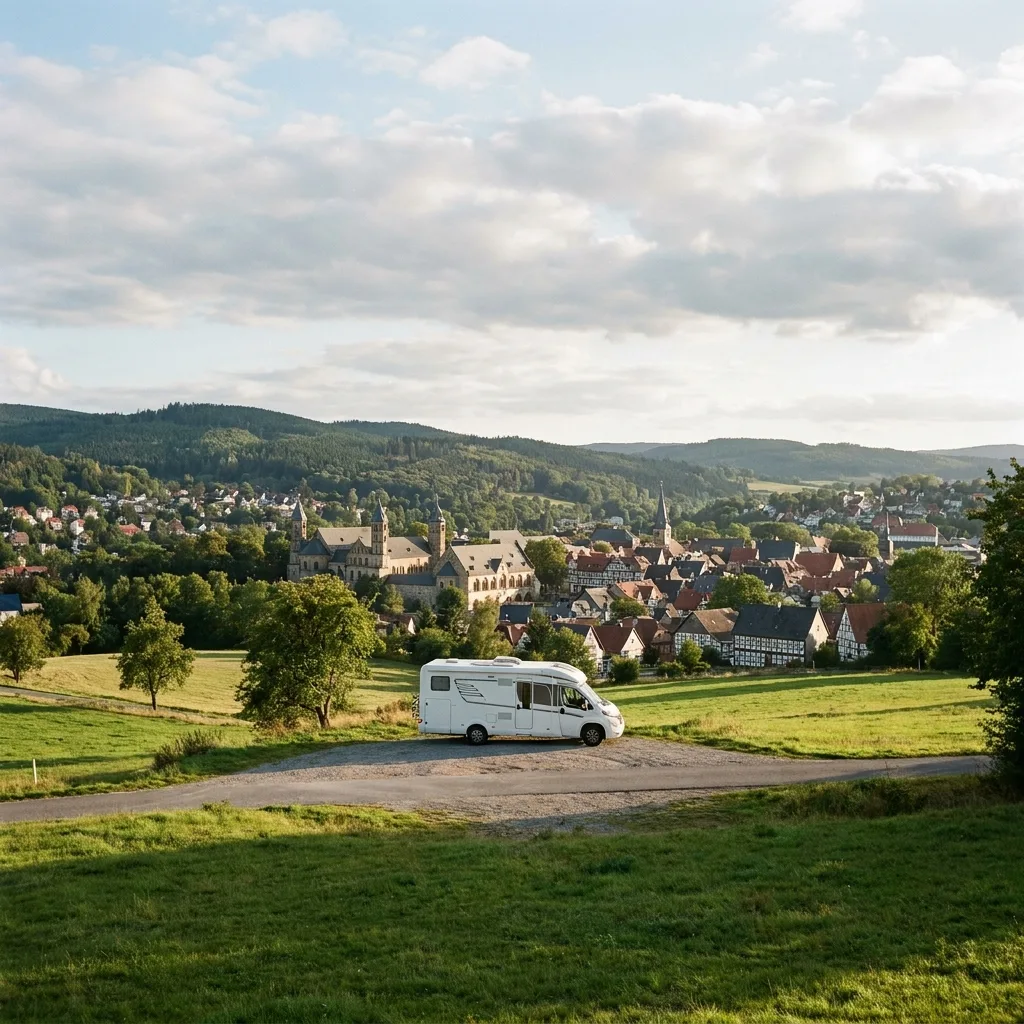
Goslar is a former imperial city at the foot of the Harz, with a historic center that boasts hundreds of half-timbered houses. The eleventh-century Kaiserpfalz recalls the power of the Holy Roman Empire, while the nearby Rammelsberg showcases a thousand-year-old mining tradition. You can climb the uneven towers of the Marktkirche St. Cosmas for a view over the city and the forested slopes of the Harz.
Stop 19
Würzburg
Würzburg combines Baroque splendour with a vibrant wine culture. The eighteenth-century Würzburg Residence, a Baroque palace, is a UNESCO World Heritage site. From the Alte Mainbrücke, you can enjoy expansive views over the river and the surrounding vineyards. Higher up on the ridge, Festung Marienberg, an imposing fortress, overlooks the city. Among the half-timbered houses of the lively city centre, you can taste the local Silvaner wines from Franconia.
Ready to hit the road?
We'll email you a personal travel proposal within 24 hours — motorhome, route and full cost overview included. Save €400–€800 on average vs. a travel agency.
No packages, no middlemen. Learn how it works
Camproads gave me a lot of inspiration for our campervan trip. The routes are beautiful, with a good balance of nature and city life, and the route generator made planning super easy. It's also really handy that there are so many good camping options at the locations, and that you can easily find the campervan that suits your needs and compare prices. This way, we can plan everything ourselves and book the campervan directly with the rental company. That's much cheaper than an organized trip!
Michiel van de Bunt
February 2026
What a difference from how I used to plan trips. Through Camproads, I put together a complete campervan trip in just a few minutes. It's so easy to use, and you can customize everything to your liking. The ability to choose your travel pace makes it even more enjoyable, especially now that we're traveling with a baby for the first time.
Alieke Zelhorst
February 2026