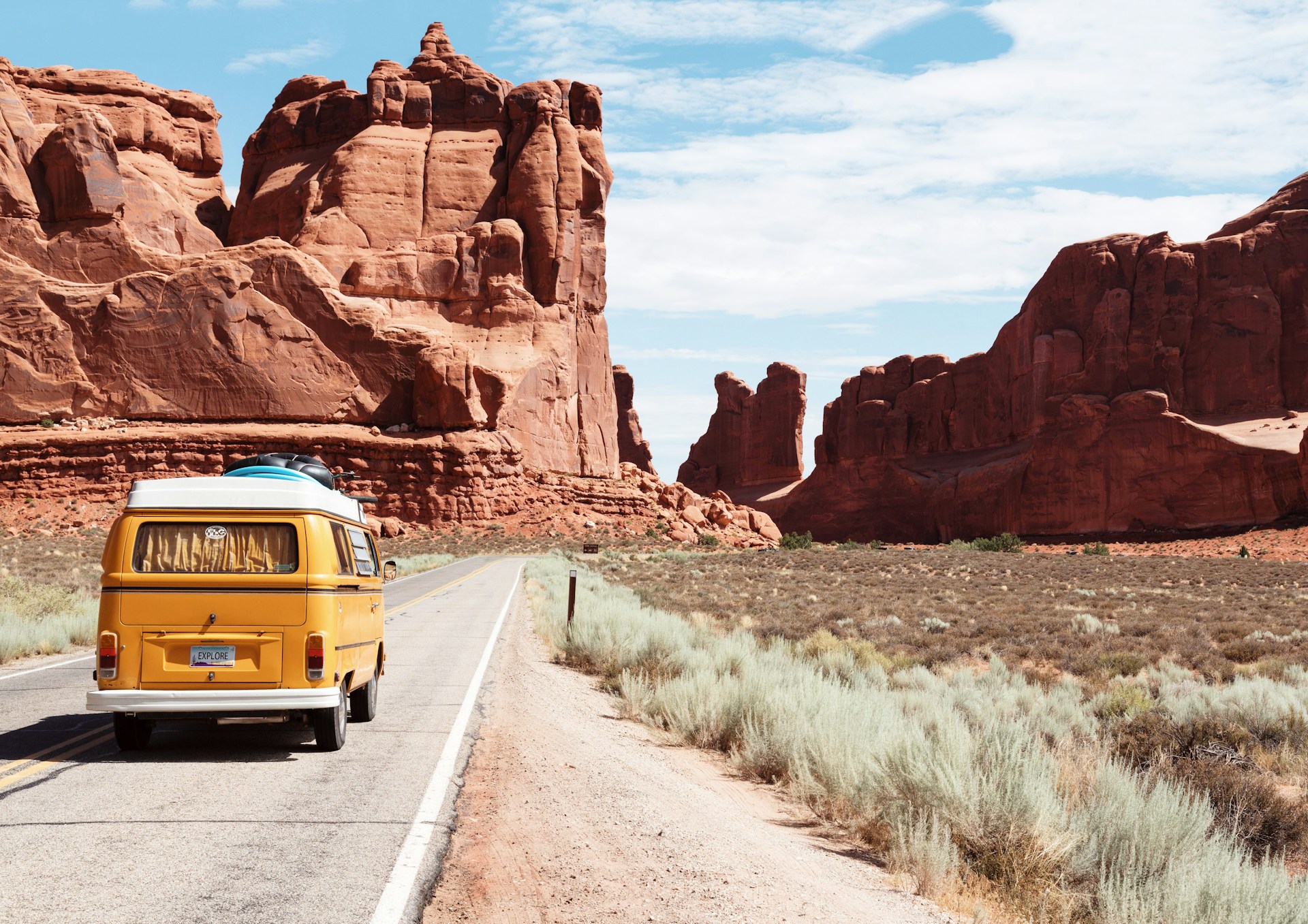
Take this trip by motorhome
Save €400–€800 on average vs. a travel agency
Duration
x daysDistance
0 km
stops
0
Choose a date and duration that fits your preferences
About this route
Highlights
- ✦Verken de keizerlijke grandeur van Schloss Schönbrunn in Wenen
- ✦Rijd langs de Donau door de UNESCO-werelderfgoed Wachau-vallei
- ✦Bewonder het barokke Stift Melk, hoog boven de rivier
- ✦Wandel door de ongerepte natuur van Nationalpark Thayatal
- ✦Bezoek de imposante Burg Riegersburg in Stiermarken
- ✦Proef de sfeer langs de Steirische Weinstrasse
- ✦Geniet van het uitzicht over de turquoise Wörthersee vanaf de Pyramidenkogel
The route
Stop 1
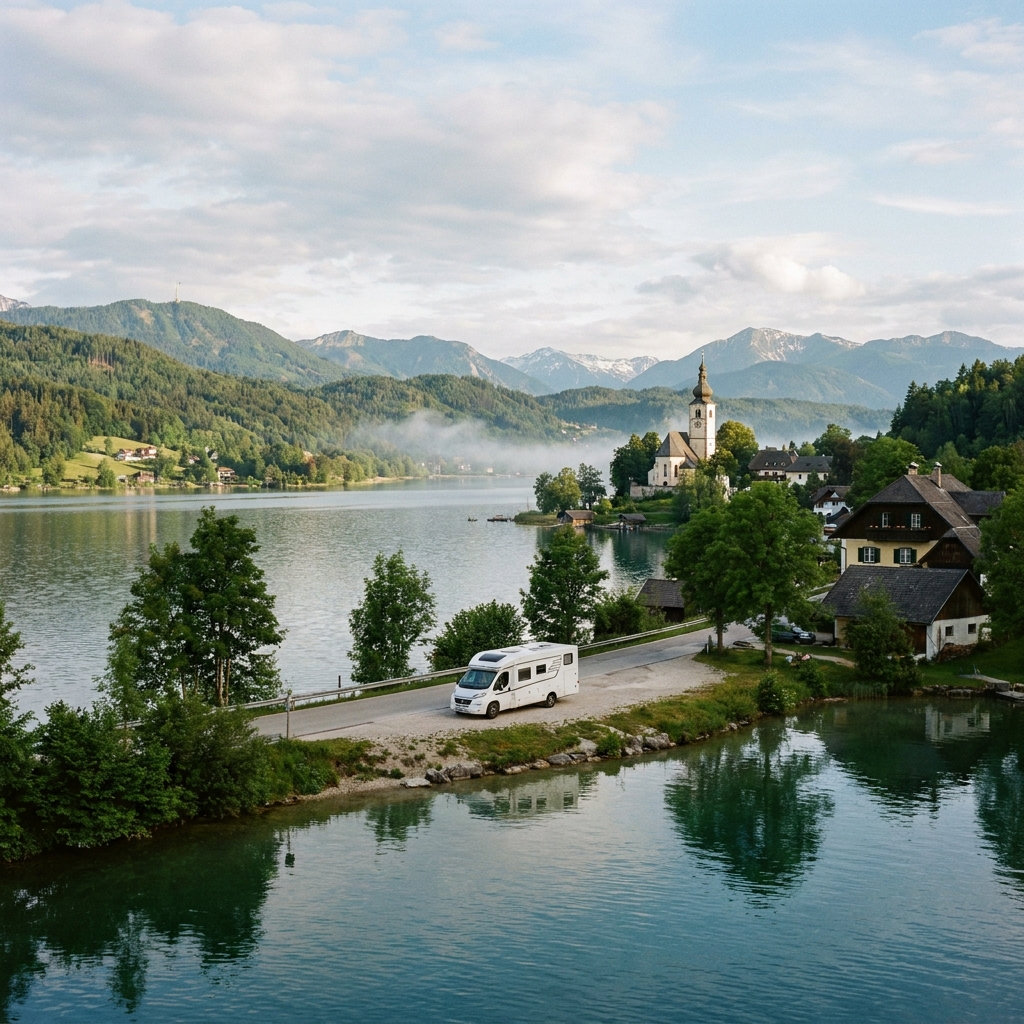
Wörthersee
The Wörthersee is the largest lake in Carinthia and is known for its striking turquoise color. Along its shores, you'll find elegant towns such as Velden, where the distinctive yellow Schloss Velden is situated right on the water. On the Maria Wörth peninsula, the historic churches form a recognizable silhouette against the backdrop of the mountains. For expansive views of the region, the wooden observation tower on the Pyramidenkogel offers a panoramic perspective. The roads around the lake lead past stately villas in the typical Wörthersee architecture and various public swimming beaches. Visitors can go boating, hike through the surrounding forests, or relax on one of the many lakeside terraces. Its sheltered location in the southern Alps ensures pleasant water temperatures throughout the summer months. The area offers a mix of lively resorts and tranquil nature trails in the immediate hilly surroundings.
Stop 2
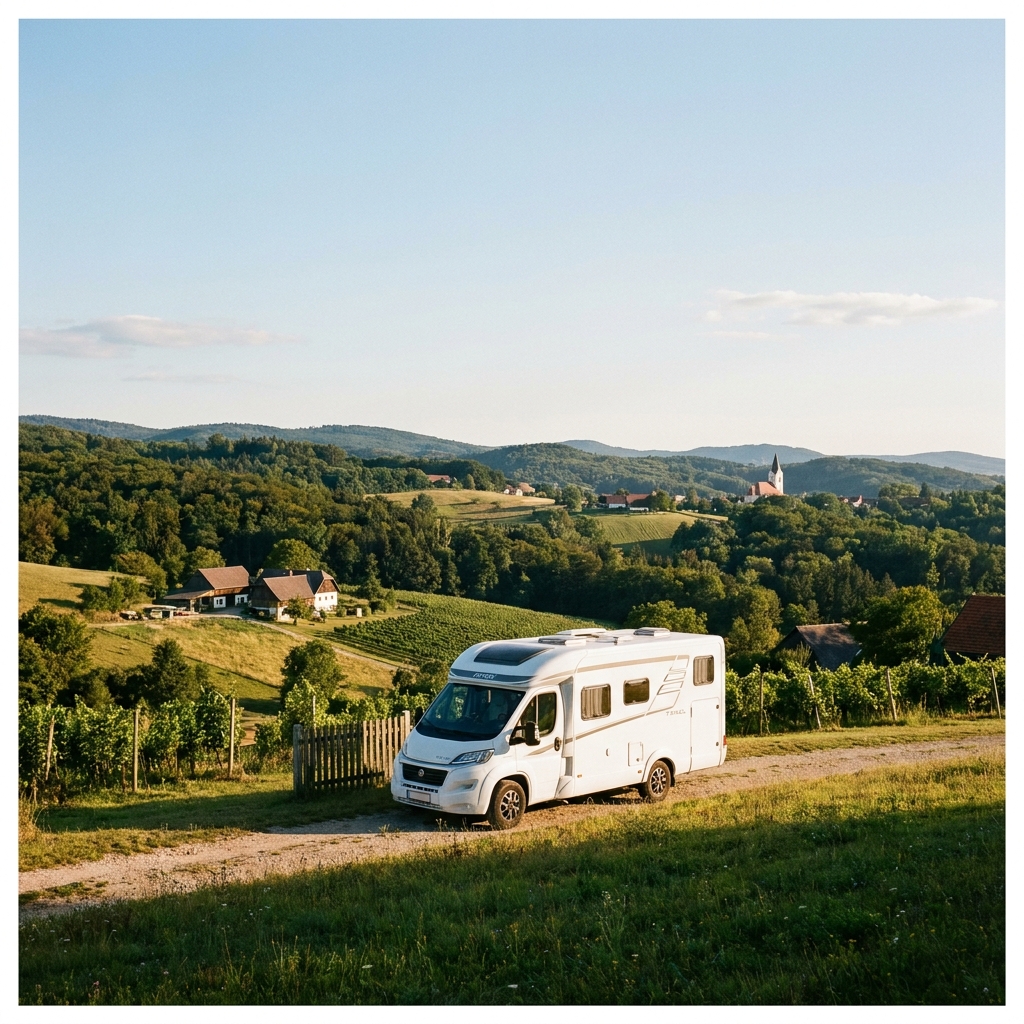
Vienna Woods
The green belt around the Austrian capital offers a rolling landscape of dense beech forests and sprawling vineyards. Visitors can find peace here in the ancient Heiligenkreuz Abbey, one of the best-preserved Cistercian monasteries in the world. From the top of the Kahlenberg, a panoramic view stretches out over the Danube and the skyline of the nearby city. Underground awaits the Seegrotte Hinterbrühl, a mysterious underground lake that can be explored by boat. The region is known for its characteristic Heurigen, where local wines are served amidst the rolling hills. Hiking trails crisscross the area, connecting historic villages with shady forest paths. The contrast between its cultural richness and natural tranquility makes this a versatile destination.
Stop 3
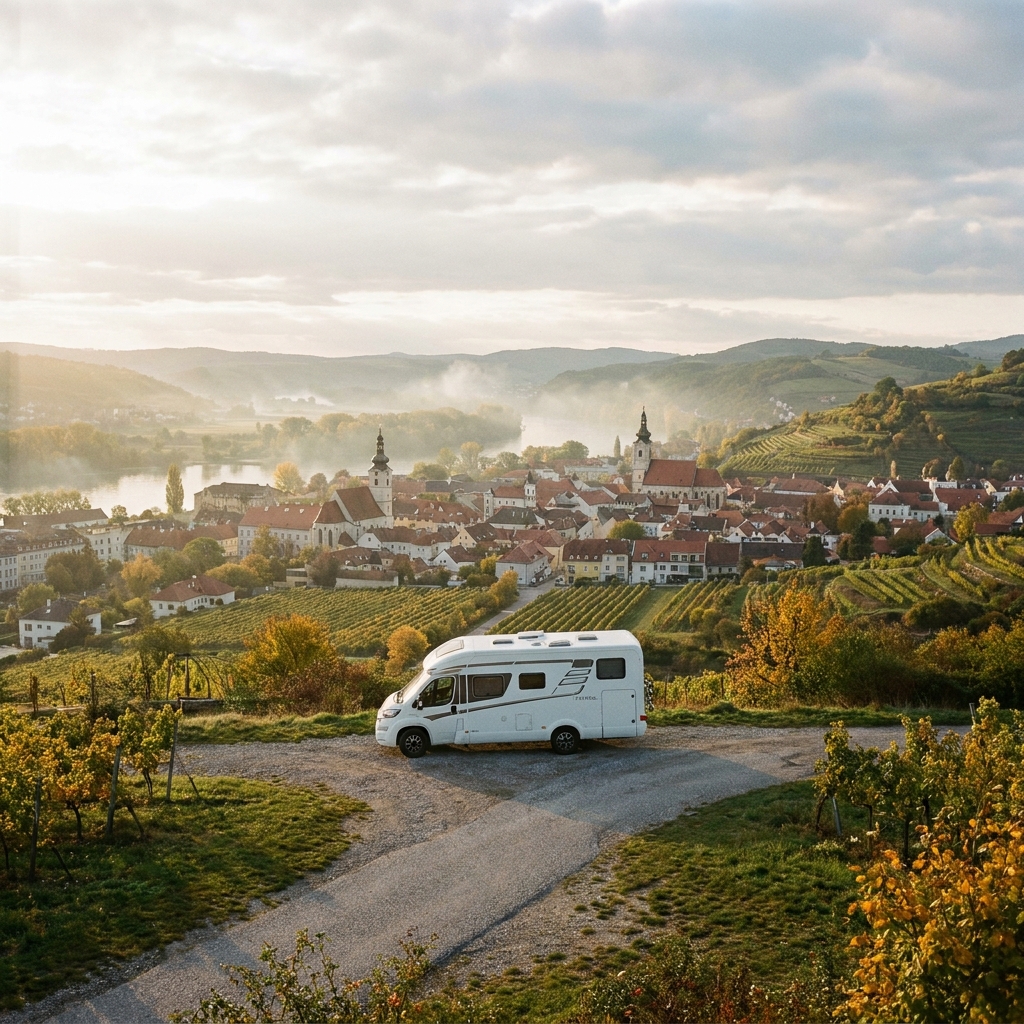
Krems
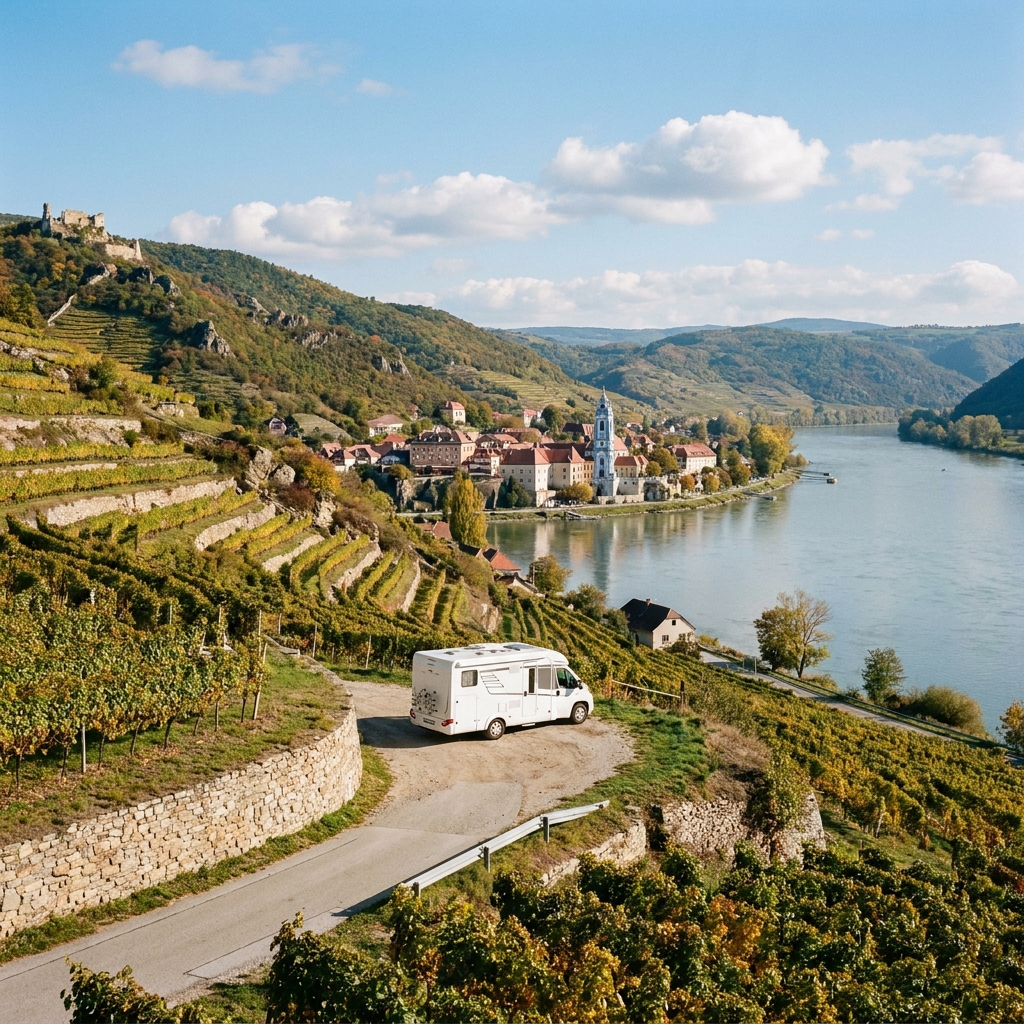
Krems an der Donau marks the eastern beginning of the Wachau Valley and exudes a rich wine history. The city lies directly on the river and is surrounded by steep terraces full of vineyards. In the historic district of Stein, one can stroll through narrow alleys past medieval churches and stately mansions. The city serves as the cultural heart of the region, featuring a modern museum district that contrasts with the old architecture. Along the quays, ships depart for tours through the valley, while local wine taverns invite visitors for tastings. The view from the higher-lying vineyards offers a wide panorama over the Danube and the surrounding hills. This place effortlessly combines a relaxed river atmosphere with deeply rooted Austrian tradition.
Stop 4
Wachau
The Wachau Valley stretches along the Danube between the cities of Melk and Krems. This UNESCO World Heritage site is known for its steep vineyard terraces and extensive apricot orchards. Picturesque villages like Dürnstein, recognizable by its iconic blue church tower, adorn the riverbanks. Medieval castle ruins overlook the rippling water from rocky outcrops. Cycling along the river offers an up-close view of the cultural landscape and the many traditional wineries. Local specialties and high-quality Riesling wines form an essential part of the gastronomic experience. The combination of natural beauty and ancient architecture creates a serene setting. Exploring the narrow streets and paths along the waterfront reveals the rich history of this Austrian river valley.
Stop 5
Milk
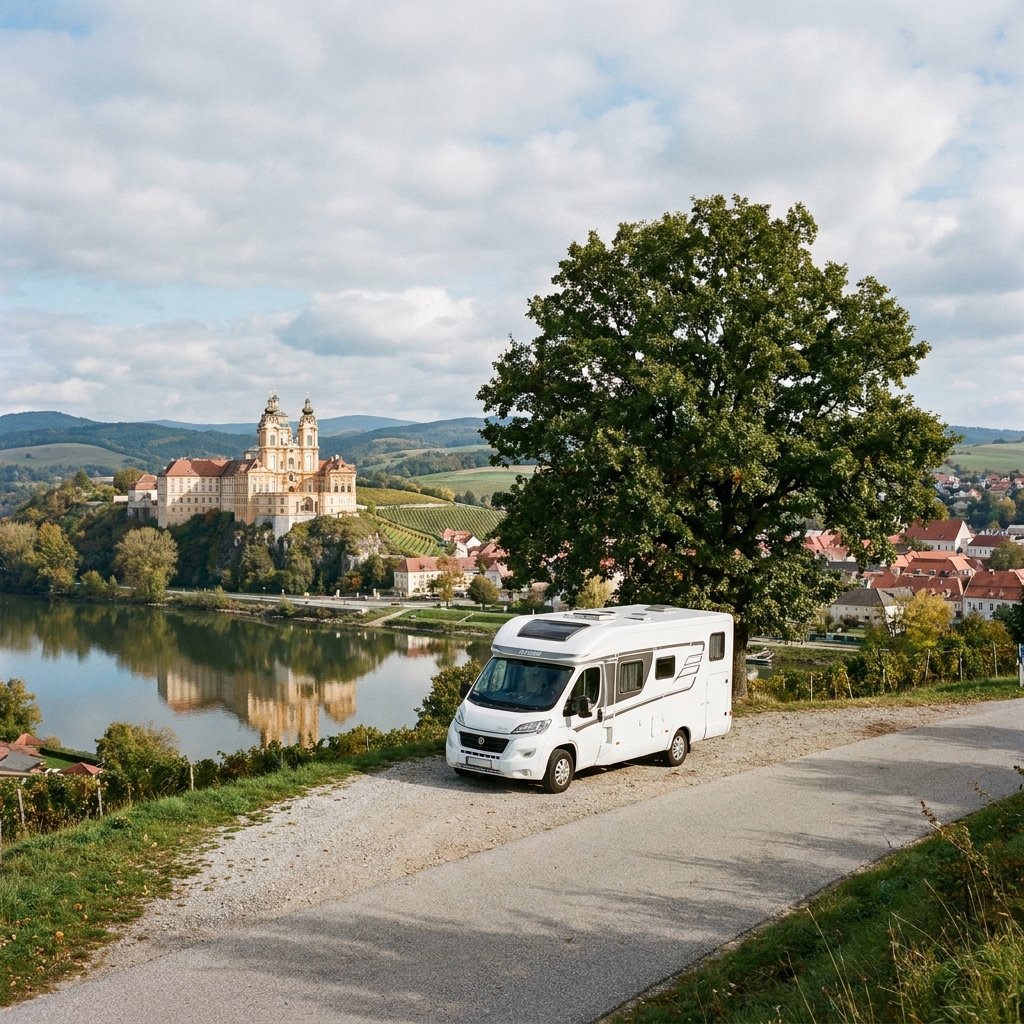
Melk is located on the bank of the Danube and is dominated by the imposing Baroque abbey on the rocks above the city. The enormous yellow complex of Melk Abbey is a prominent religious building in Europe. Wander through the narrow streets of the historic core, where colourful facades and small squares define the streetscape. The city serves as the western gateway to the green Wachau Valley, a region known for its vineyards and river landscapes. Along the bank runs the famous Danube Cycle Path, where cyclists follow the contours of the water. Visitors can explore the opulent library and the richly decorated church inside the monastery. The combination of cultural heritage and its direct location on the river makes the spot a recognisable landmark in the landscape. From the terraces at the abbey, you have a panoramic view of the valley and the flow of the Danube.
Stop 6
Waldviertel
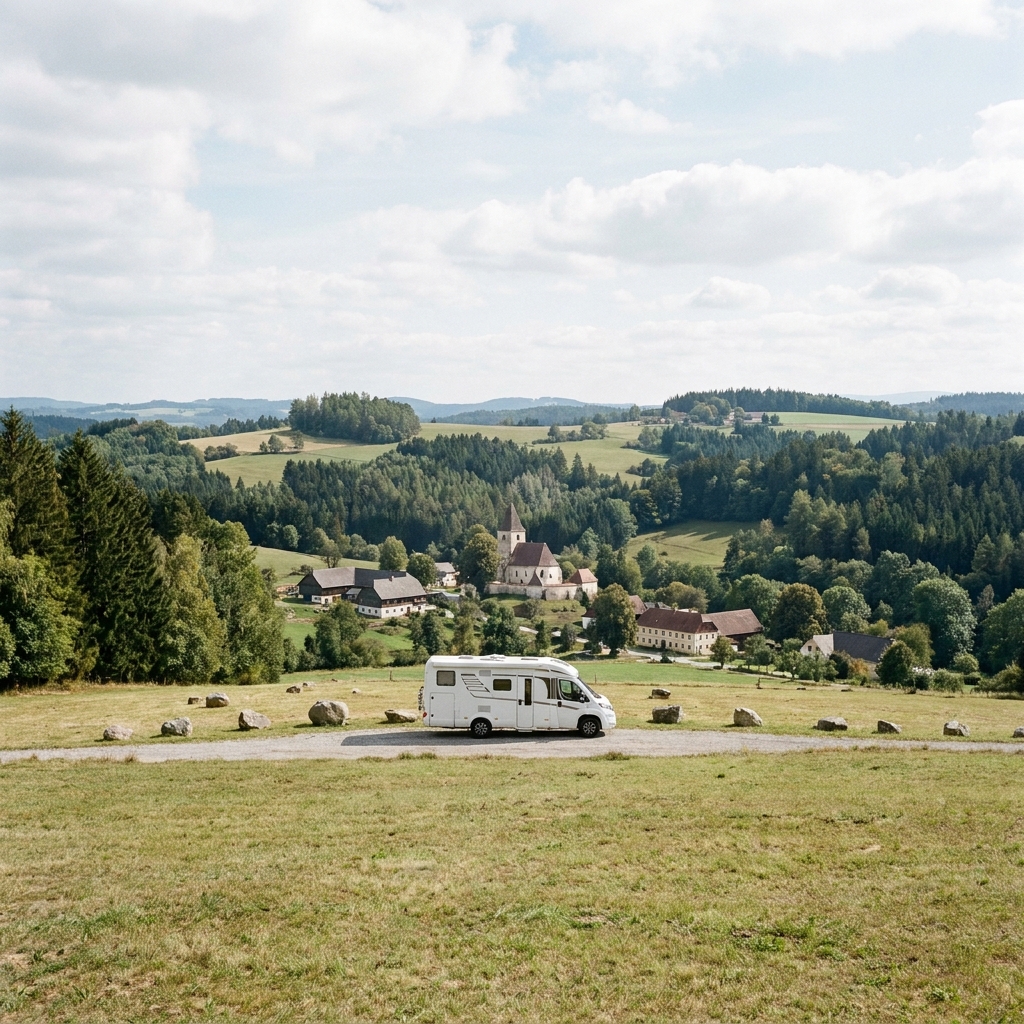
In the north of Austria, the rugged and mystical landscape of the Waldviertel stretches out. Large granite boulders are scattered through the dense forests, forming a unique contrast with the open meadows. Hiking trails in Blockheide Gmünd Nature Park lead past these impressive formations and offer sweeping views over the border region. The monumental Zwettl Abbey forms a spiritual focal point with its impressive architecture and tranquil monastery gardens. Medieval history comes to life at the impregnable Rappottenstein Castle, which towers high above the valley. Here you experience a pleasant coolness and an authentic atmosphere that is far removed from mass tourism. The winding roads lead past deep valleys and babbling rivers that invite a relaxed pace. The area is an ideal destination for those seeking tranquility in an unspoiled part of Central Europe.
Stop 7
Thayatal National Park
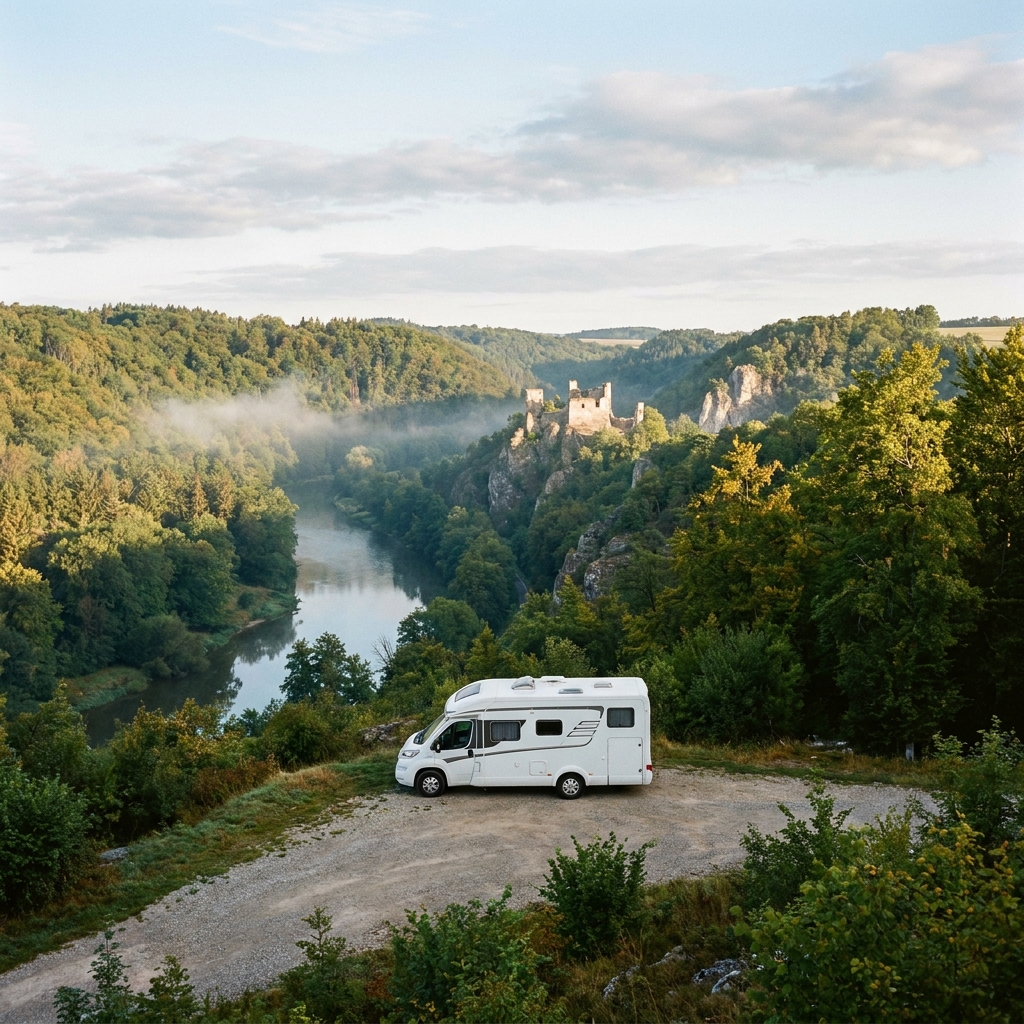
In the far north of Austria lies Thayatal National Park, a pristine natural area along the winding border river with the Czech Republic. The park is characterized by steep rock faces and dense forests that have been carved deep into the Thaya River valley. Hikers will find an extensive network of trails here leading to spectacular viewpoints over the river bends. The imposing Hardegg Castle towers high above the town of the same name and forms a prominent landmark in the landscape. In the modern National Park House, you can learn all about the rare wildcats that find refuge in this secluded area. The peace and quiet of this smallest national park in the country make it an ideal spot for nature lovers. Here you can wander for hours through nature without encountering many other people. The combination of cultural history and rugged river landscapes provides a unique experience in this border region.
Want to actually take this trip?
We put together the complete package for you — motorhome, ferry, campsites — in one personal email.
Stop 8
Eisenstadt
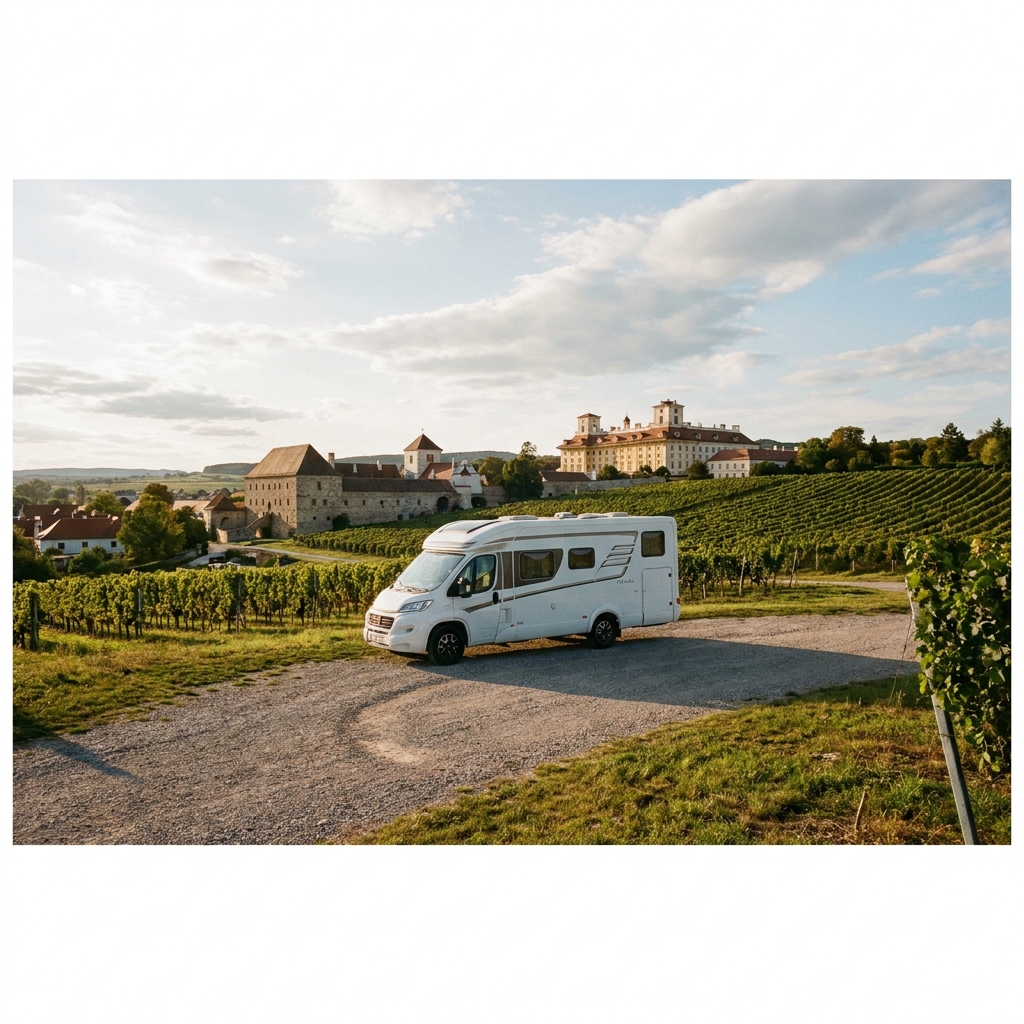
Eisenstadt is situated at the foot of the Leitha Mountains and is known as Austria's smallest provincial capital. The baroque Esterházy Palace dominates the cityscape and serves as a reminder of the rich history of the influential noble family. Music lovers make their way to the Haydn-Haus, where the composer lived and worked for many years. The mausoleum of this famous musician is located in the nearby Bergkirche. Hikers can visit the extensive palace garden, which directly borders the historic core. The surrounding vineyards invite relaxation and offer expansive views over the plains of Burgenland. In the compact city centre, boutiques and traditional coffee houses alternate in a relaxed atmosphere. A visit to this city can be perfectly combined with the nearby nature of the steppe lake.
Stop 9
Neusiedler See
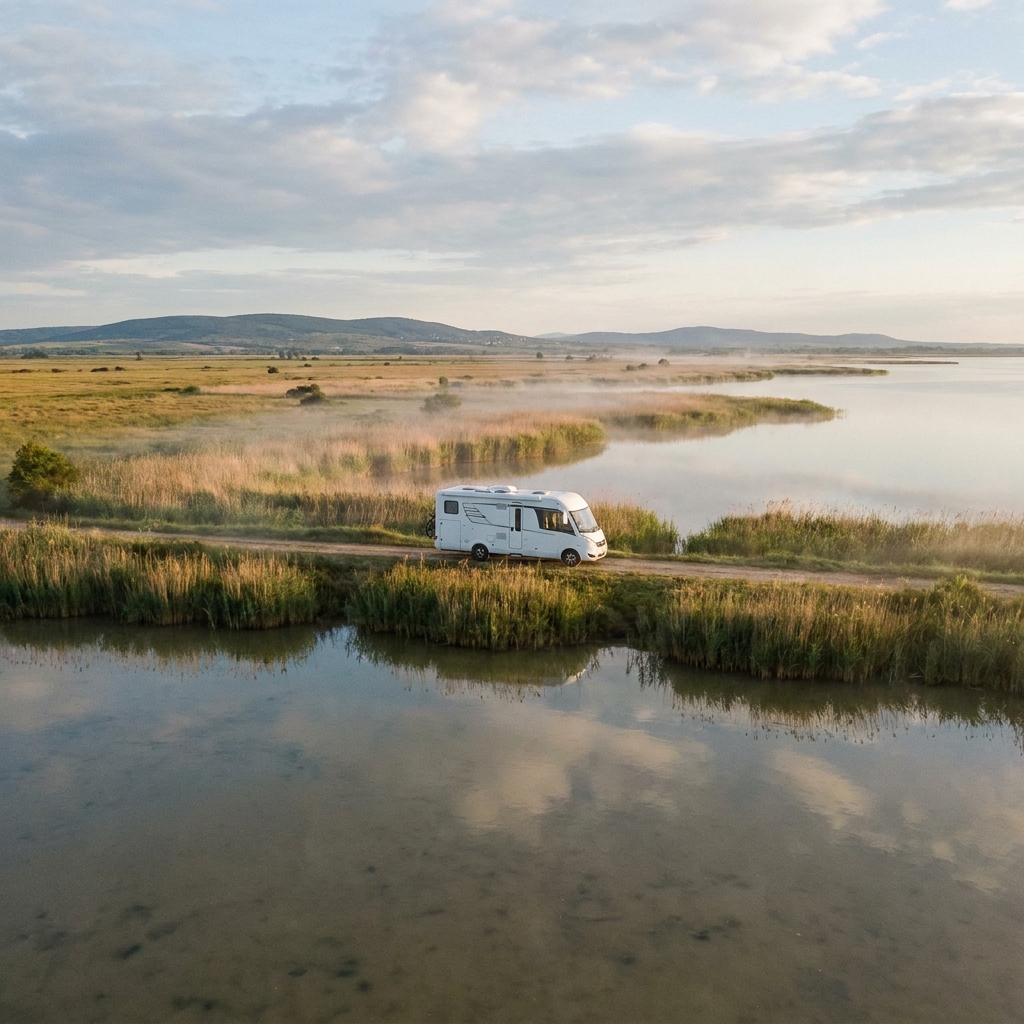
The Neusiedler See lies on the border with Hungary and forms a unique steppe landscape in Central Europe. This shallow lake is surrounded by an extensive belt of reeds, offering a haven for numerous bird species. Along its shores lie characteristic villages and vast vineyards that give the region a Mediterranean character. Water sports enthusiasts take advantage of the constant wind on the open water, while cyclists explore the flat paths around the basin. In the Neusiedler See-Seewinkel National Park, rare white donkeys and Przewalski's horses graze against an open horizon. The sunsets over the reeds and the glistening water surface here are particularly impressive. Local wineries offer the opportunity to taste the region's famous dessert wines directly from the producer.
Stop 10
Vienna
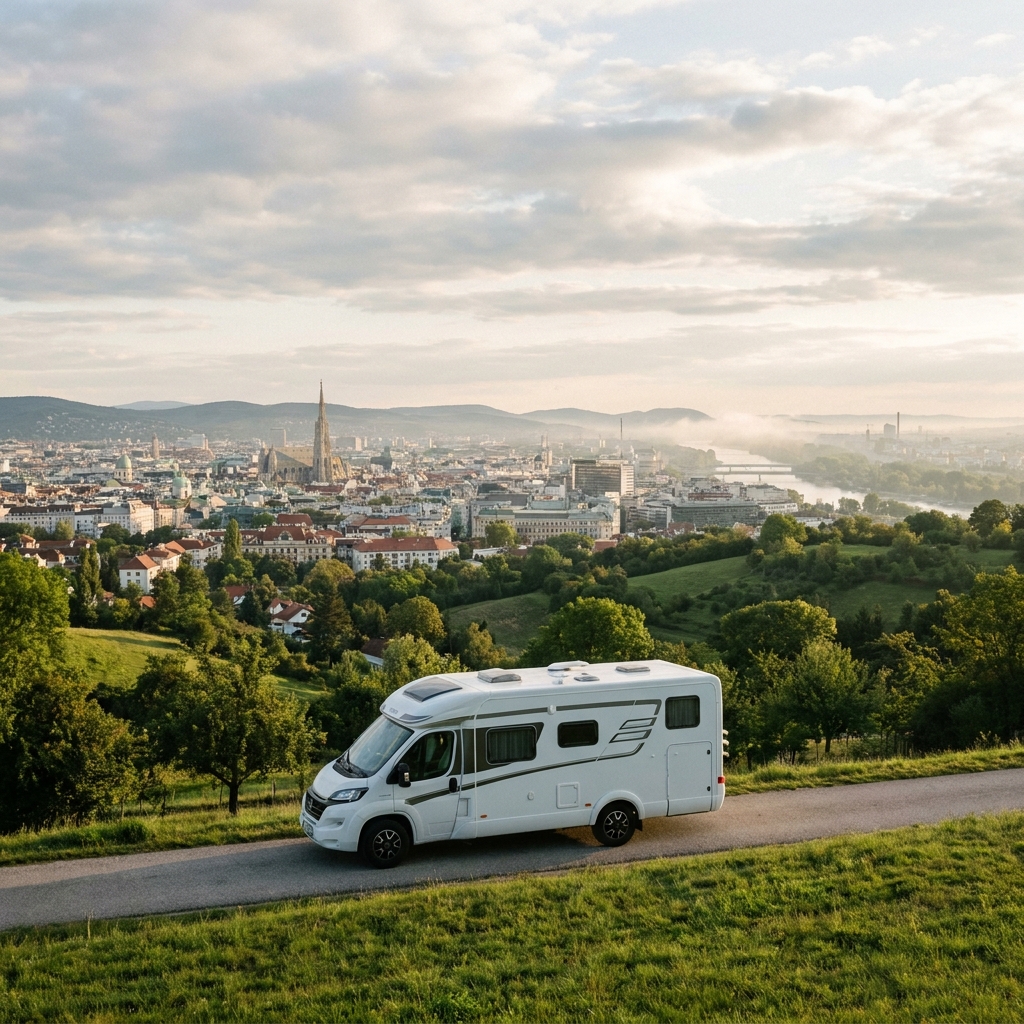
The Austrian capital on the Danube exudes an unparalleled imperial grandeur. In the historic center, the Gothic spire of St. Stephen's Cathedral and the sprawling palace complexes dominate the cityscape. Walkers explore the Ringstrasse, where stately opera houses and museums follow one another in rapid succession. A visit to Schönbrunn Palace offers a glimpse into the life of the Habsburgs amidst sprawling Baroque gardens. The city is renowned for its refined coffeehouse culture, where time seems to stand still amidst marble tables and classic newspapers. In the evening hours, the illuminated facades along the quays create an atmospheric backdrop. The combination of classical music, historic architecture, and modern parks makes a stay here a multifaceted experience.
Stop 11
Semmering
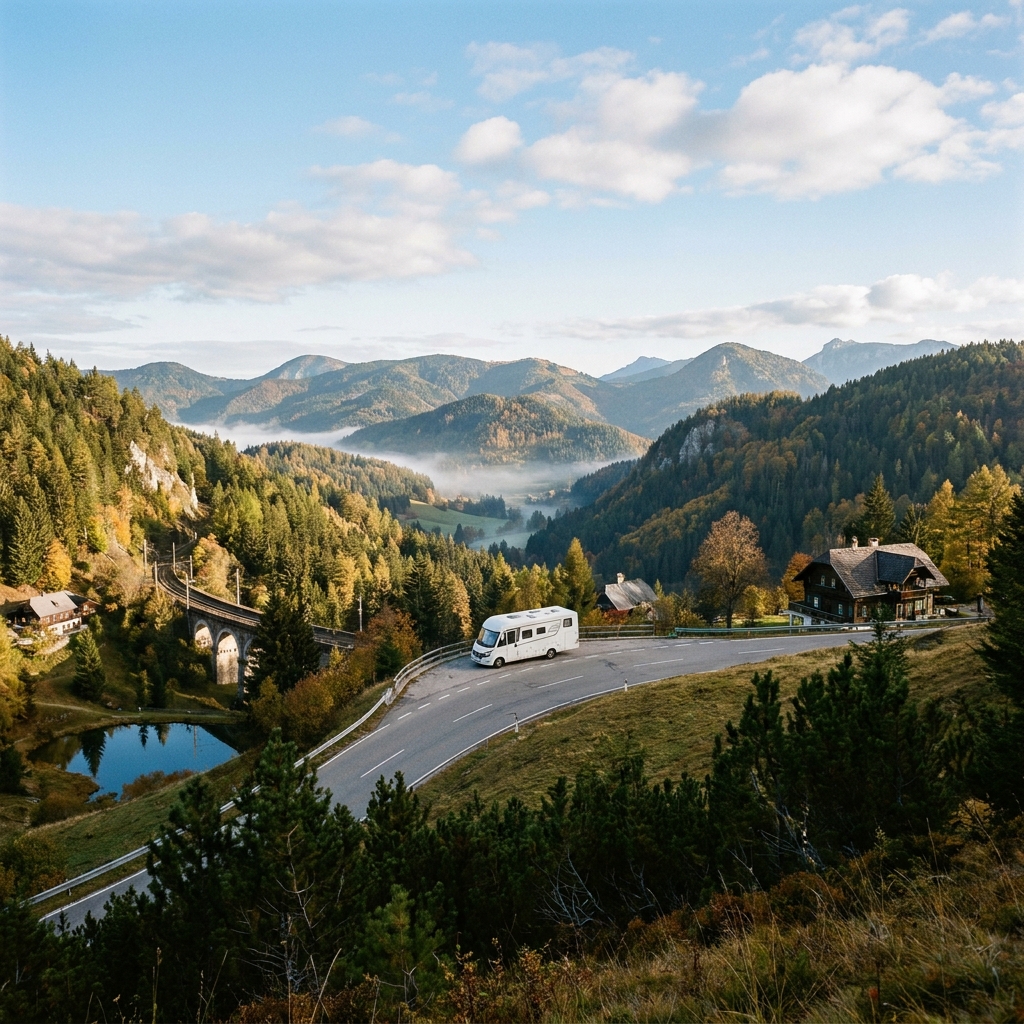
Semmering is located on the border of Lower Austria and Styria and is renowned for its impressive railway history. The area is dominated by the Semmering Railway, a technical masterpiece that is a UNESCO World Heritage site. From the famous 20-Schilling Viewpoint, you can gaze across the deep valleys and the many viaducts that crisscross the landscape. In summer, hikers are drawn to the Zauberberg for treks along forested slopes and historic fin-de-siècle villas. The fresh mountain air and altitude make it a pleasant place to escape the city heat. Here you'll find tranquil spots along the mountain pass where nature and architecture harmoniously converge. It is a distinctive stop where the transition from the Alps to the flatter east becomes palpable.
Stop 12
Riegersburg
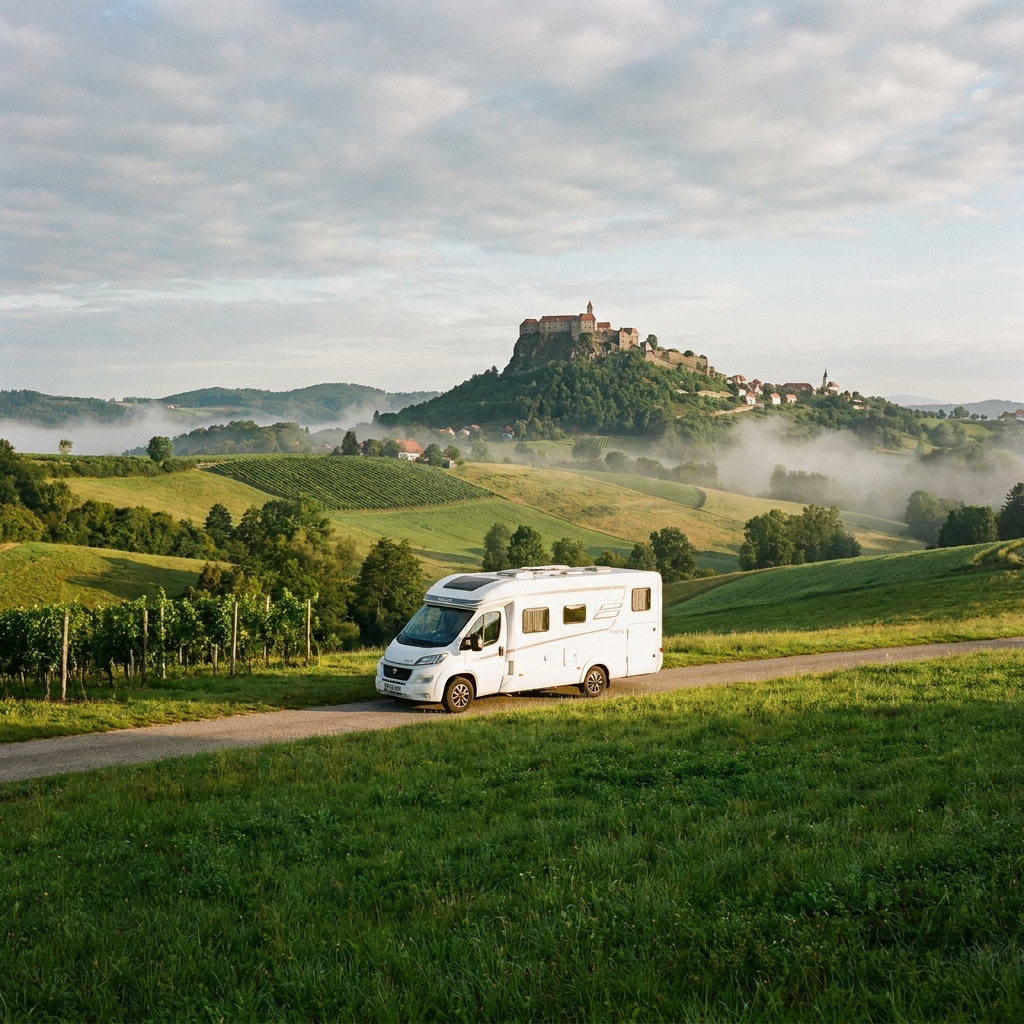
In the rolling landscape of Southeast Styria, the imposing Riegersburg Castle towers high above its surroundings on an extinct volcanic cone. The fortress is accessible via a steep hiking trail or a modern lift, offering panoramic views of the surrounding vineyards and forests. Within its walls, visitors can wander through historic knight's halls and past exhibitions detailing the region's turbulent history. At the foot of the rock lies the famous Zotter chocolate factory, where the bean-to-bar production process can be observed up close. The combination of cultural history and culinary experiences makes this a multifaceted stop in the green heart of Austria. In the vicinity, hikers will find various routes leading through the fertile hills and past local producers. The Riegersburg Birds of Prey Centre showcases impressive birds of prey in flight above the volcanic rock.
Stop 13
Graz
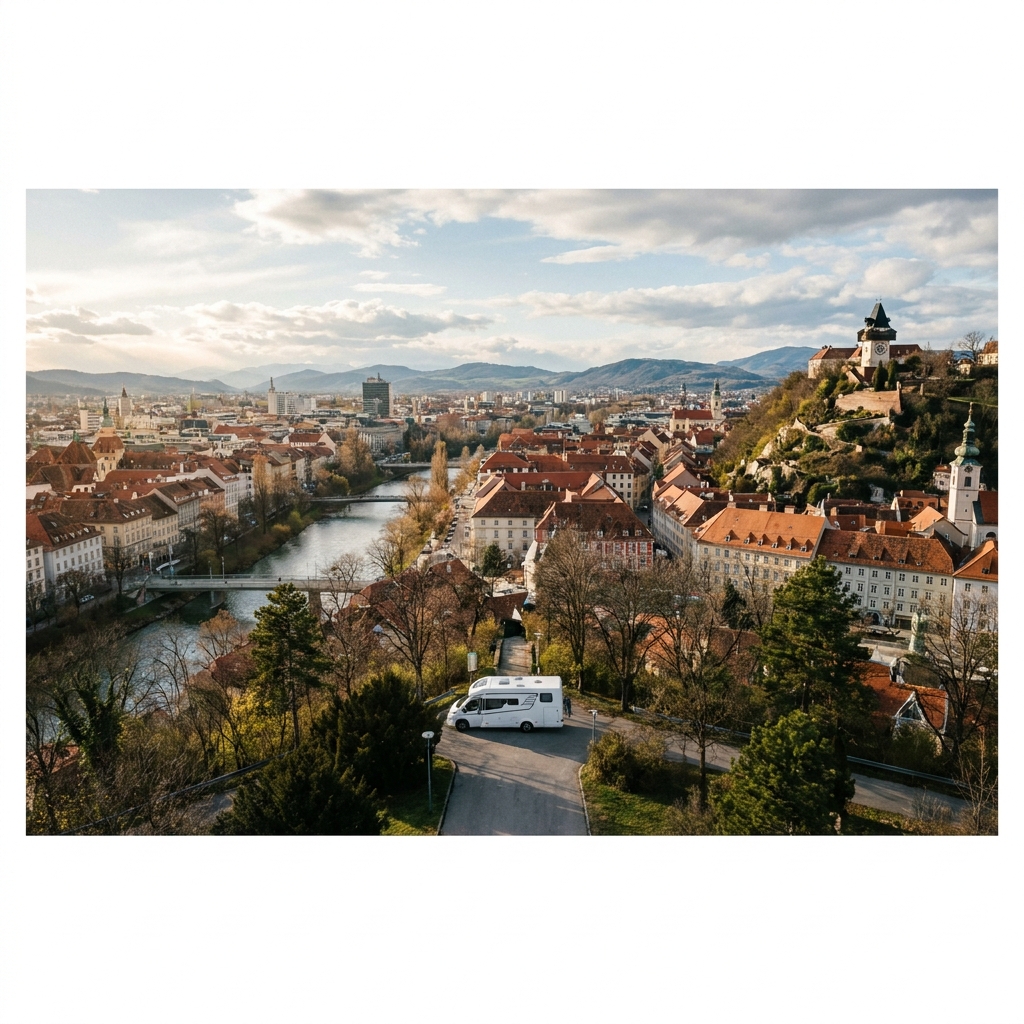
The capital of the state of Styria is known for its well-preserved historic center and the striking Schlossberg that towers above the city. From the iconic Uhrturm, you can look out over a sea of red roofs and narrow alleyways. In the middle of the Mur River, the Murinsel forms a modern contrast with the surrounding classical architecture. The blue Kunsthaus Graz, locally known as the friendly alien, immediately draws attention on the riverbank. Walking through the city center, you pass numerous Renaissance-style courtyards and richly adorned facades. The city exudes a Mediterranean atmosphere due to the many outdoor cafes and parks that define its streetscape. Graz serves as the cultural heart of Southeast Austria, where history and modern art converge.
Stop 14
Styrian Wine Road
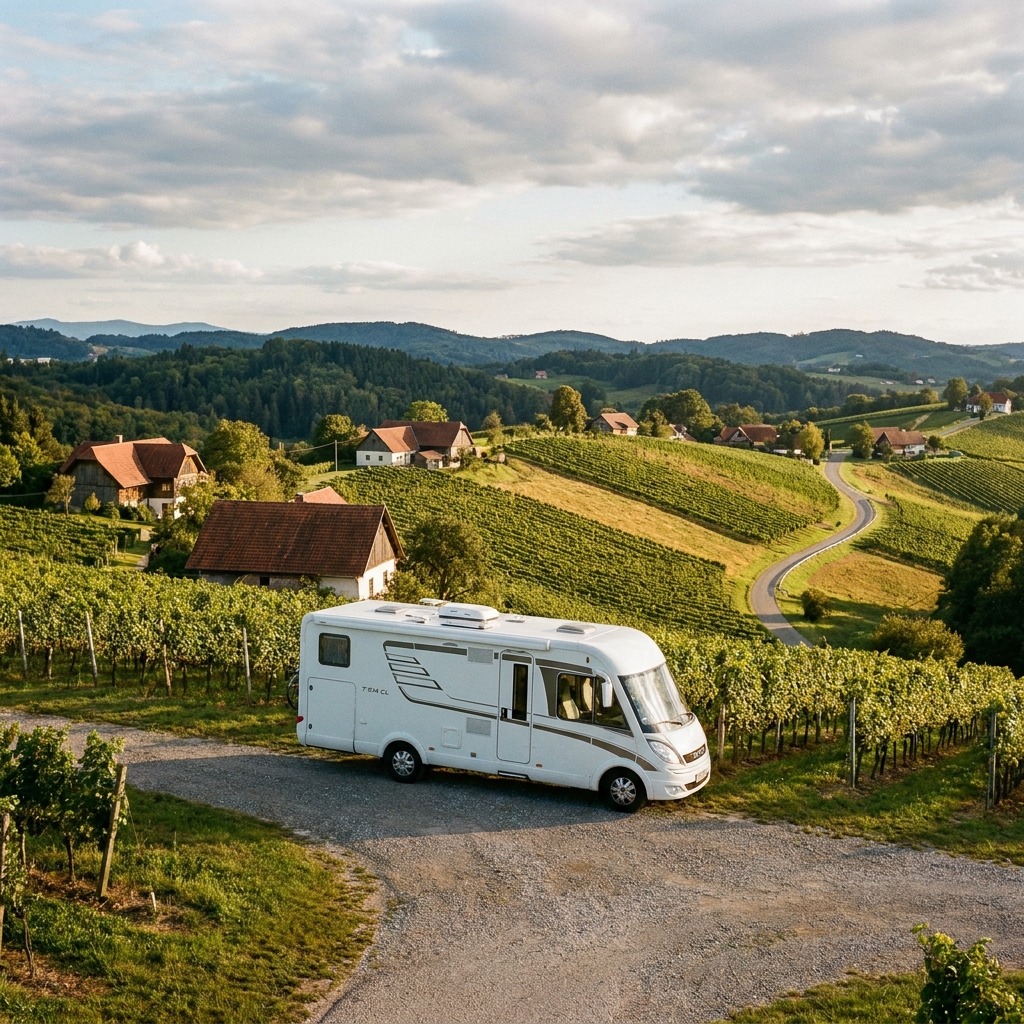
The Styrian Wine Route winds through the rolling hills of Southern Styria, near the Slovenian border. This route leads past extensive vineyards and distinctive poplars, giving the landscape a Mediterranean feel. In the village of Ehrenhausen, the stately Schloss Ehrenhausen forms a prominent landmark at the start of the wine route. Visitors can hike through the steep vineyards or relax by the swimming lakes around Gamlitz. The numerous local Buschenschanken along the route serve regional specialties and wines on panoramic terraces. The rolling terrain is ideally suited for leisurely rides where views of the green hills take center stage. For those who enjoy exercise, the Motorikpark Gamlitz offers a variety of challenging outdoor courses. The combination of agricultural traditions and charming, small-scale architecture makes a stay in this region very delightful.
Stop 15
Rest
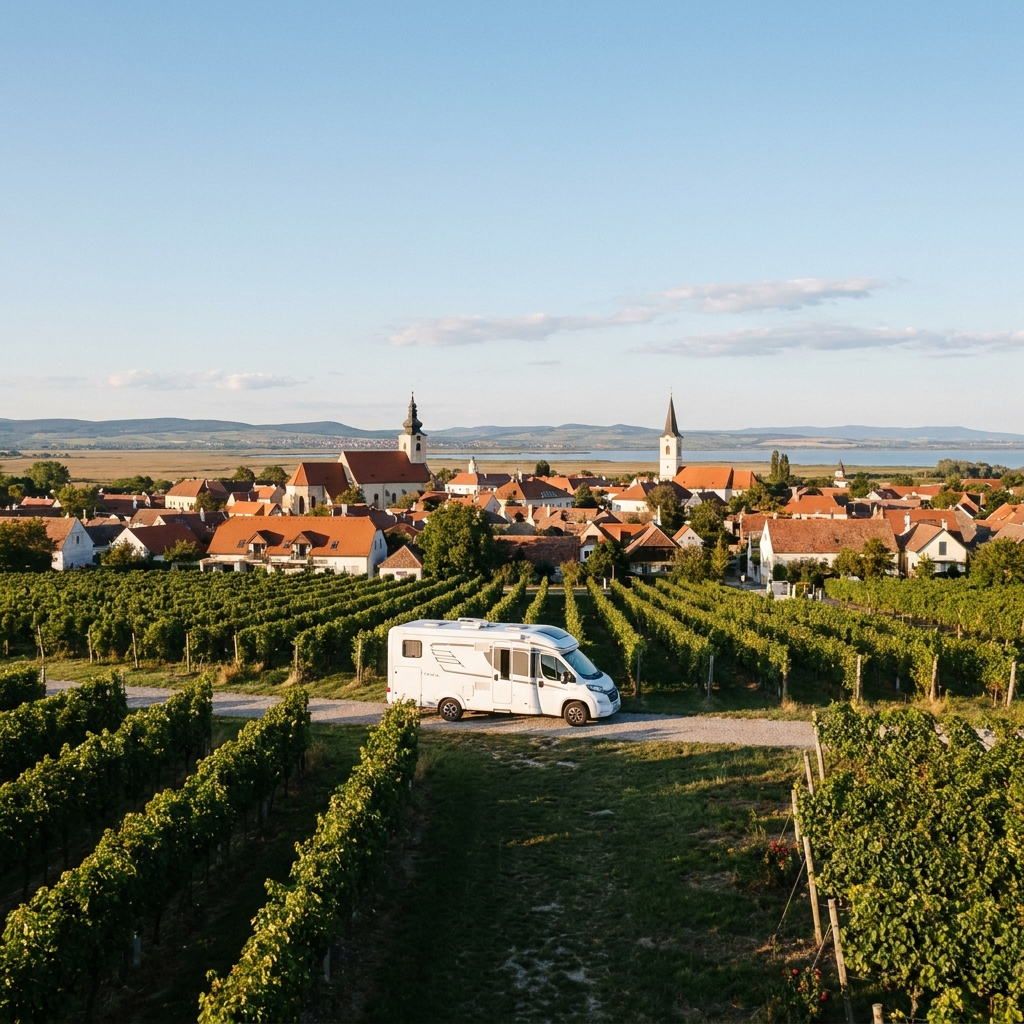
Rust is located on the western shore of Lake Neusiedl and is notable for the many stork nests on its roofs. The historic town centre is rich in colourful facades and well-preserved courtyards. In the Fischerkirche, centuries-old frescoes can be admired in a tranquil setting. The surrounding vineyards are ideal for walks through the rolling terrain of Burgenland. On the shore of the lake, there are various opportunities for water sports on the shallow water. The local climate supports a flourishing wine culture that is noticeable throughout the town. The combination of nature conservation and historic architecture gives the place a unique character.
Ready to hit the road?
We'll email you a personal travel proposal within 24 hours — motorhome, route and full cost overview included. Save €400–€800 on average vs. a travel agency.
No packages, no middlemen. Learn how it works
Camproads gave me a lot of inspiration for our campervan trip. The routes are beautiful, with a good balance of nature and city life, and the route generator made planning super easy. It's also really handy that there are so many good camping options at the locations, and that you can easily find the campervan that suits your needs and compare prices. This way, we can plan everything ourselves and book the campervan directly with the rental company. That's much cheaper than an organized trip!
Michiel van de Bunt
February 2026
What a difference from how I used to plan trips. Through Camproads, I put together a complete campervan trip in just a few minutes. It's so easy to use, and you can customize everything to your liking. The ability to choose your travel pace makes it even more enjoyable, especially now that we're traveling with a baby for the first time.
Alieke Zelhorst
February 2026