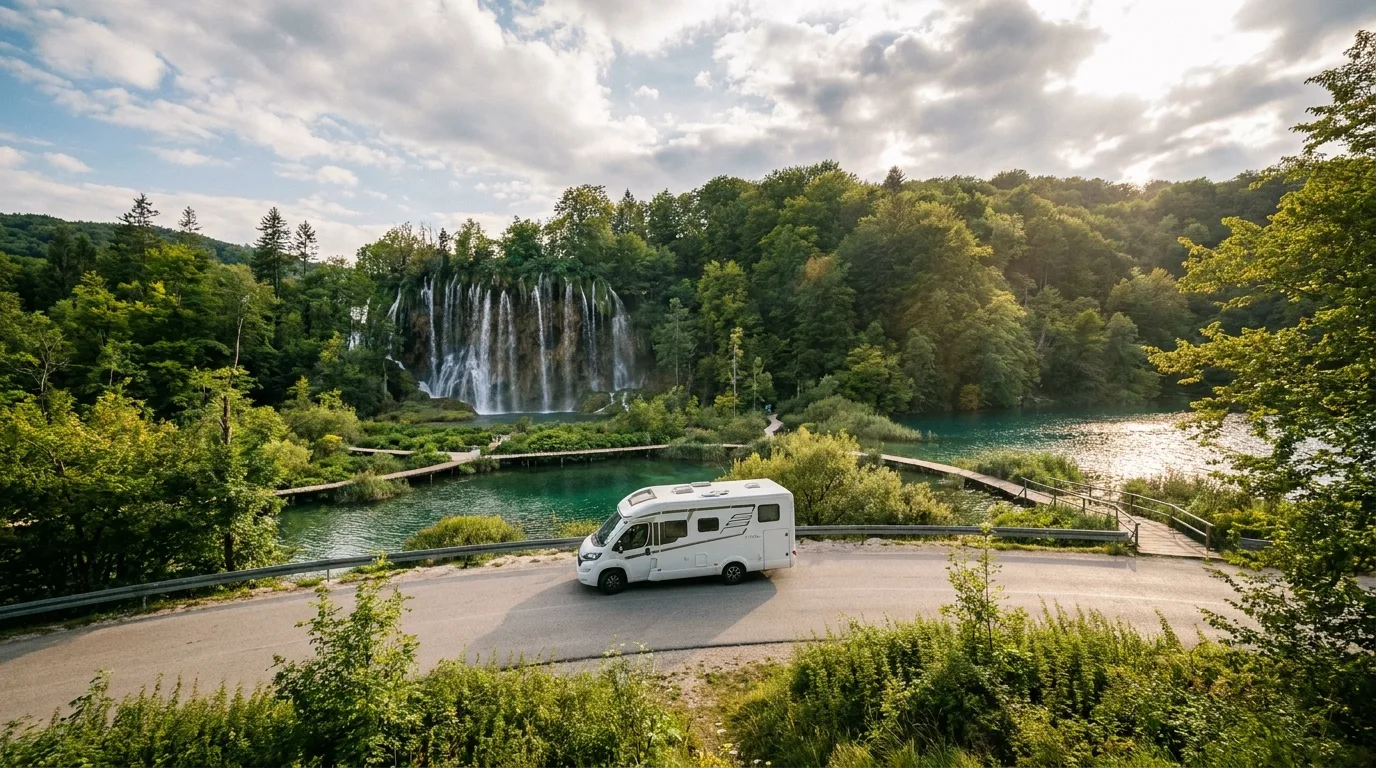
Take this trip by motorhome
Save €400–€800 on average vs. a travel agency
Duration
x daysDistance
0 km
stops
0
Choose a date and duration that fits your preferences
About this route
Highlights
- ✦Verken de historische bovenstad van Zagreb en de Sint-Marcuskerk
- ✦Wandel over de houten paden langs de Veliki Slap in de Plitvicemeren
- ✦Ontdek de fjordachtige Zavratnica-baai, een verborgen inham aan de kust
- ✦Trek door de imposante kloof van Velika Paklenica in Paklenica Nationaal Park
- ✦Bewonder de watervallen van Skradinski buk in Krka Nationaal Park
- ✦Rijd langs de indrukwekkende Cetina-kloof bij Omiš
- ✦Bezoek de afgelegen eilanden van Kornati Nationaal Park en de Krune kliffen
The route
Stop 1
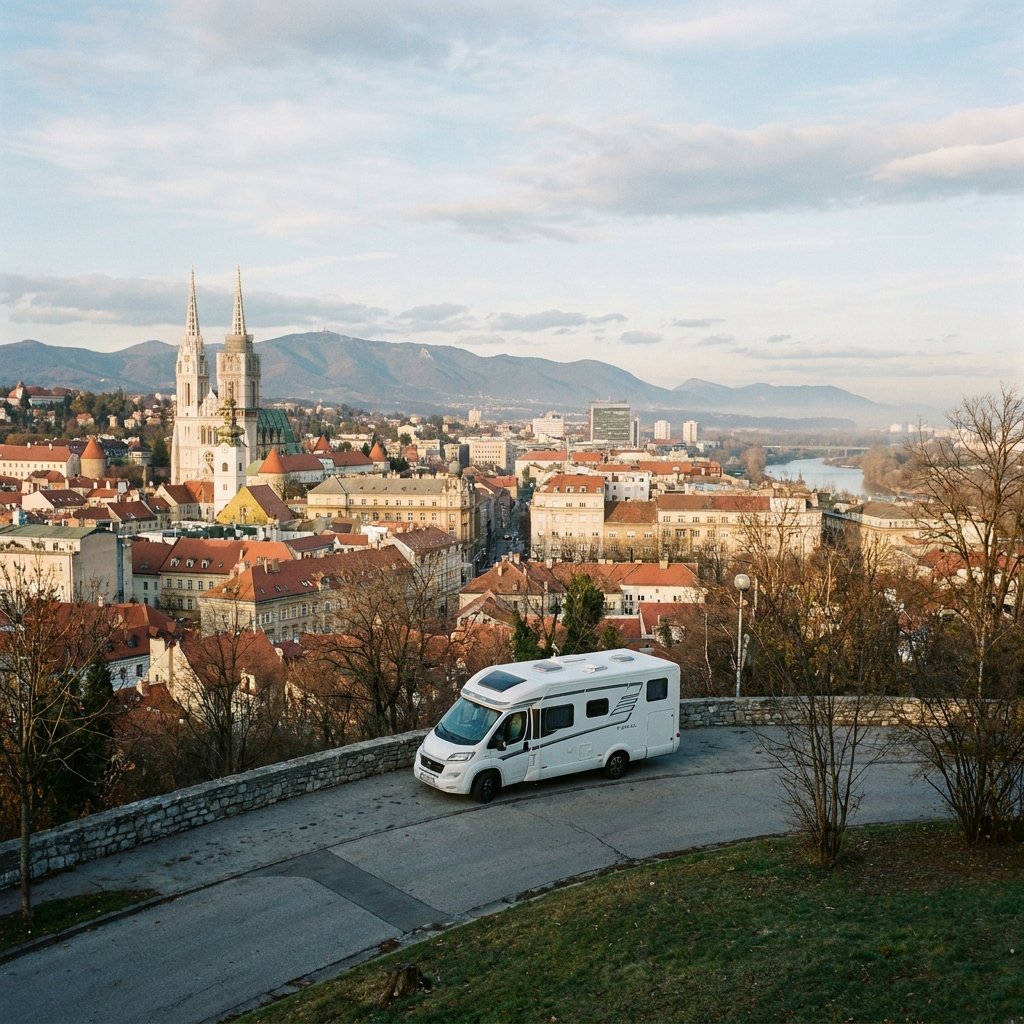
Zagreb
Zagreb combines a stately Central European atmosphere with a vibrant Balkan energy in the shadow of Mount Medvednica. The city is divided into the historic Upper Town with its cobblestone streets and the spacious Lower Town, full of parks and theaters. At the colorful Dolac Market, you can experience the local atmosphere amidst the red parasols and fresh regional produce. The iconic St. Mark's Church draws attention with its striking roof tiles adorned with coats of arms. You can explore the city via a network of blue trams connecting all major squares. In the evenings, the terraces of Tkalčićeva Street come alive under the glow of old gas lamps. It is a place where monumental architecture and green parks constantly alternate.
Stop 2
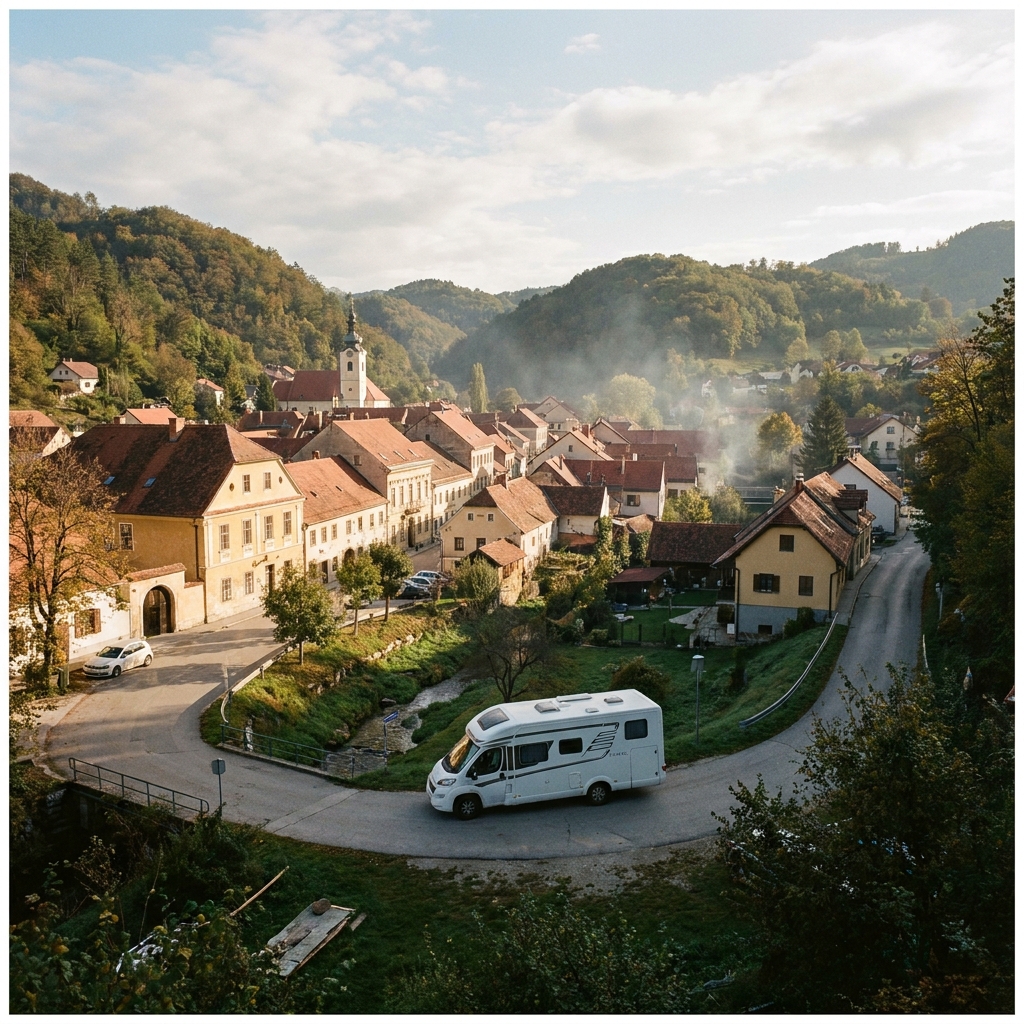
Samobor
Samobor is nestled at the foot of the forested hills of the Žumberak Mountains. This medieval town is known for its Baroque architecture and charming atmosphere along the Gradna stream. Hikers explore the ruins of the old Samobor Castle on Tepec Hill for panoramic views of the surrounding area. The central square, Trg kralja Tomislava, is the heart of the town where local delicacies are served outdoors. The surrounding nature provides countless trails through dense forests and along babbling brooks. Visitors appreciate the tranquility and the well-preserved historic facades in the narrow streets. It is an ideal place to escape the hustle and bustle of the nearby capital in a green setting.
Stop 3
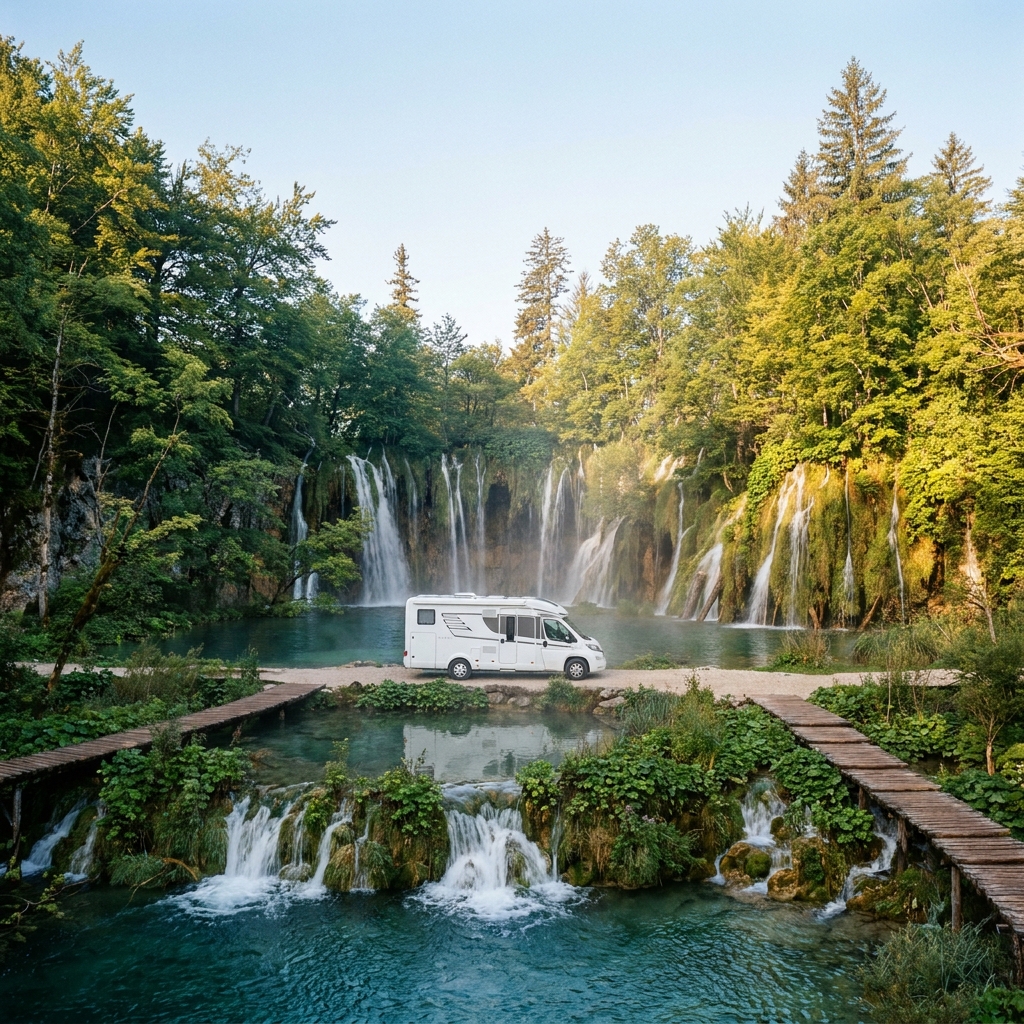
Plitvice Lakes
This UNESCO World Heritage site forms a spectacular karst landscape with sixteen emerald-green lakes that flow into each other via numerous waterfalls. Visitors explore the park via an extensive network of wooden walkways built just above the rippling water surface. At a height of seventy-eight meters, the Veliki Slap is the most imposing waterfall in the lower part of the reserve. Rare animals such as brown bears and wolves live in the forested surroundings, emphasizing the rugged nature of the Lika region. An electric boat crosses the expansive Kozjak Lake to facilitate the connection between the upper and lower lakes. The limestone barriers are still growing due to the constant deposition of travertine, keeping the landscape constantly in motion. Early in the morning, the mist above the turquoise water offers a mystical sight before the daily hustle and bustle begins. In autumn, the surrounding forests turn deep red and gold, forming a stark contrast with the bright blue hues of the water features.
Stop 4
Risnjak National Park
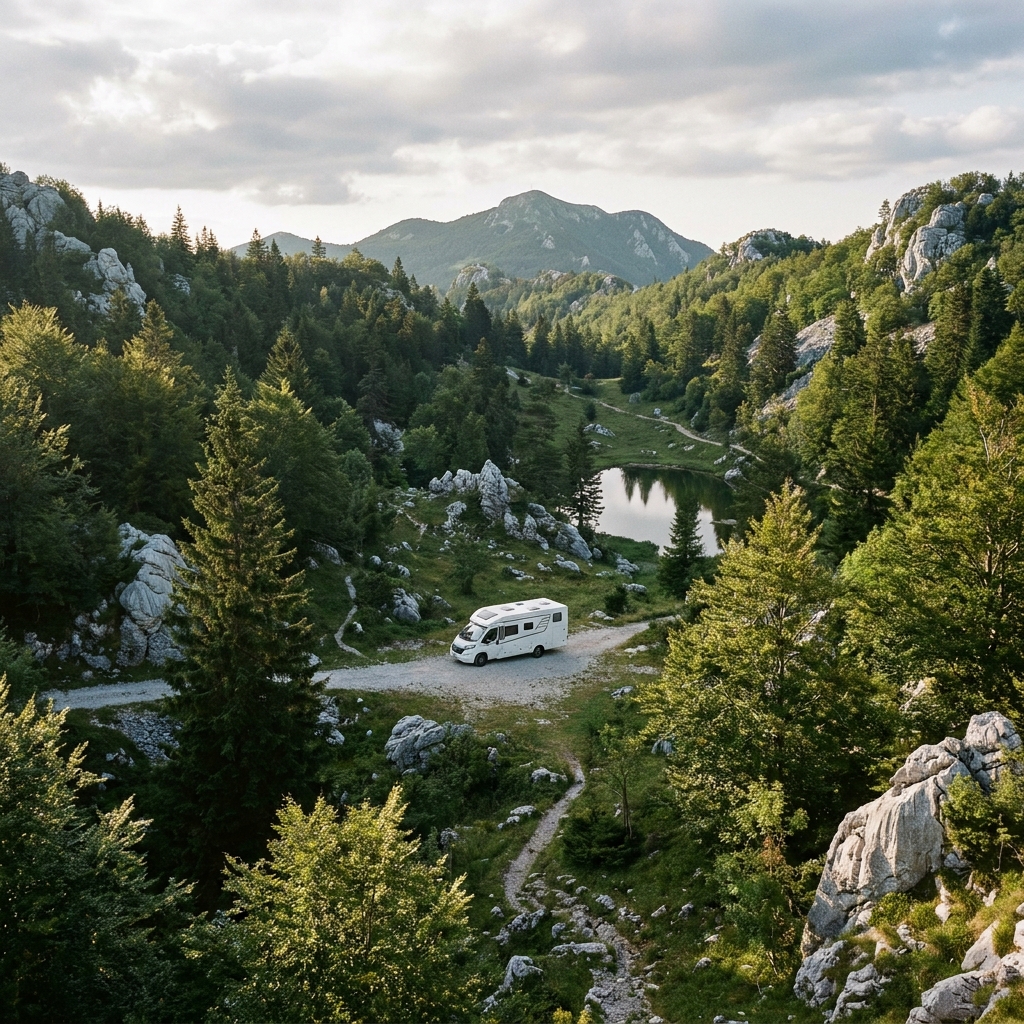
Risnjak National Park covers the forested mountain ranges of Gorski Kotar near the Slovenian border. The area is known for its pristine wilderness, where lynx, wolves, and bears still roam freely. Hikers often climb the peak of Veliki Risnjak for panoramic views of the Kvarner Bay and the surrounding Alps. In the lower-lying area, the turquoise spring of the Kupa River forms an impressive natural phenomenon in a deep valley. The dense spruce and beech forests offer shade and a serene stillness during the summer months. Narrow paths wind through limestone rock formations and flower-filled alpine meadows. At the Schlosserov dom mountain hut, visitors can find a resting point amidst the rugged mountain peaks. This mountain landscape offers a cooler and quieter alternative to the bustling coastal areas of Croatia.
Stop 5
Velebit & Zavratnica
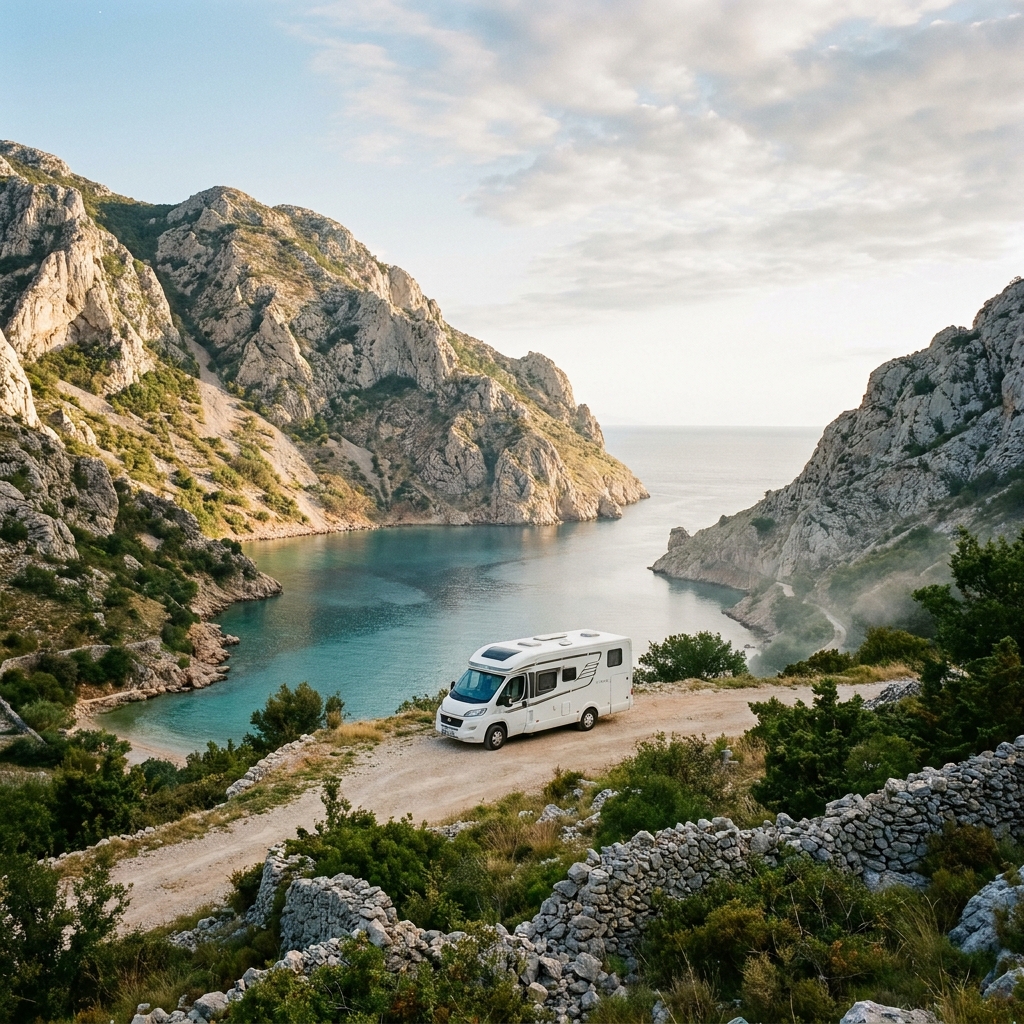
The deep blue inlet of Zavratnica Bay cuts like a fjord through the rugged limestone cliffs at the foot of the Velebit. Here, crystal-clear water reveals a sunken World War II shipwreck lying just below the surface. A narrow hiking trail winds along the steep cliffs, offering spectacular views of the Adriatic Sea. Above the coastline, the grey peaks of the Velebit tower, where pristine forests and challenging mountain trails await discovery. The tranquility of this sheltered cove stands in stark contrast to the wild slopes of the mountain range. Visitors can swim here in the calm bay or ascend to higher ground for panoramic views of the nearby islands of Rab and Pag. This place combines the ruggedness of the Croatian mountains with the beauty of its jagged coastline.
Stop 6
Paklenica National Park
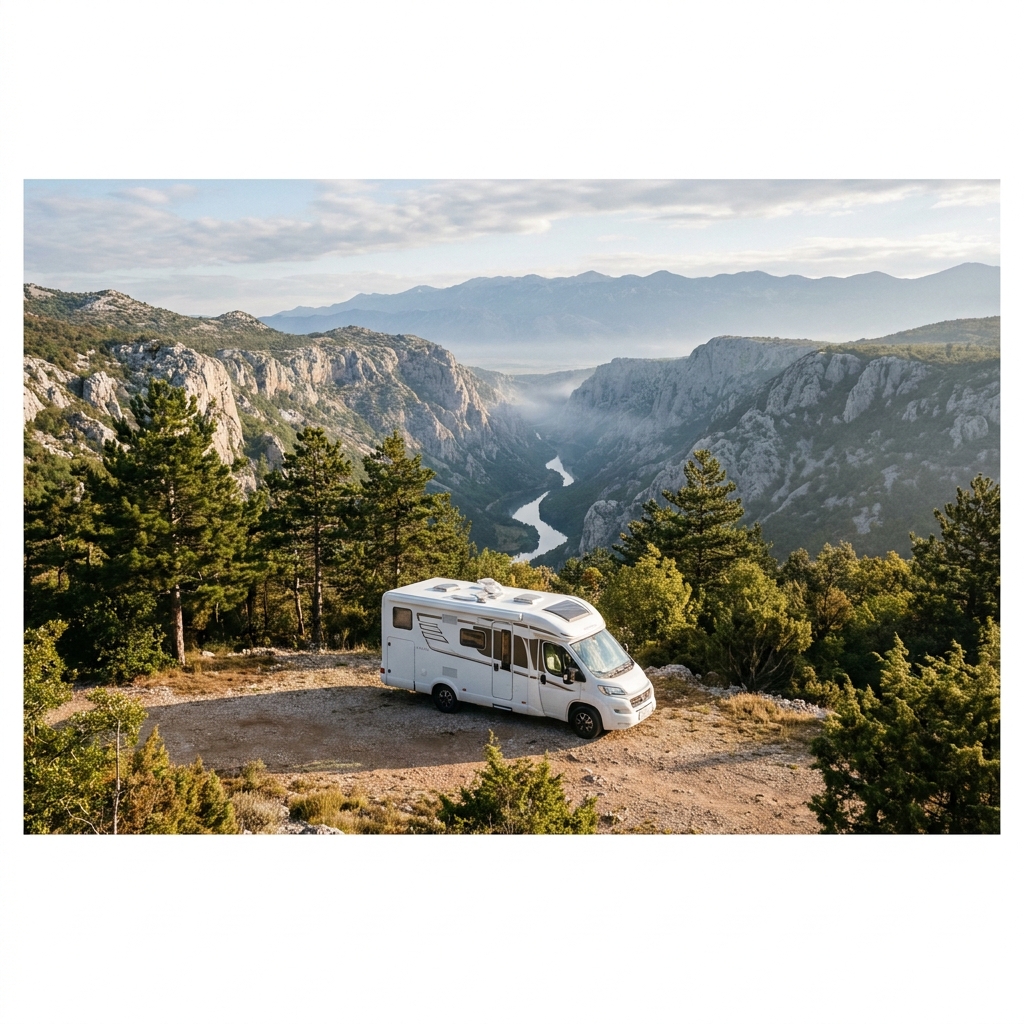
Paklenica National Park stretches across the southern slopes of the imposing Velebit mountain range. The deep canyons of Velika Paklenica and Mala Paklenica cut steeply through the limestone landscape towards the Adriatic Sea. Hikers will find an extensive network of trails here that lead along vertical rock faces and through dense beech forests. The enormous rock face of Anića Kuk attracts climbers from all over Europe due to its challenging routes. In the cool of the caves and along the babbling brooks, you experience the rugged side of the Croatian coastline. The contrast between the grey peaks and the nearby blue seawater is remarkably stark. This park offers an active alternative for travelers who want to escape the hustle and bustle of the coastal towns.
Want to actually take this trip?
We put together the complete package for you — motorhome, ferry, campsites — in one personal email.
Stop 7
Lake Vransko
Stop 8
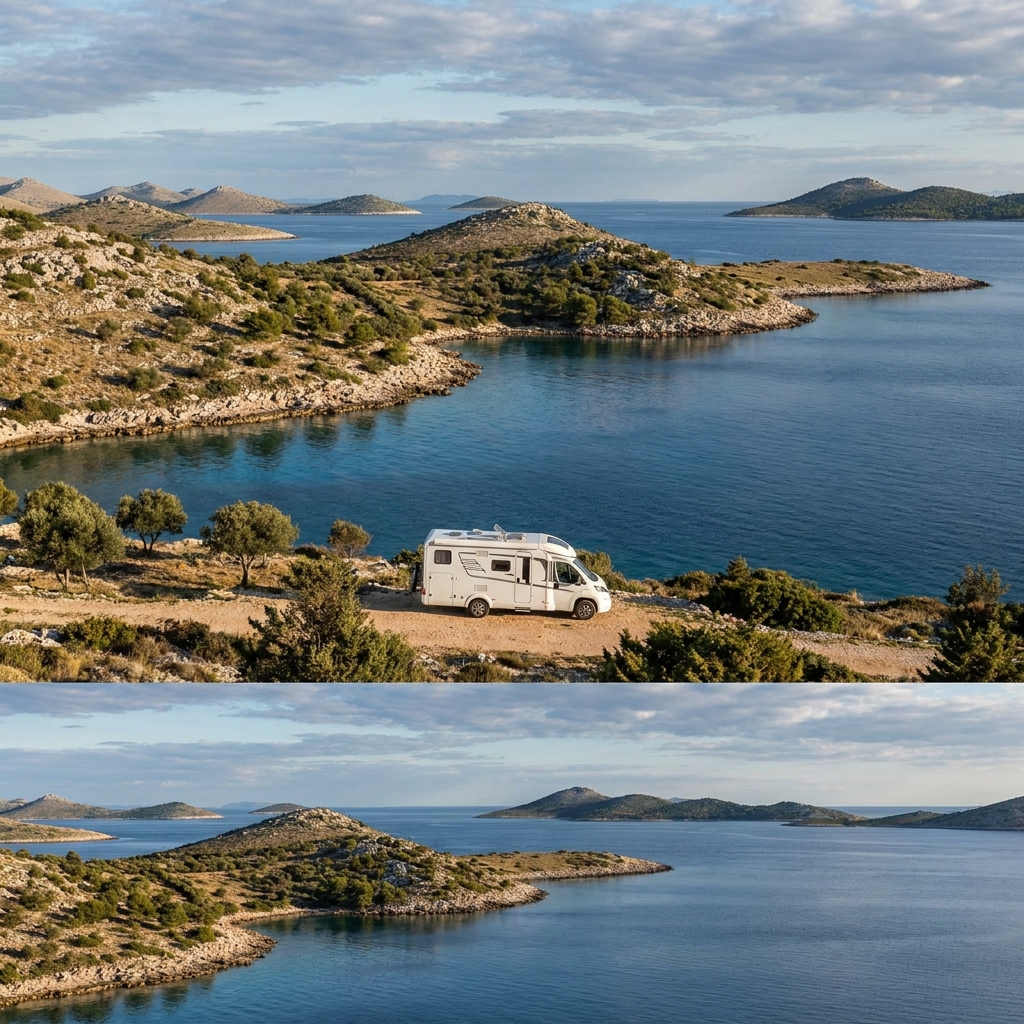
Kornati
This vast archipelago in the Adriatic Sea consists of dozens of uninhabited islands and reefs featuring a rugged, lunar landscape. From the coastal towns on the mainland, you can reach this limestone labyrinth by boat, where steep cliffs plunge vertically into the deep blue sea. The so-called 'crowns' of the islands form impressive natural formations facing the open sea. Beneath the water's surface lies a rich ecosystem, popular with snorkelers due to its crystal-clear visibility. On the dry islands, ancient dry-stacked walls adorn the rolling hills like a fine-meshed network. Small coves offer shelter to local fishermen's huts where time seems to have stood still. The contrast between the white rocks and the intense azure creates a unique visual experience in this protected nature reserve.
Stop 9
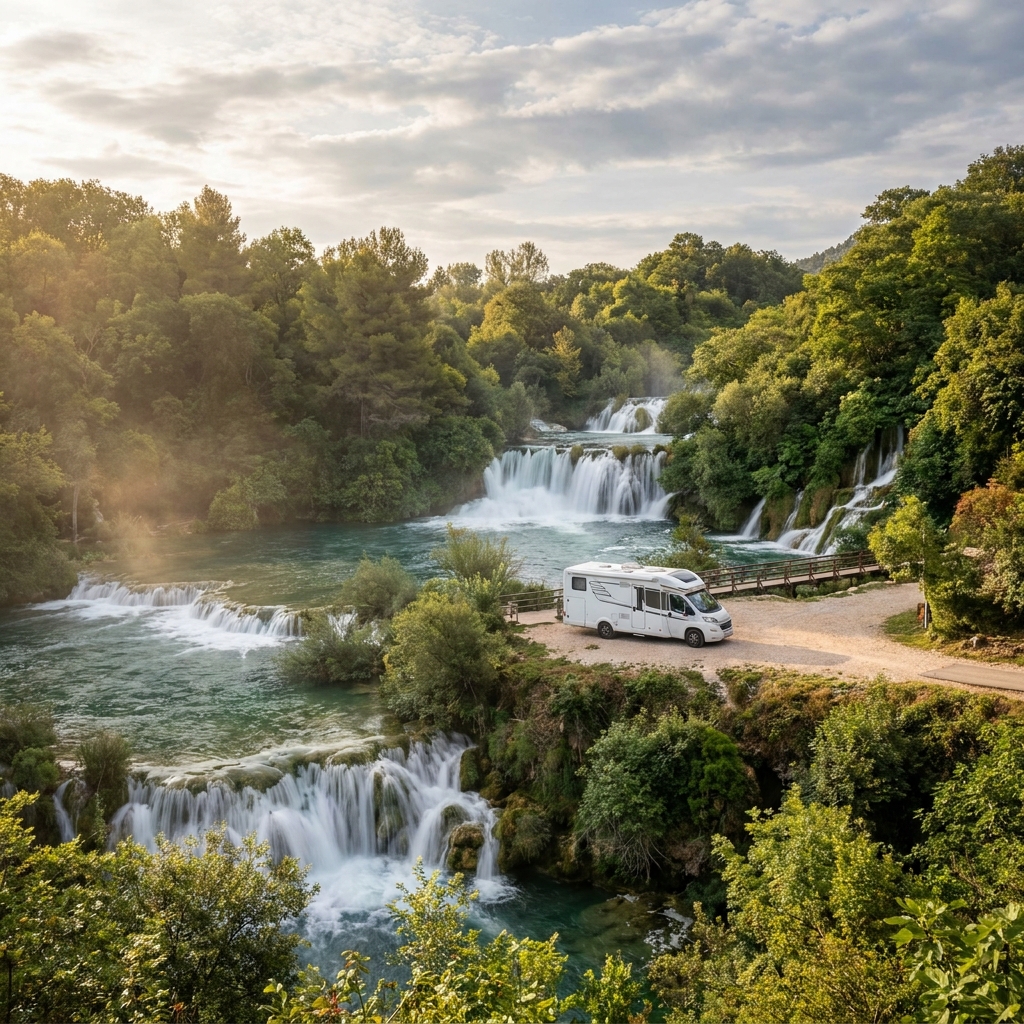
Krka National Park
Krka National Park is renowned for its impressive limestone plateaus, over which the Krka River flows powerfully. The most famous waterfall, Skradinski buk, forms a natural amphitheater of cascading streams surrounded by dense vegetation. Wooden boardwalks guide visitors past rapids and historic watermills that are still in operation. Further upstream, the serene monastery island of Visovac is situated in the middle of a vast lake. Near the Roški Slap waterfall, the gorge narrows, offering a wilder landscape with numerous small cascades. Boat tours connect the various parts of the park, providing views of the gorge's steep rock faces. The combination of crystal-clear water and lush flora makes a visit to this water-rich area a refreshing experience.
Stop 10
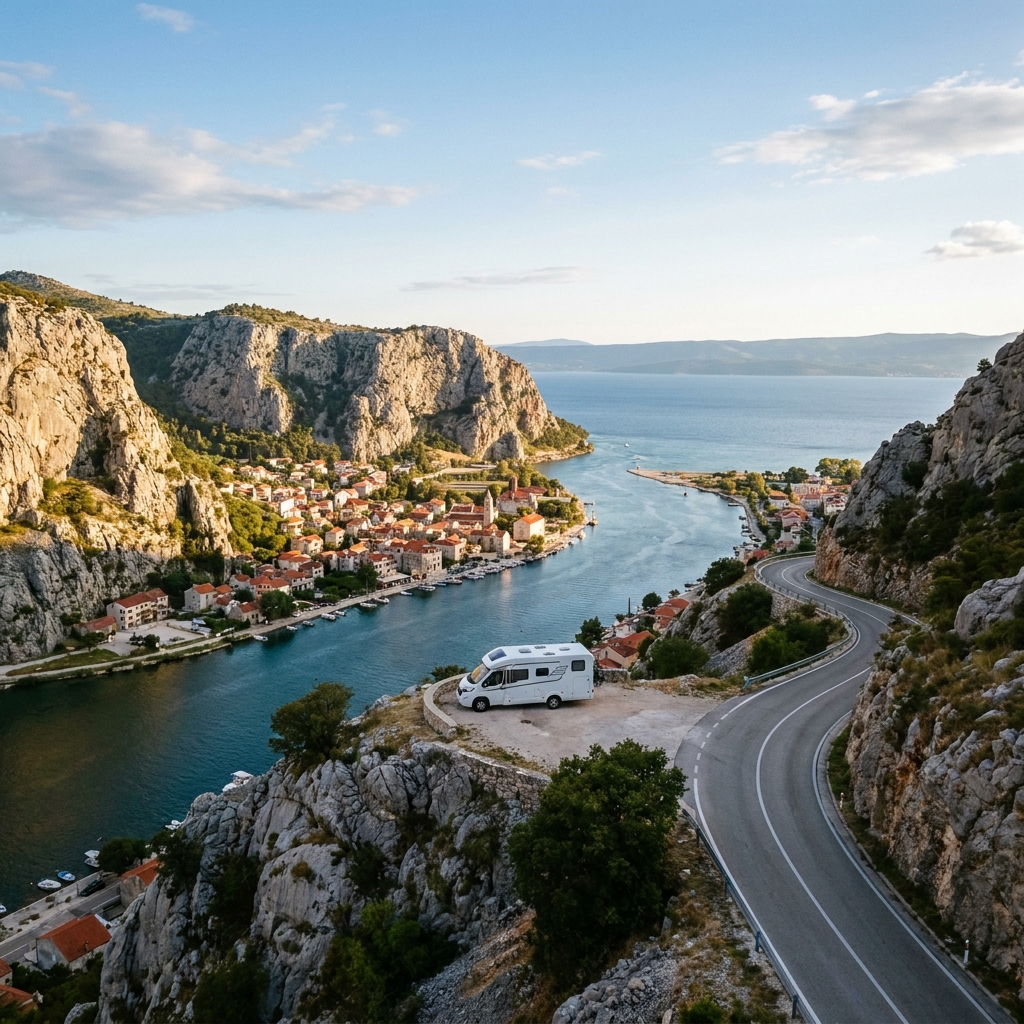
Omiš & Cetina
Omiš is situated where the emerald-green Cetina River flows through an impressive gorge into the Adriatic Sea. This former pirate town is surrounded by steep limestone cliffs that rise vertically from the water. Overlooking the old streets stands the medieval Mirabella Fortress, offering sweeping views over the rooftops and coastline. Active travelers venture upstream into the gorge for boat trips, rafting, or a walk along the forested banks. At the mouth of the river lies a wide sandy beach, a rarity along the rocky Dalmatian coast. The combination of rugged mountains, river water, and sea creates a unique microclimate and a spectacular backdrop. In the evenings, the historic core comes alive with narrow alleys steeped in maritime history.
Stop 11
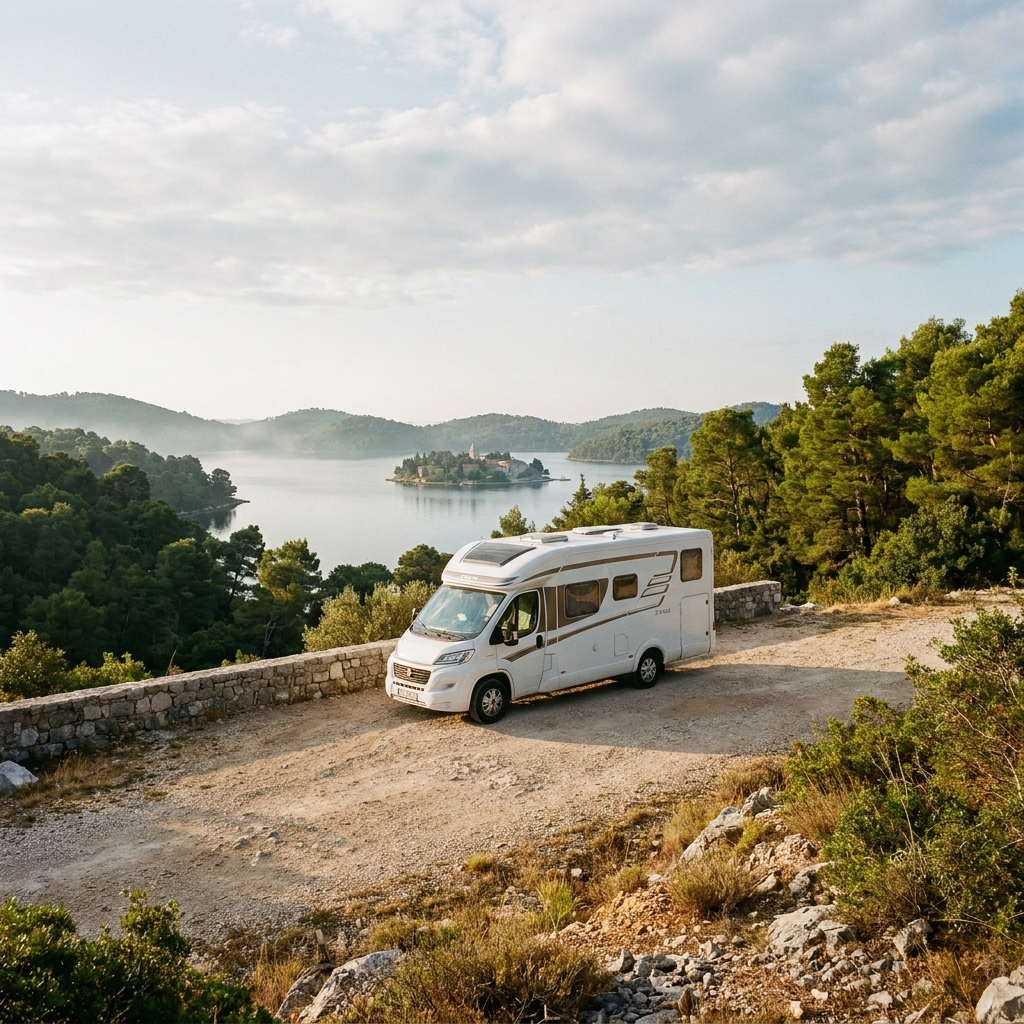
Mljet National Park
Mljet National Park covers the northwestern part of the island of the same name and is known for its dense forests and saltwater lakes. At the heart of the park are Veliko Jezero and Malo Jezero, two deep blue lakes connected to the sea by narrow channels. In the middle of the largest lake lies the islet of Sveta Marija, home to a former Benedictine monastery from the twelfth century. Visitors can hike or cycle along the shaded paths that wind along the waterfront. The crystal-clear water invites visitors to swim or kayak in a serene environment. The ferry crossing from the mainland makes arriving on this forested island a special experience. Peace and nature are central here, far away from the hustle and bustle of the larger Dalmatian cities. The combination of untouched vegetation and historical heritage makes a stay on this island unique.
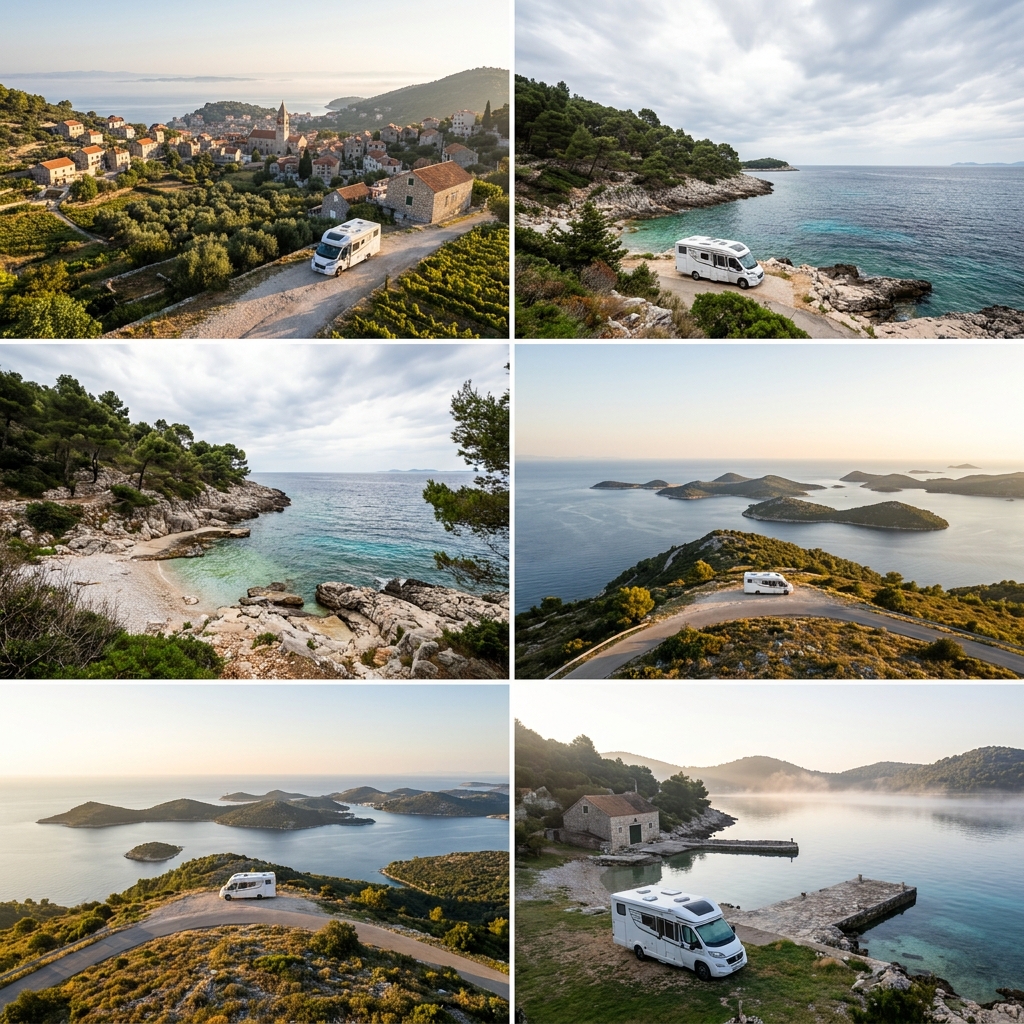
Stop 12
Lastovo
Lastovo is one of the most remote inhabited islands in the Adriatic Sea and is known for its pristine natural beauty. The island is largely designated as Lastovo Nature Park, which ensures the protection of its dense pine forests and rich underwater world. In the main village of Lastovo, you'll find characteristic stone houses with unique chimneys built into the hillside. From the Hum viewpoint, you have a panoramic view of the surrounding archipelago and the azure sea. The steep cliffs near the Struga lighthouse offer a spectacular backdrop for walks along the rugged coastline. Thanks to the low light pollution, this is an excellent spot to gaze at the clear night sky. Visitors find peace here in the sheltered bays of Skrivena Luka, where the water remains calm and crystal clear. Its remote location makes it an ideal destination for travelers who want to avoid the crowds of the larger Dalmatian islands.
Ready to hit the road?
We'll email you a personal travel proposal within 24 hours — motorhome, route and full cost overview included. Save €400–€800 on average vs. a travel agency.
No packages, no middlemen. Learn how it works
Camproads gave me a lot of inspiration for our campervan trip. The routes are beautiful, with a good balance of nature and city life, and the route generator made planning super easy. It's also really handy that there are so many good camping options at the locations, and that you can easily find the campervan that suits your needs and compare prices. This way, we can plan everything ourselves and book the campervan directly with the rental company. That's much cheaper than an organized trip!
Michiel van de Bunt
February 2026
What a difference from how I used to plan trips. Through Camproads, I put together a complete campervan trip in just a few minutes. It's so easy to use, and you can customize everything to your liking. The ability to choose your travel pace makes it even more enjoyable, especially now that we're traveling with a baby for the first time.
Alieke Zelhorst
February 2026